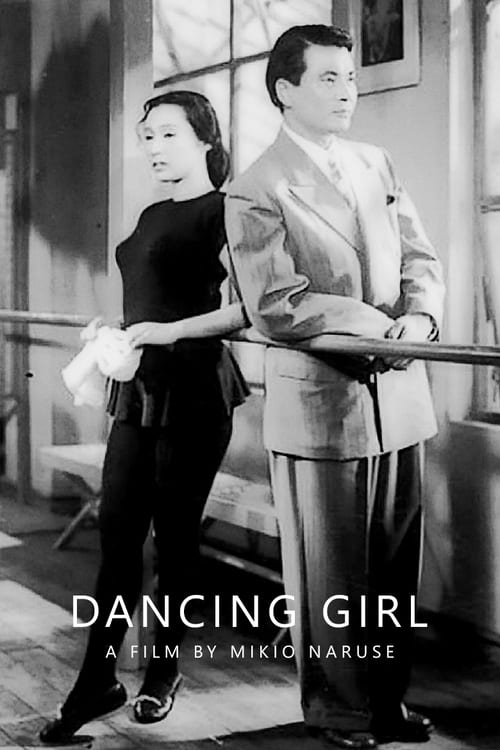
Dancing Girl
1951
No user ratings available yet
Representation score: 3.8 out of 10
Representation Score
Limited
1954
ApprovedDirector
Mikio Naruse
Runtime
96 minutes
Average Rating
No ratings yetNew Showbiz Analysis
Mikio Naruse’s drama excels in its sophisticated deconstruction of gendered domestic hierarchies. By emphasizing the psychological interiority of its female protagonist, the film challenges the era's expectations of submissive womanhood and stable patriarchal leadership. However, the work is limited by its narrow demographic scope. The absence of LGBTQ+ representation and the ethnically homogeneous cast reflect a traditional, culturally specific focus that lacks multi-layered breadth. Ultimately, the film is a deep, empathetic study of women's ability to drive the story within restrictive social landscapes, even as it remains confined to a conventional mid-century social framework.
Category Breakdown
The film follows a traditional mid-century domestic setting where romantic relationships are strictly between men and women, with no indication of LGBTQ+ identities or stories.
The story focuses on Shizuko's emotional isolation and her significant role in driving the plot. By showing the husband as cold and distant, the film challenges the stereotype of the submissive wife.
Set in post-war Japan, the cast is ethnically uniform. The film serves as a culturally specific study rather than an ensemble piece with diverse casting.
The film provides a nuanced look at social propriety and the family unit. It examines the loneliness of traditional structures through a lens of moral ambiguity and empathy.
There are no visible or invisible disabilities shown. Characters are depicted within the normal range of physical and neurotypical functioning.
Present on Screen
Limited or Absent
Official Synopsis
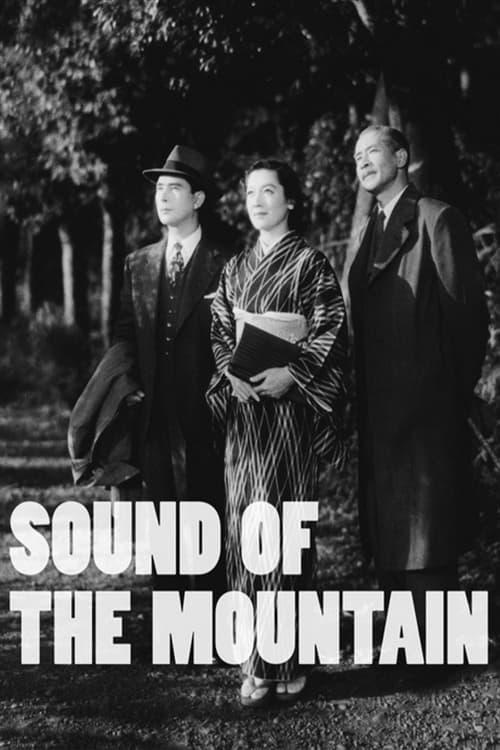
An ingratiating bride develops warm ties to her father-in-law while her cold husband blithely slights her for another woman.
1951
1952
1953

1960
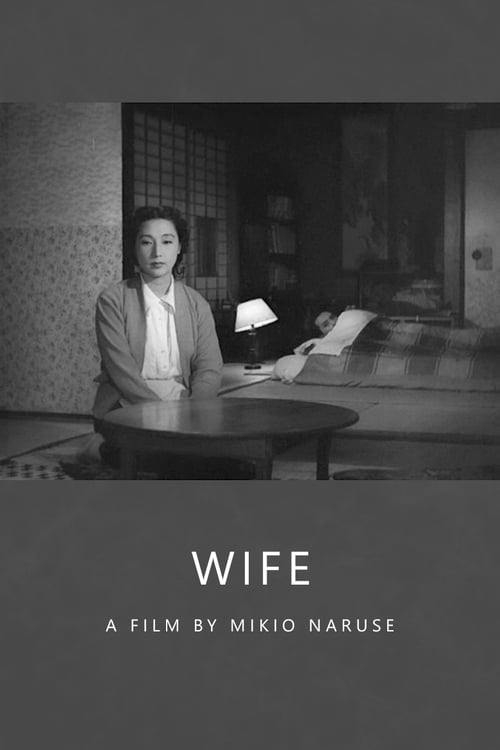
1953
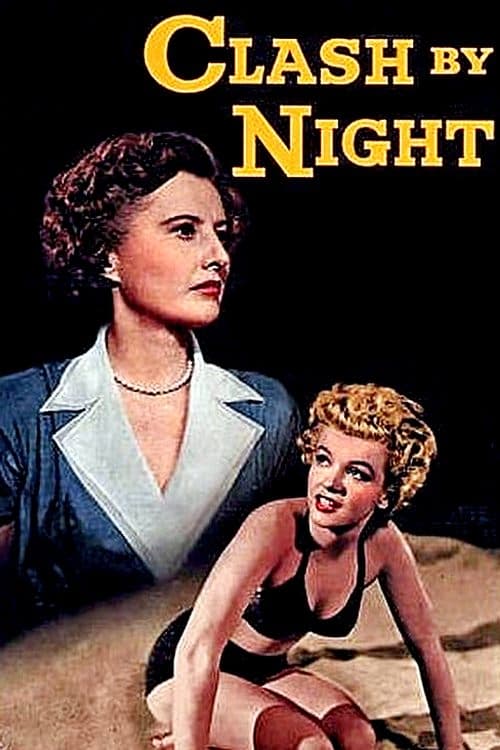
1952
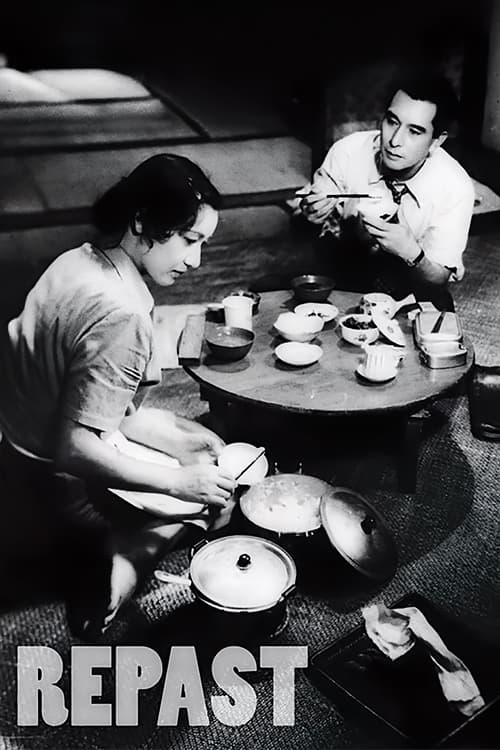
1951
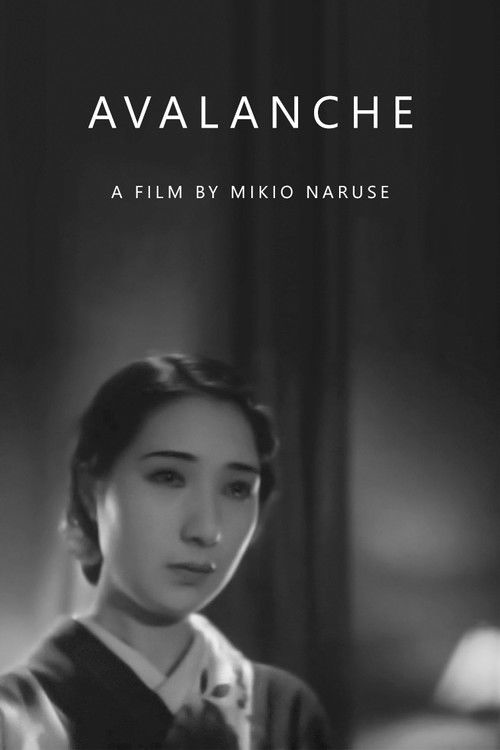
1937
No reviews yet. Be the first to share your thoughts on this movie!
Use the rating form above to leave a star rating and optional review.