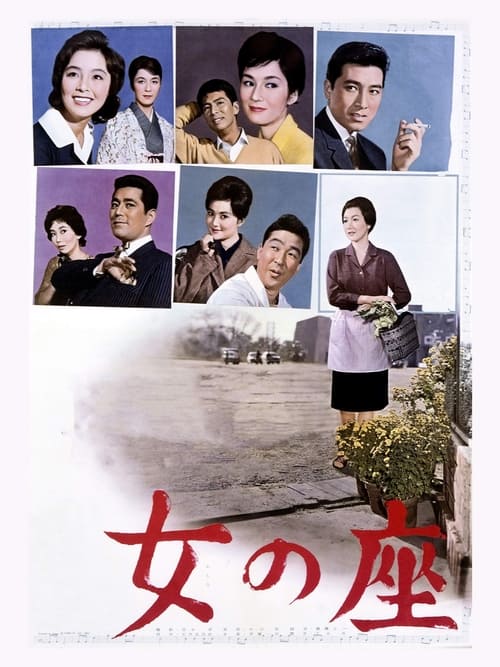
The Wiser Age
1962
No user ratings available yet
Representation score: 5.1 out of 10
Representation Score
Fair
1960
Director
Mikio Naruse
Runtime
123 minutes
Average Rating
No ratings yetNew Showbiz Analysis
Mikio Naruse’s direction provides a sophisticated deconstruction of traditional gender roles. By centering on a widow navigating her own economic autonomy, the film challenges the stereotype of the passive female victim. It offers a nuanced look at the emotional labor required of women in a restrictive society. While the film lacks modern multi-layered markers, it excels in its portrayal of women's ability to drive the story. The protagonist’s struggle against systemic familial expectations provides a deep, realistic look at personal autonomy versus institutional dogma. However, the film remains firmly rooted in the social standards of its era. It lacks LGBTQ+ representation and does not feature multi-ethnic casting, focusing instead on a singular, culturally specific Japanese experience.
Category Breakdown
The film follows the social standards of 1960s Japan, which assume everyone is straight and cisgender. There is no indication of non-binary gender identities or same-sex relationships in the story.
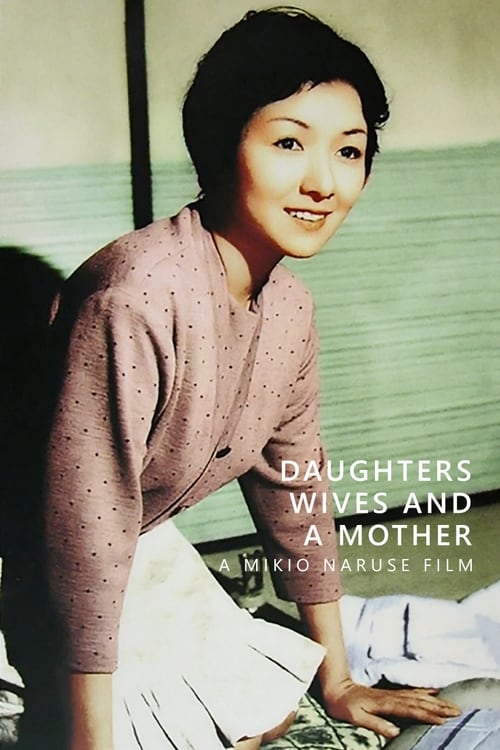
The narrative focuses on the experiences of women, particularly as daughters, wives, and mothers. It highlights how women take control and manage their financial independence within a patriarchal society.
This work offers an authentic look into a specific Japanese cultural environment. It avoids Western norms by presenting a domestic reality independent of Anglo-centric viewpoints.
The film explores the complexities of family life and changing social dynamics in post-war Japan. It critiques the rigidity of traditional institutions and conservative social orders.
There is no evidence of characters with visible or invisible disabilities playing a central role in the narrative.
Present on Screen
Limited or Absent
Official Synopsis
Sanae is left a widow after her prestigious husband dies, but holds the proceeds of a million yen insurance policy. Being childless, her former in-laws have no objection to her return to her own family.
1962
1961
1952
1962
1957
1963
1954
1960
No reviews yet. Be the first to share your thoughts on this movie!
Use the rating form above to leave a star rating and optional review.