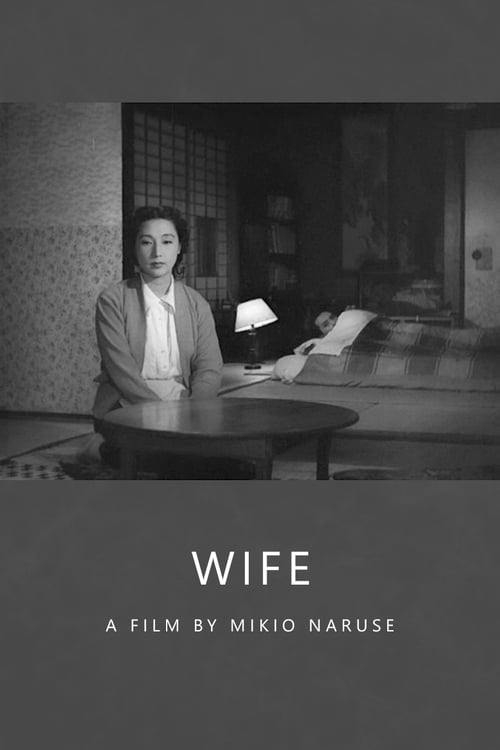
Wife
1953
No user ratings available yet
Representation score: 3.9 out of 10
Representation Score
Fair
1951
Director
Mikio Naruse
Runtime
97 minutes
Average Rating
No ratings yetNew Showbiz Analysis
Mikio Naruse employs social realism to challenge the era's conventional views on feminine roles. By focusing on the 'Naruse woman,' the film critiques the domestic constraints of post-war Japan through a lens of emotional resignation. Though the film does not explicitly address identity politics or feature diverse casting, its narrative structure is progressive. It redefines the domestic sphere as a place of struggle rather than a sanctuary of fulfillment. Ultimately, the film's strength lies in its nuanced exploration of systemic social pressures and the psychological burden of traditional marital structures.
Category Breakdown
The film focuses on traditional romantic relationships and does not include any same-sex intimacy or non-cisgender identities.
Michiyo's unhappiness challenges the idea of domestic bliss by showing the emotional strain of repetitive labor. The film highlights the psychological impact of traditional gender roles and limited women's ability to drive the story.
The cast is primarily Japanese, reflecting the cultural context of the film. It provides a unique non-Western perspective on domestic life and societal challenges.
The narrative delves into personal morality and dignity in the face of economic hardship. It avoids idealized moral stories, focusing instead on the systemic pressures of post-war society.
There is no significant depiction of visible or invisible disabilities in this film.
Present on Screen
Limited or Absent
Official Synopsis
In post-WWII Osaka, a middle-aged woman is forced to examine her dreary life and marriage when her husband's young and flirtatious cousin arrives for a brief stay to escape an arranged marriage.
1953

1951
1954

1952
1958
1951

1957
1952
No reviews yet. Be the first to share your thoughts on this movie!
Use the rating form above to leave a star rating and optional review.