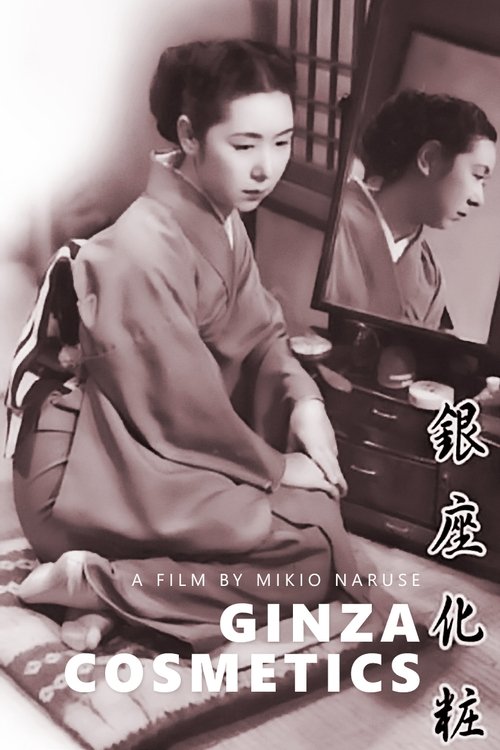
Ginza Cosmetics
1951
No user ratings available yet
Representation score: 5.2 out of 10
Representation Score
Fair
1933
Director
Mikio Naruse
Runtime
65 minutes
Average Rating
No ratings yetNew Showbiz Analysis
Mikio Naruse’s drama centers on the economic and social pressures faced by women in Depression-era Tokyo. By focusing on a single mother, the film highlights female resilience and survival in a challenging environment. The film provides an authentic depiction of its time and place, avoiding idealized domesticity and instead examining the systemic failures that affect underrepresented individuals and broken families. However, the narrative remains confined to traditional family dynamics, lacking diverse identities or representations of disability, which limits the scope of its social critique.
Category Breakdown
The story does not include any explicit references to LGBTQ+ identities or themes. It focuses on a fractured nuclear family unit.
A single mother serves as the primary provider and emotional anchor, disrupting traditional patriarchal hierarchies by highlighting her resilience against male abandonment.
The film portrays a culturally homogeneous Japanese society, offering an authentic glimpse into 1930s Tokyo without Western-centric viewpoints.
The story examines the fragility of traditional family structures during the Depression era. It critiques socio-economic systems through the lens of single parenthood.
There is no evidence of physical or neurodivergent disabilities being portrayed in this work.
Present on Screen
Limited or Absent
Official Synopsis
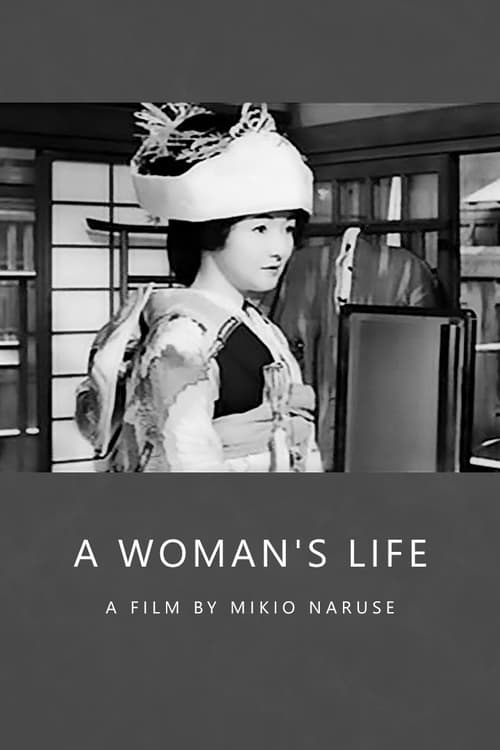
In Depression-era Tokyo, the life of a single mother and her young son are disrupted by the return of her ex-husband, who fathered the child and walked out on her years earlier.
1951
1936
1960
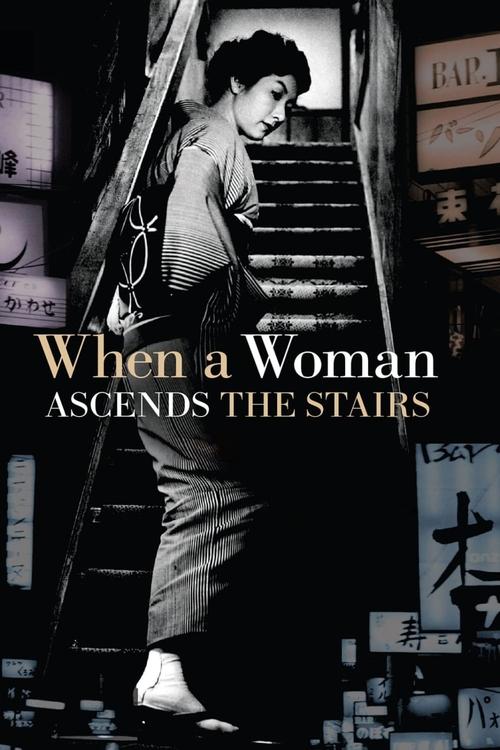
1960
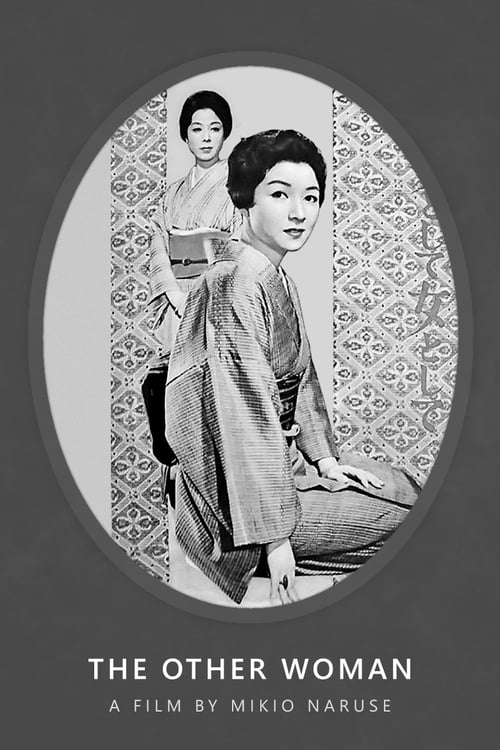
1961
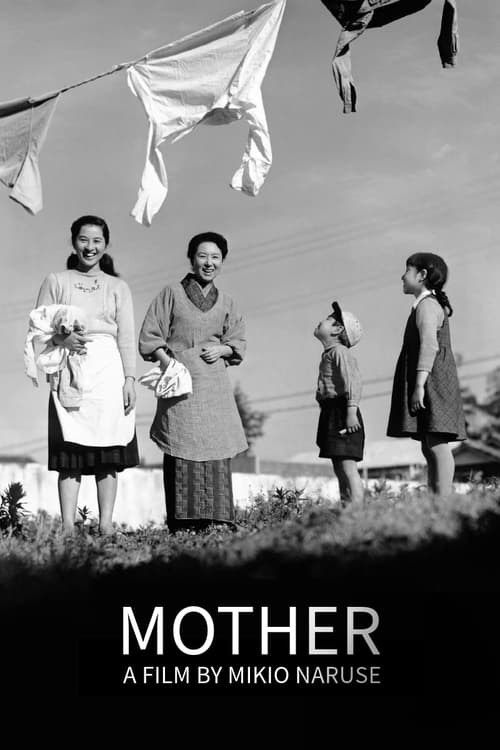
1952
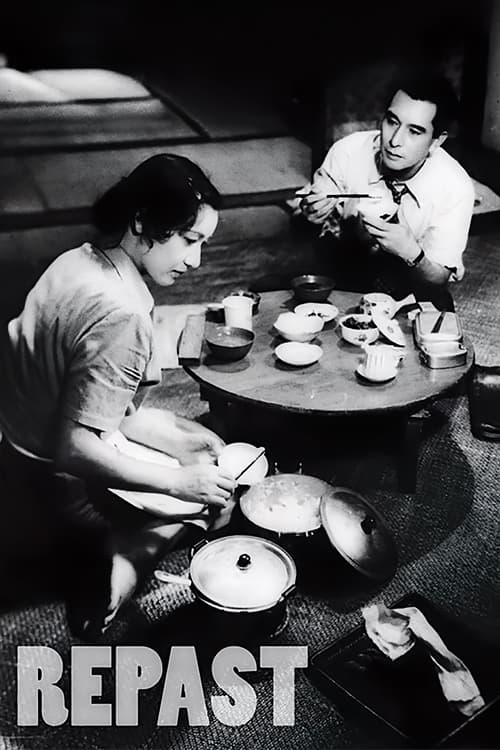
1951
1963
No reviews yet. Be the first to share your thoughts on this movie!
Use the rating form above to leave a star rating and optional review.