
A Wife's Heart
1956
No user ratings available yet
Diversity score: 5.1 out of 10
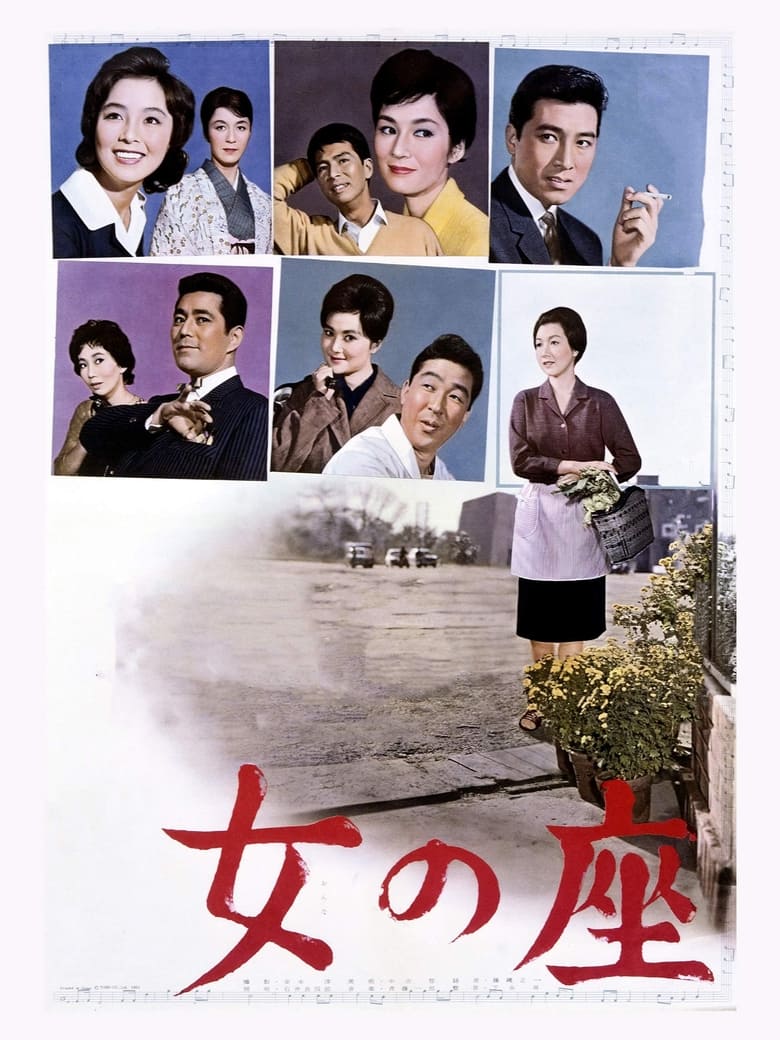
1962
Director
Mikio Naruse
Runtime
111 minutes
Average Rating
No ratings yetSynopsis
Drama about the lives of the five daughters and daughter-in-law of a store owner.
Overall Score
Fair
Category Breakdown
LGBTQ+ Representation
The film operates within a traditional domestic framework. There is no explicit evidence of non-heteronormative identities or same-sex intimacy.
Gender Representation
The narrative disrupts patriarchal storytelling by centering its weight on women. It prioritizes the internal lives and social navigations of five daughters and a daughter-in-law.
Racial & Ethnic Diversity
As a 1962 Japanese production, the cast is ethnically homogeneous. It serves as a culturally specific study rather than an intersectional racial variety.
Religious & Cultural Diversity
The story explores the friction between individual desire and societal expectations. It critiques the economic pressures inherent in mid-century Japanese capitalism and family structures.
Disability Representation
There is insufficient information to determine if characters with disabilities are present or how they are portrayed.
Strengths
Areas for Improvement
AI Analysis
Mikio Naruse’s drama functions as a gender-centric ensemble piece. By focusing on the lives of five daughters and a daughter-in-law, the film shifts the perspective away from male-driven plotlines to explore female interpersonal dynamics. The work succeeds in elevating domestic female experiences to the level of central drama. This structure challenges the tendency to relegate women to the periphery of the narrative. However, the film remains limited by its historical context. It lacks racial variety and shows no evidence of LGBTQ+ representation, operating instead within the traditional social frameworks of 1962 Japan.
1956

1960

1951
1951

1933
1956

1960

1960
1954

1963

1958

1954
No reviews yet. Be the first to share your thoughts on this movie!
Use the rating form above to leave a star rating and optional review.