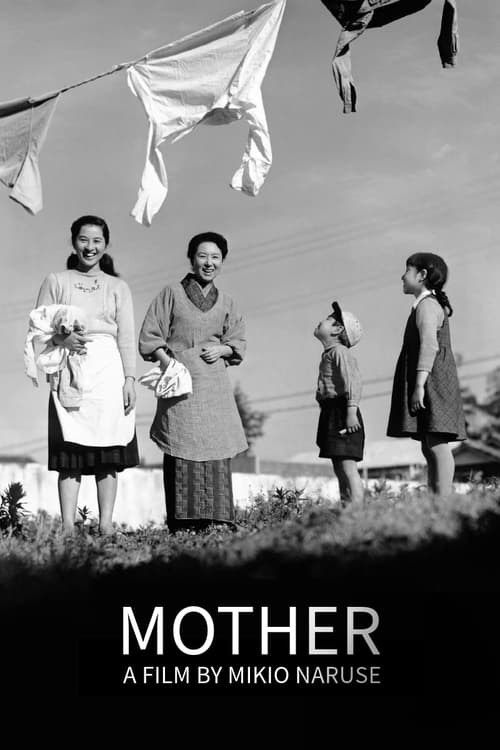
Mother
1952
No user ratings available yet
Representation score: 3.9 out of 10
Representation Score
Fair
1960
Director
Mikio Naruse
Runtime
79 minutes
Average Rating
No ratings yetNew Showbiz Analysis
Mikio Naruse’s work excels in its nuanced exploration of domesticity and the resilience of economically vulnerable characters. The film's strength lies in its subversion of idealized domestic structures, focusing instead on the labor and emotional complexity of survival. While the film lacks explicit LGBTQ+ or multi-ethnic representation, it provides a powerful deconstruction of gender roles. The protagonist's active role in navigating the shift from rural life to Tokyo's economic systems offers a grounded, realistic perspective on womanhood. Ultimately, the film serves as a significant piece of social realism. It prioritizes the internal lives of economically disadvantaged individuals facing systemic changes rather than relying on traditional cinematic formulas.
Category Breakdown
The movie focuses on traditional family structures, including a mother, uncle, and child. There are no LGBTQ+ characters or non-straight relationships shown in the plot.
The film centers around a female protagonist who drives the plot through her economic independence. By showing a single mother running a business and raising a child, it challenges traditional patriarchal structures.
The film depicts a culturally uniform Japanese society typical of its time. It offers a deep look at local social layers rather than diverse racial backgrounds.
The story provides a sophisticated critique of urban capitalism and the fragility of family units. It favors a secular, realist worldview over moralistic or religious clichés.
The film does not contain any information regarding characters with physical or neurodivergent disabilities.
Present on Screen
Limited or Absent
Official Synopsis
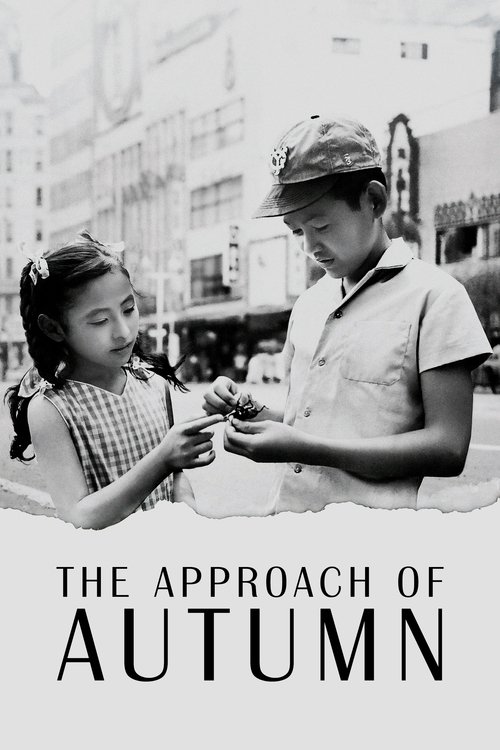
A single mother from the country raising a 6th grade boy comes to Tokyo, leaves the boy to live with his uncle's family, runs a struggling grocery store, and works a local inn. The boy befriends a girl, the daughter of the innkeeper.
1952
1936
1951

1960
1962
1933

1958
1961
No reviews yet. Be the first to share your thoughts on this movie!
Use the rating form above to leave a star rating and optional review.