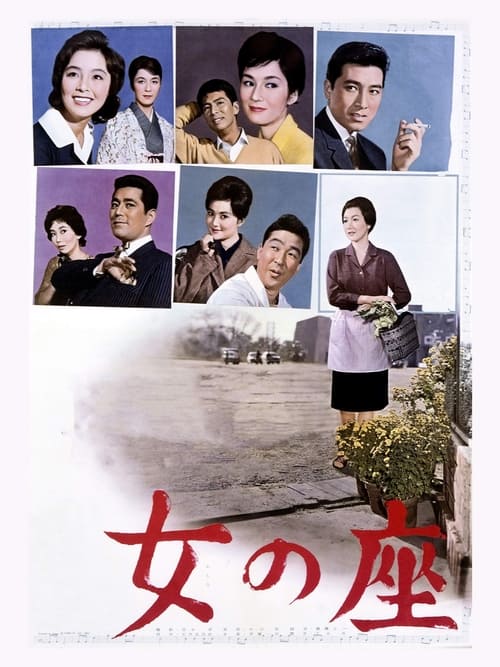
The Wiser Age
1962
No user ratings available yet
Representation score: 5.1 out of 10
Representation Score
Fair
1947
Director
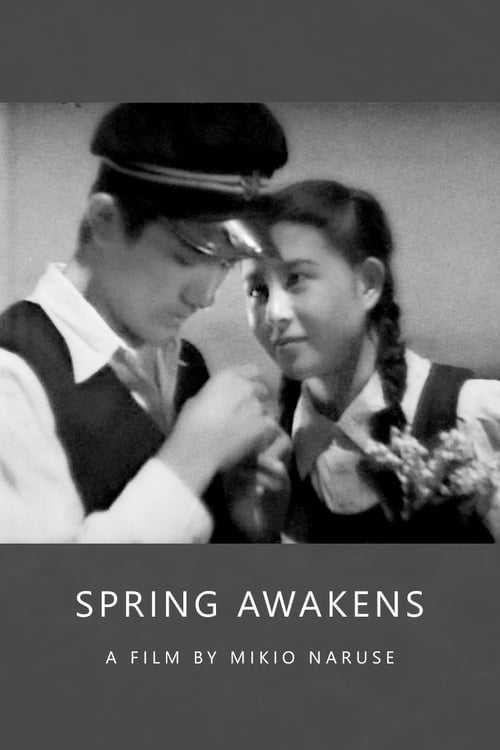
Mikio Naruse
Runtime
89 minutes
Average Rating
No ratings yetNew Showbiz Analysis
Mikio Naruse’s direction elevates this slice-of-life drama by centering female interiority. Rather than relying on grand political gestures, the film finds its power in the meticulous depiction of women navigating rigid societal structures. The film excels in its authentic cultural setting and its refusal to treat women as mere background figures. By focusing on the psychological depth of its female protagonists, it challenges traditional male-centric cinematic gazes. However, the film remains limited by the era's norms, lacking LGBTQ+ representation and multi-layered breadth. It functions as a nuanced critique of post-war social constraints rather than a modern, diverse tapestry.
Category Breakdown
The film adheres to the social constraints of 1947 Japan and does not include any explicit evidence of queer narratives or non-straight identities.
Naruse prioritizes female perspectives, exploring the resilience of women within a patriarchal framework. The narrative positions women as the primary drivers of the emotional landscape.
The film features a culturally homogenous Japanese cast, providing an authentic and immersive portrayal of life in the post-war period.
The story explores the friction between individual desire and traditional social institutions. It depicts the domestic sphere as a site of complex struggle.
There is no documented evidence regarding the portrayal of physical or neurodivergent disabilities in this film.
Present on Screen
Limited or Absent
Official Synopsis
Slice of life film centered on a couple of years in the life of a rural high school girl.
1962
1951
1960
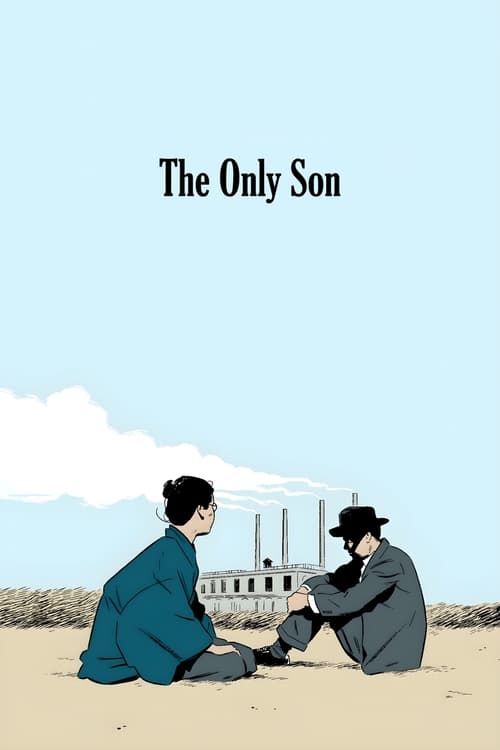
1936
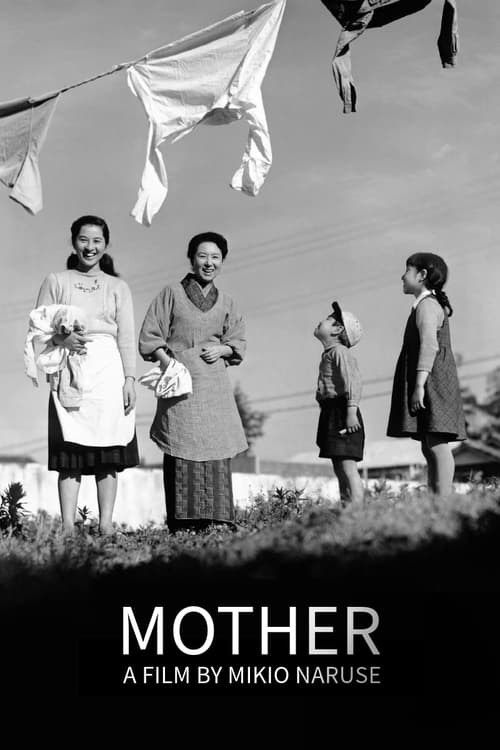
1952
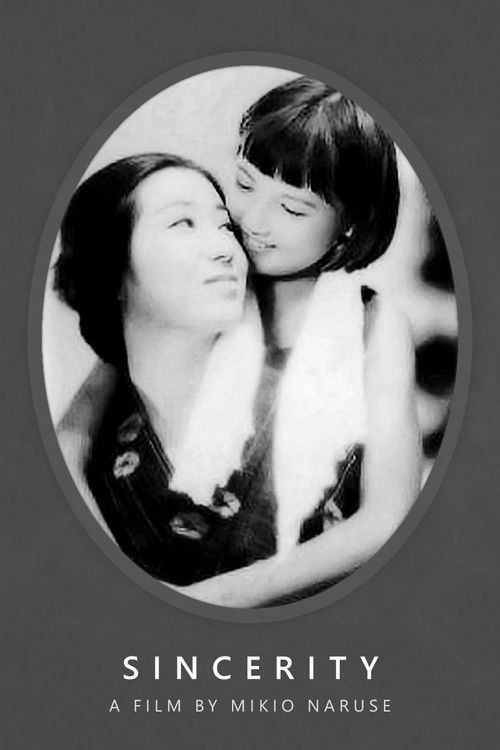
1939

1958
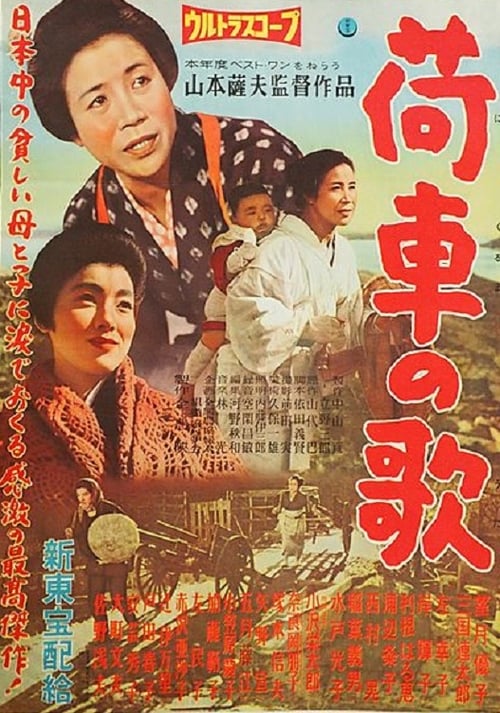
1959
No reviews yet. Be the first to share your thoughts on this movie!
Use the rating form above to leave a star rating and optional review.