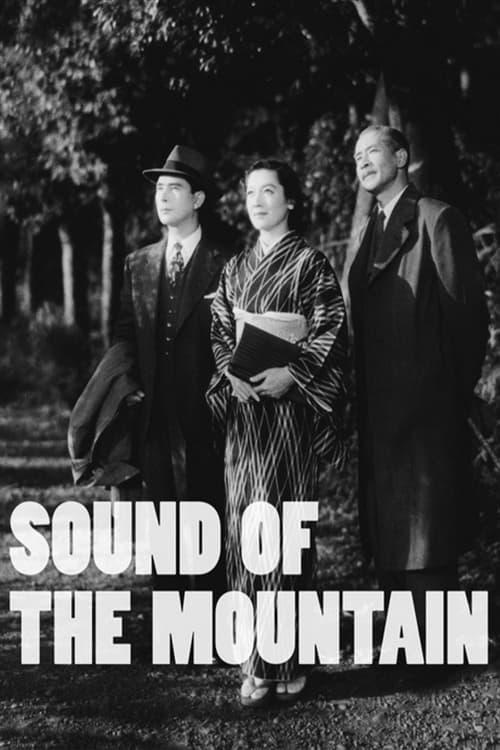
Sound of the Mountain
1954
No user ratings available yet
Representation score: 3.8 out of 10
Representation Score
Limited
1963
Director
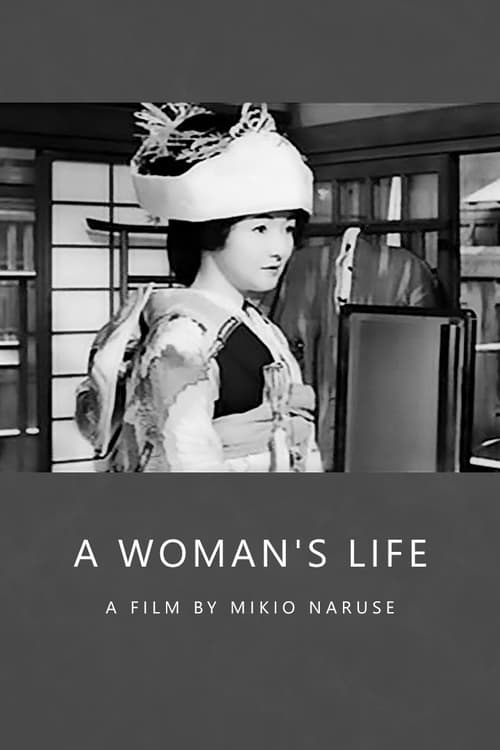
Mikio Naruse
Runtime
126 minutes
Average Rating
No ratings yetNew Showbiz Analysis
Mikio Naruse’s drama is a sophisticated study of individual endurance within a restrictive patriarchal society. While the film lacks demographic variety, it excels in its deep, psychological exploration of female resilience and domestic realism. The film’s strength lies in its ability to challenge traditional hierarchies through the protagonist’s quiet resilience. It moves beyond simple clichés to examine the friction between personal ability to act and systemic expectations. However, the narrative remains limited by its historical context, offering no representation for LGBTQ+ identities or disabilities. It is a culturally specific work that prioritizes domestic social class over broader demographic diversity.
Category Breakdown
The film follows a traditional framework that assumes everyone is straight or cisgender. There are no same-sex romantic relationships or non-traditional gender identities shown.
The story focuses on Shizuko, who defies the stereotype of a submissive wife through her psychological strength. It provides a detailed look at gendered power dynamics and emotional labor.
The cast reflects the historical Japanese context, with a homogeneous cultural background. It offers an authentic exploration of social class and identity during a period of cultural change.
The story critiques traditional institutions by showing the breakdown of the family unit. It highlights tensions between traditional values and modernized post-war social structures.
There are no prominent depictions of physical or neurodivergent disabilities within the main storyline.
Present on Screen
Limited or Absent
Official Synopsis
A woman remembers her own marriage when dealing with the love life of her son.
1954

1962
1962
1961
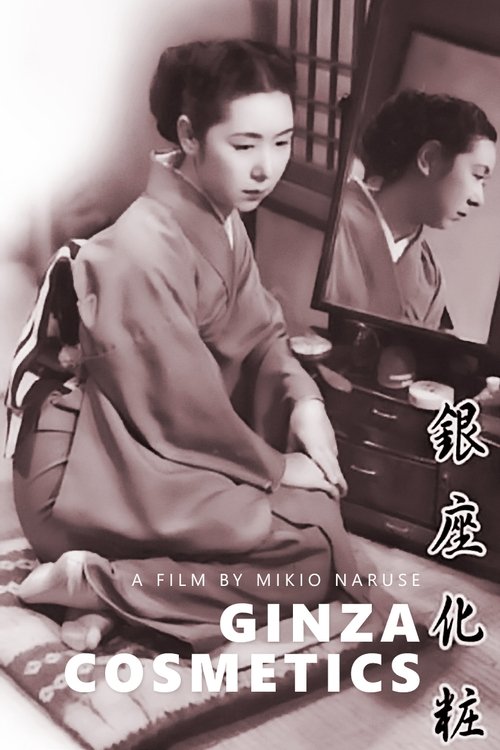
1951
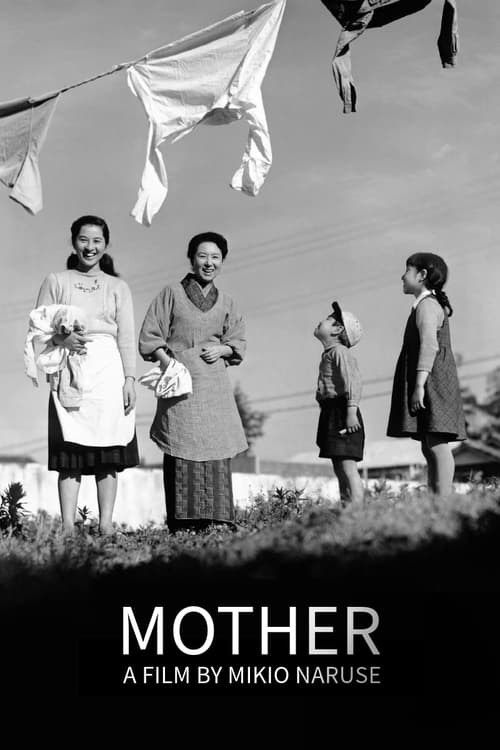
1952
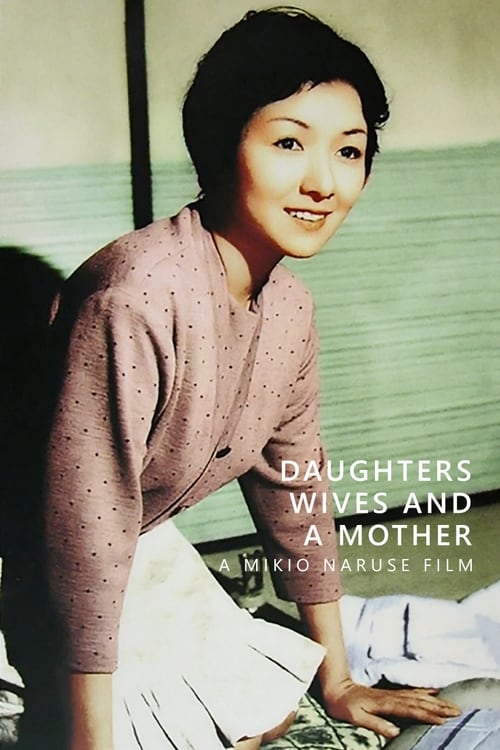
1960
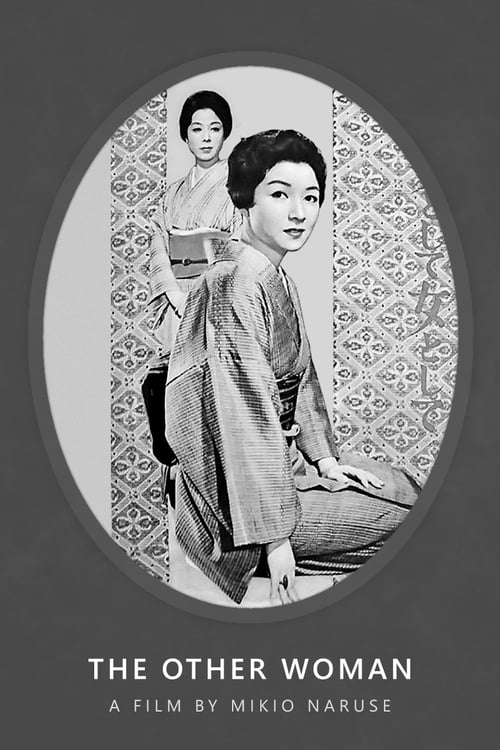
1961
No reviews yet. Be the first to share your thoughts on this movie!
Use the rating form above to leave a star rating and optional review.