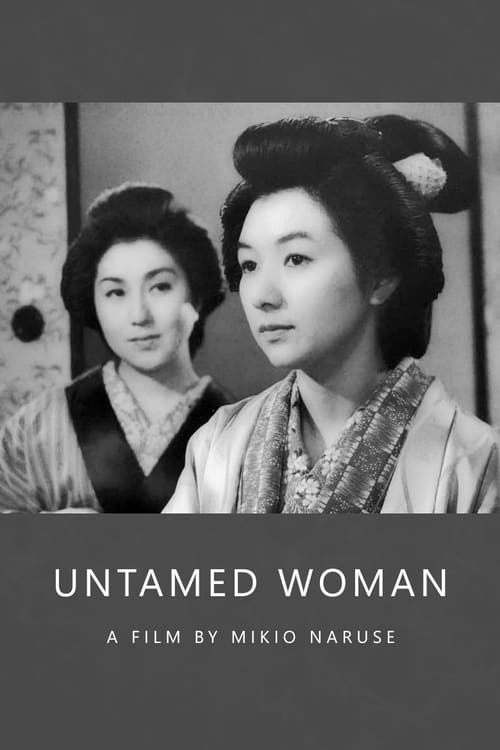
Untamed Woman
1957
No user ratings available yet
Representation score: 7.1 out of 10
Representation Score
Limited
1958
Director
Mikio Naruse
Runtime
109 minutes
Average Rating
No ratings yetNew Showbiz Analysis
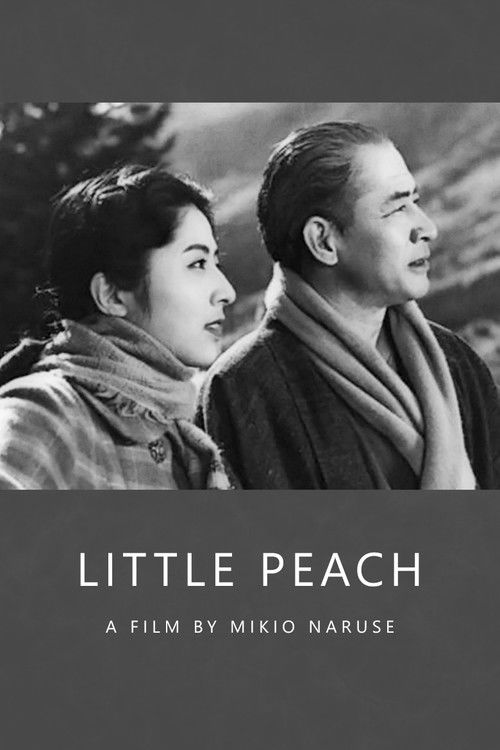
Mikio Naruse’s *Little Peach* is a nuanced exploration of psychological realism that challenges the notion of domestic bliss. By focusing on the erosion of women’s autonomy and the societal constraints of the time, the film provides a critical perspective on gendered social hierarchies. Though the film does not include contemporary markers such as LGBTQ+ representation or diverse casting, it offers a profound critique of gender roles and the traditional family structure. It avoids portraying the male provider as a symbol of strength, instead presenting the home as a complex environment of weariness.
Category Breakdown
The film adheres to a mid-century domestic realist style without depicting non-straight or non-cisgender identities or challenging the assumption that everyone is straight.
The film highlights the emotional and psychological struggles faced by women under patriarchal structures. It shows how Anzukko transitions from taking an active role to becoming resigned.
The cast is culturally homogeneous, reflecting the demographics of 1958 Japan. The film stays true to its time period without using Western actors.
The story challenges the idea of the traditional family as a stable institution. Instead, it portrays the home as a place of conflict, dissatisfaction, and financial strain.
There is no significant depiction of physical or cognitive disabilities in the film.
Present on Screen
Limited or Absent
Official Synopsis
Anzukko (Little Peach) is the daughter of a successful writer. She turns down each one of her suitors, until she marries a beginning writer named Ryokichi. Their life quickly sinks into despair.
1957

1951
1951

1960

1952
1954
1951
1951
No reviews yet. Be the first to share your thoughts on this movie!
Use the rating form above to leave a star rating and optional review.