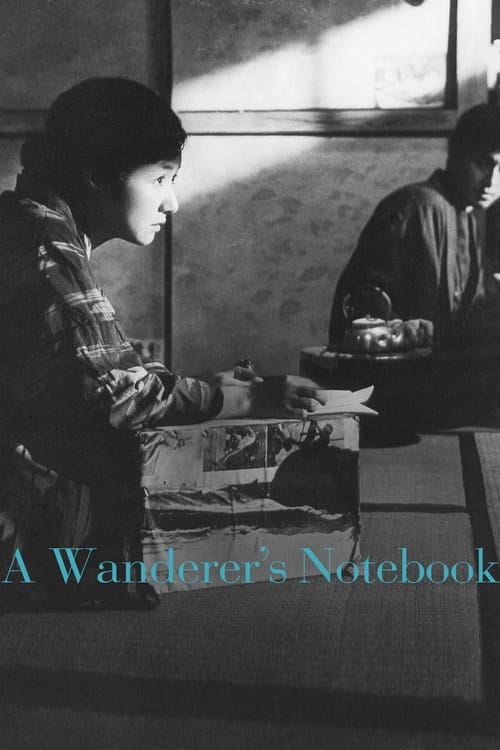
A Wanderer's Notebook
1962
No user ratings available yet
Diversity score: 6.2 out of 10
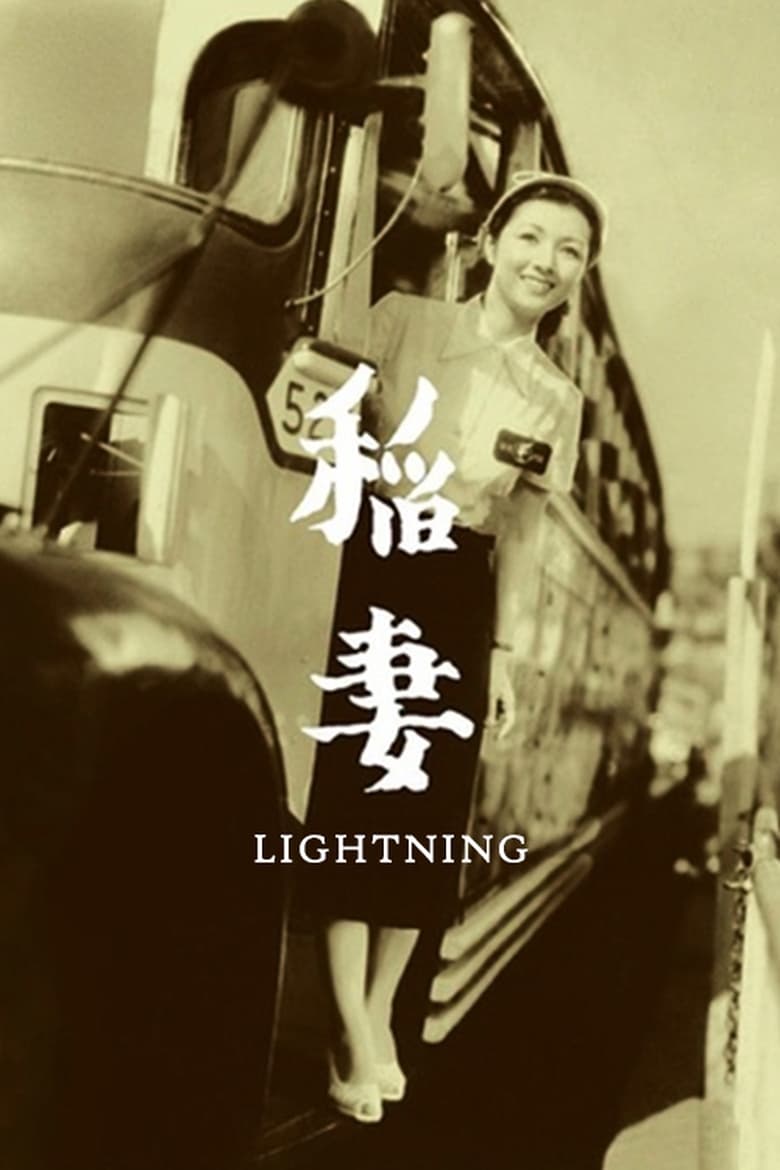
1952
Director
Mikio Naruse
Runtime
87 minutes
Average Rating
No ratings yetSynopsis
The story of Kiyoko, a young woman who has successfully managed to make a break with her dysfunctional family who have been trying to arrange a marriage for her with a disagreeable man whom she has rejected.
Overall Score
Good
Category Breakdown
LGBTQ+ Representation
The film operates within a realist framework focused on heteronormative social pressures. It does not feature explicit LGBTQ+ identities or narratives.
Gender Representation
The narrative centers on Kiyoko, a woman who actively rejects an arranged marriage to challenge patriarchal control. Her intellect and resilience serve as the primary drivers of the plot.
Racial & Ethnic Diversity
The production maintains a culturally authentic Japanese cast and setting. This commitment to social realism provides a high degree of cultural integrity and a non-Western perspective.
Religious & Cultural Diversity
The film offers a nuanced critique of conservative Japanese social institutions. It frames the family unit as a source of dysfunction rather than a moral compass.
Disability Representation
There are no prominent depictions of visible or invisible disabilities that serve as central narrative drivers.
Strengths
Areas for Improvement
AI Analysis
Mikio Naruse’s *Lightning* is a sophisticated study of female agency within the restrictive social landscape of post-war Japan. By centering the story on a woman’s rejection of an arranged marriage, the film subverts traditional patriarchal hierarchies and deconstructs the idealized family unit. The film excels in its portrayal of the 'Naruse heroine,' using her emotional resilience to navigate systemic social obligations. While the cast is ethnically homogeneous, the work maintains deep cultural integrity through its authentic social realism. However, the narrative remains strictly within a heteronormative framework. It lacks representation of LGBTQ+ identities or characters with disabilities, focusing instead on the specific domestic struggles of its female protagonist.
1962
1963

1958
1953
1960
1954
1960
1958
1956
1947

1935
1957
No reviews yet. Be the first to share your thoughts on this movie!
Use the rating form above to leave a star rating and optional review.