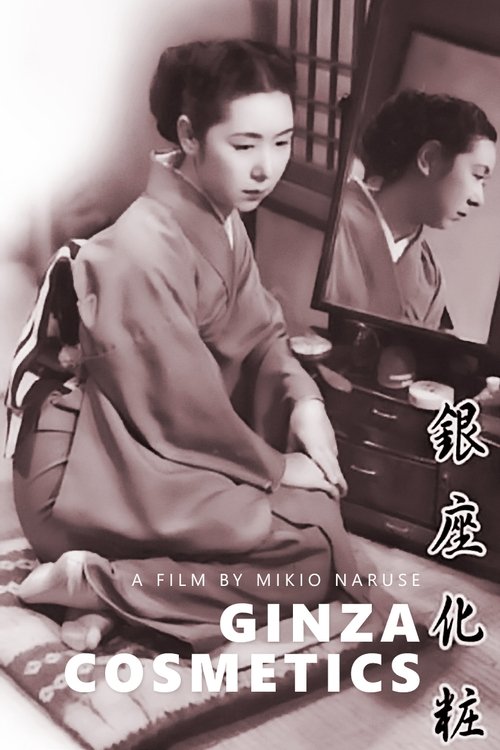
Ginza Cosmetics
1951
No user ratings available yet
Representation score: 5.2 out of 10
Representation Score
Good
1959
Director
Mikio Naruse
Runtime
126 minutes
Average Rating
No ratings yetNew Showbiz Analysis
Mikio Naruse’s work disrupts conventional mid-century Japanese cinema by focusing on those at the periphery of social hierarchies. The film’s primary strength lies in its exploration of the struggles of the Ainu people. While the film adheres to the era's social constraints regarding sexuality, it excels in portraying the emotional lives of women and the systemic oppression of the Ainu. It avoids a monolithic view of society, instead highlighting how identity and ethnicity influence social standing. However, the film remains limited by the period's social norms, offering no representation of LGBTQ+ identities or disability. Its impact is rooted in social realism and the critique of systemic ethnic oppression.
Category Breakdown
The film does not include any explicit LGBTQ+ characters or identities that challenge the assumption that everyone is straight. It stays within the social norms of 1950s Japan without showing any queer subtext.
The film focuses on the internal lives and emotional experiences of women. By centering female protagonists, it positions them as key drivers of the emotional story rather than passive observers.
The film offers a deep exploration of the Ainu, Japan's indigenous people. It highlights their systemic oppression and challenges the idea of a homogeneous post-war Japanese national identity.
The story critiques systemic power dynamics by focusing on the underrepresented state of the Ainu. It examines the tension between indigenous identity and the dominant social and political institutions.
There is no documented evidence regarding the portrayal of physical or neurodivergent disabilities within the film.
Present on Screen
Limited or Absent
Official Synopsis
The story is about the social problems faced by Japan's indigenous Ainu, mostly centered on the reactions of the characters to their oppressed state.
1951

1956

1962
1970
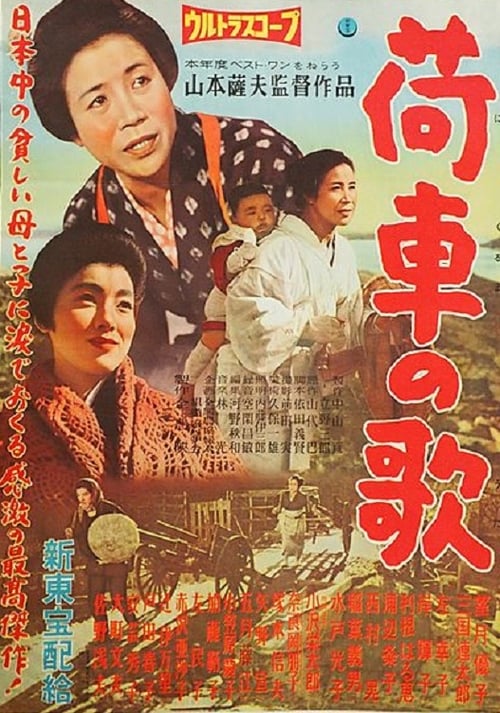
1959

1959
1952
1985
No reviews yet. Be the first to share your thoughts on this movie!
Use the rating form above to leave a star rating and optional review.