
Ginza Cosmetics
1951
No user ratings available yet
Representation score: 5.2 out of 10
Representation Score
Limited
1956
Director
Mikio Naruse
Runtime
117 minutes
Average Rating
No ratings yetNew Showbiz Analysis
Mikio Naruse’s direction offers a nuanced look at women's ability to act within a restrictive social environment. The film excels in portraying the psychological complexities of female characters navigating economic survival. However, the score is somewhat limited by the film's cultural and social homogeneity. It adheres to the realist traditions of mid-century Japan without engaging in modern inclusive frameworks. Ultimately, the work is a humanist exploration of domesticity that prioritizes female-led management over broader social critique.
Category Breakdown
The film does not include any identifiable LGBTQ+ characters or narratives. It stays within the traditional domestic structures of 1950s Japan.
The narrative emphasizes the roles of women and their emotional labor. It highlights the strength of women like Otsuta as they handle both business and family issues.
The cast is culturally uniform, reflecting the historical Japanese setting. While it avoids including someone from a minority group without giving them real depth, it does not address diverse ethnic identities.
The film depicts the challenges of maintaining traditional trades amid economic changes. It focuses on working-class morality without addressing broader societal issues.
There are no visible or invisible disabilities portrayed as central to the character arcs or narrative development.
Present on Screen
Limited or Absent
Official Synopsis
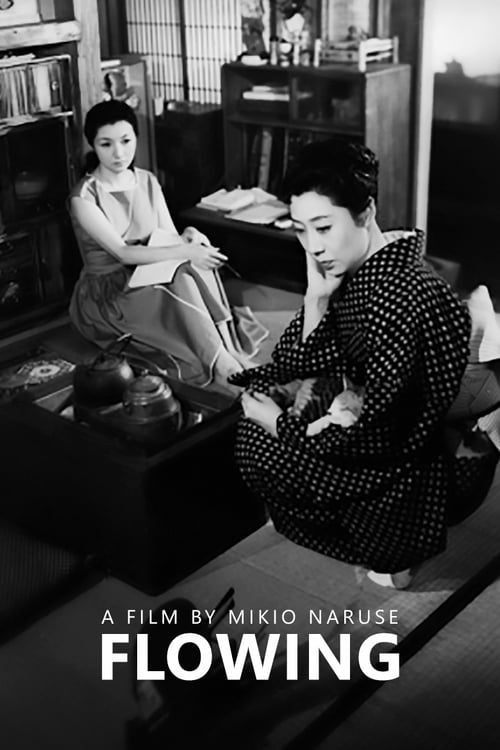
Otsuta is running the geisha house Tsuta in Tokyo. Her business is heavily in debt. Her daughter Katsuyo doesn't see any future in her mother's trade in the late days of geisha. But Otsuta will not give up. This film portrays the day time life of geisha when not entertaining customers.
1951

1956
1954

1960

1964

1987

1933

1968
No reviews yet. Be the first to share your thoughts on this movie!
Use the rating form above to leave a star rating and optional review.