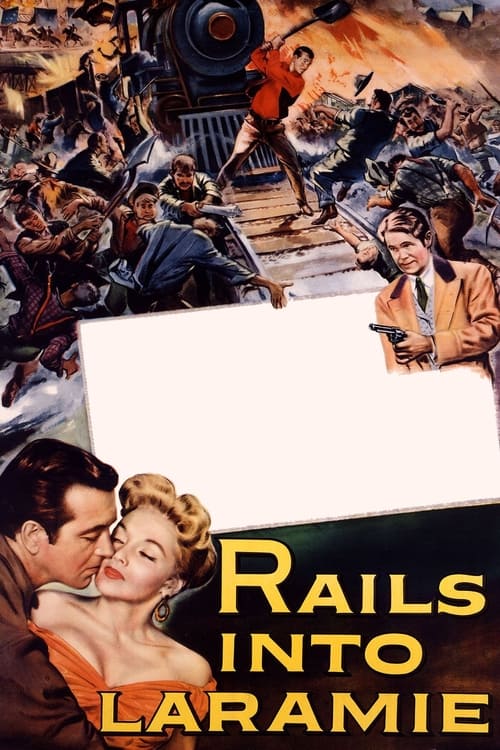
Rails Into Laramie
1954
No user ratings available yet
Diversity score: 1.1 out of 10

1956
NRDirector
Jesse Hibbs
Runtime
88 minutes
Average Rating
No ratings yetSynopsis
Indian Agent sent to try new approach to peace with Apache based on respect for autonomy rather than submission to Army. Wins over reservation chiefs and the Indian widow given to him as housekeeper. Through use of diplomacy and demonstrations of faith in Apache leaders, reservation is put on the road to autonomy. Conflicts arise between Apache widow and Eastern wife but latter has a lot to learn.
Overall Score
Fair
Category Breakdown
LGBTQ+ Representation
The film contains no visible presence of non-cisnormative identities or queer subtext. Character dynamics remain strictly heteronormative, adhering to the social standards of 1956.
Gender Representation
Agency is concentrated in the male protagonist, with female characters serving as conduits for cultural tension. The conflict between the Eastern wife and Apache widow reinforces traditional domestic roles.
Racial & Ethnic Diversity
The narrative grants Apache leaders political agency and dignity by favoring autonomy over military subjugation. An Apache widow provides representation that challenges the era's tendency toward total erasure.
Religious & Cultural Diversity
The film critiques traditional Western institutional methods by framing diplomacy as superior to military force. It explores the tension between Western 'civilizing' influences and the preservation of tribal autonomy.
Disability Representation
No significant depictions of physical or neurodivergent disabilities are present within the narrative.
Strengths
Areas for Improvement
AI Analysis
Walk the Proud Land occupies a transitional space in the Western genre. It avoids the lowest tier of representation by actively critiquing the violent imposition of Western authority in favor of diplomatic autonomy. However, the film's reliance on a male-centric leadership model and its adherence to 1950s social norms prevent a higher score. The narrative's strength lies in its attempt to disrupt the subjugation trope. Ultimately, while the film offers a more nuanced view of Indigenous relations than many of its contemporaries, it remains tethered to conventional hierarchies regarding gender and racial power dynamics.
1954
1956
1955
1968

1957
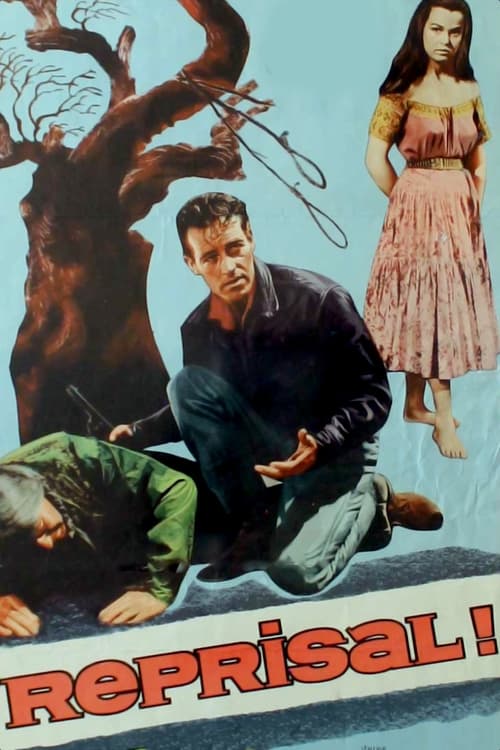
1956
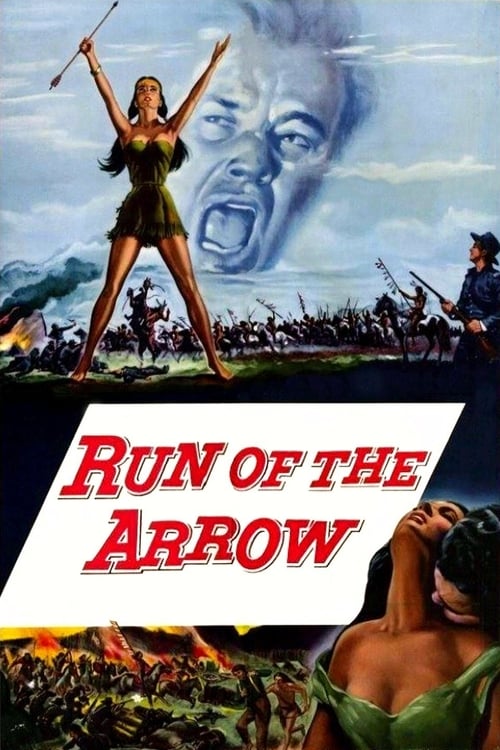
1957
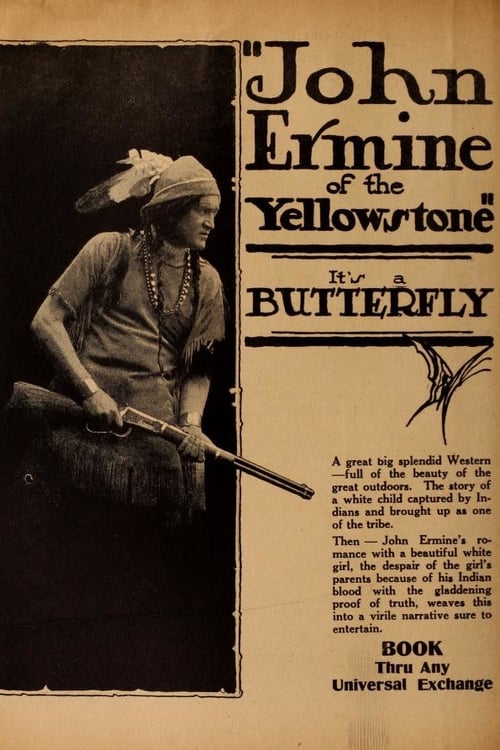
1917
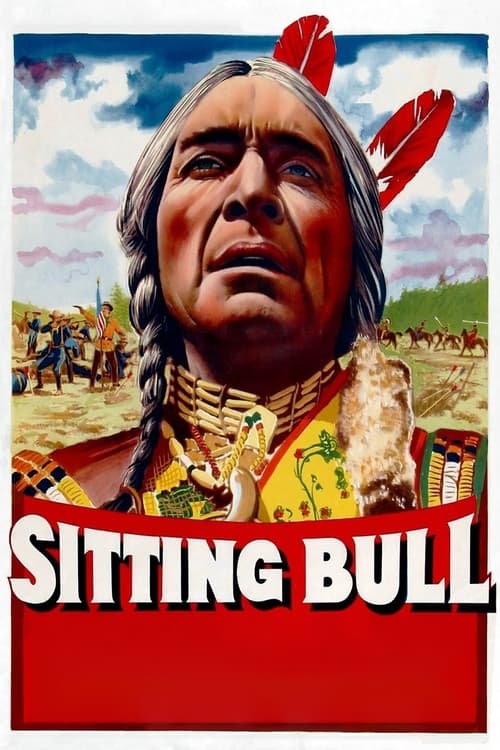
1954
1974
1954
1946
No reviews yet. Be the first to share your thoughts on this movie!
Use the rating form above to leave a star rating and optional review.