Reprisal!
1956
No user ratings available yet
Diversity score: 2.7 out of 10
1955
NRDirector
George Sherman
Runtime
86 minutes
Average Rating
No ratings yetSynopsis
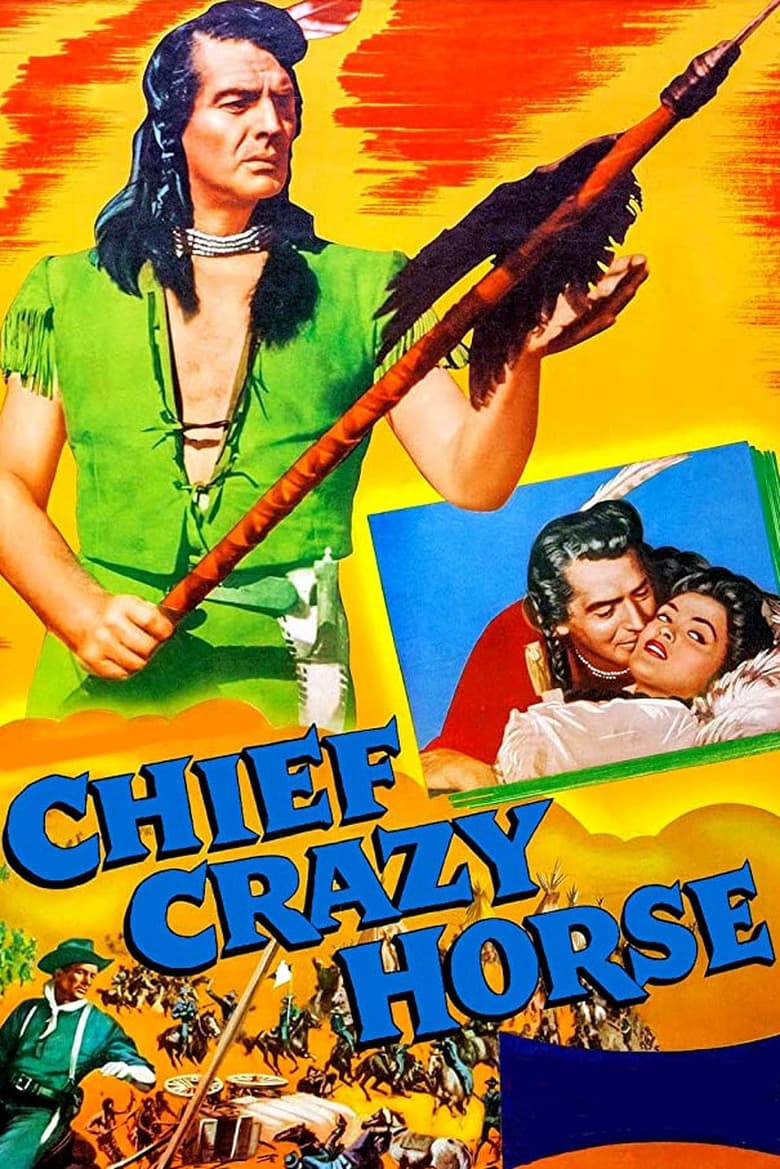
When young Crazy Horse, of whom great things were predicted, wins his bride, rival Little Big Man goes to villainous traders with evidence of gold in the sacred Lakota burial ground. Of course, a new gold rush starts despite all treaties, and Crazy Horse becomes military leader of his people. Initial Indian victories lead to the inevitable result. Uniquely, all is told from the Indian perspective.
Overall Score
Fair
Category Breakdown
LGBTQ+ Representation
The film contains no identifiable LGBTQ+ characters or non-cisnormative identities. It adheres strictly to the social and cinematic conventions of the 1950s.
Gender Representation
Female characters are primarily situated in domestic or supportive roles. They function as anchors for male protagonists rather than driving the political or military plot.
Racial & Ethnic Diversity
The film uses race-bent casting with a white actor in the lead role. However, it disrupts the white savior trope by centering the Lakota experience.
Religious & Cultural Diversity
The narrative critiques expansionist institutions by portraying the violation of sacred lands. It frames the conflict as a clash between sovereign powers rather than civilization versus savagery.
Disability Representation
There are no prominent depictions of visible or invisible disabilities used as central plot devices or character traits.
Strengths
Areas for Improvement
AI Analysis
Chief Crazy Horse occupies a transitional space in Western cinema. While it remains tethered to traditional gender roles and the era's casting limitations, the narrative architecture is notably progressive for its time. By shifting the perspective away from a colonialist viewpoint and toward the indigenous experience, the film disrupts conventional genre expectations. It offers a nuanced critique of institutional expansionism that elevates it above standard 1950s fare. Ultimately, the film's strength lies in its attempt at historical empathy, even while operating within the constraints of the mid-century studio system.
1956
1956
1953
1951
1950

1956
1954
1983
1968
1957
1967
1954
No reviews yet. Be the first to share your thoughts on this movie!
Use the rating form above to leave a star rating and optional review.