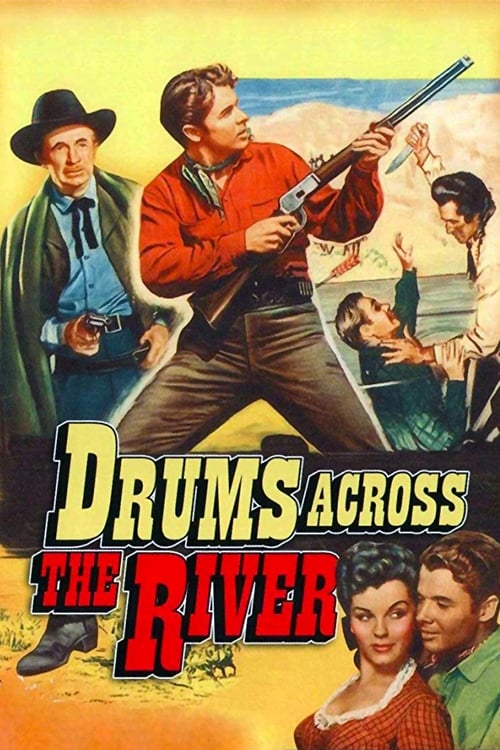
Drums Across the River
1954
No user ratings available yet
Representation score: 0.8 out of 10
Representation Score
Limited
1957
PassedDirector
William F. Claxton
Runtime
77 minutes
Average Rating
No ratings yetNew Showbiz Analysis
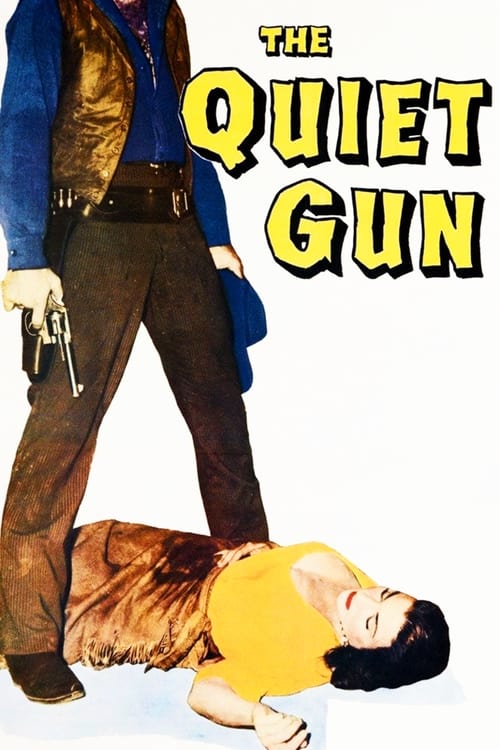
The Quiet Gun is a mid-century Western that tackles the social tensions of the frontier. By focusing on the conflict between individual morality and communal prejudice, the film aims to challenge common genre clichés. While it addresses anti-Indian bigotry, it operates within the conventional constraints of 1957 filmmaking. The narrative offers a basic level of progressive thematic engagement but does not delve into deeper multi-layered complexity. Ultimately, the film acknowledges systemic intolerance but lacks the nuanced character's ability to drive the story or systemic deconstruction needed to go beyond a baseline genre representation.
Category Breakdown
The film does not include any characters with non-straight sexual orientations or non-cisgender gender identities. It also does not feature any narratives that question the assumption that everyone is straight or cisgender.
The story focuses on a sheriff, which is a traditionally masculine role. There are no female characters who play a significant role in driving the story or who challenge traditional gender hierarchies.
The film addresses anti-Indian bigotry, disrupting the 'empty frontier' cliché by highlighting the presence and victimization of Indigenous populations.
The film engages with social justice themes by having a protagonist fight against local prejudice. However, it stays within the traditional institutional frameworks of the Western genre.
The synopsis does not mention any characters with visible or invisible disabilities.
Present on Screen
Limited or Absent
Official Synopsis
A mild mannered sheriff must fight both a hired gun and local anti-Indian bigotry in a small frontier town.
1954
1959
1956
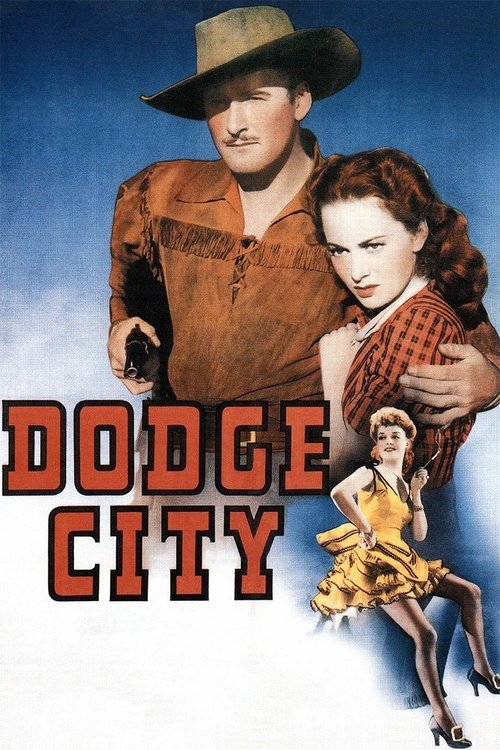
1939
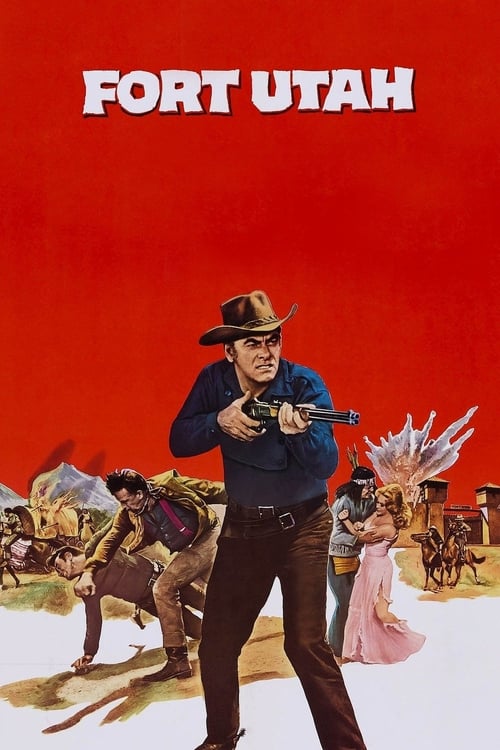
1967

1950
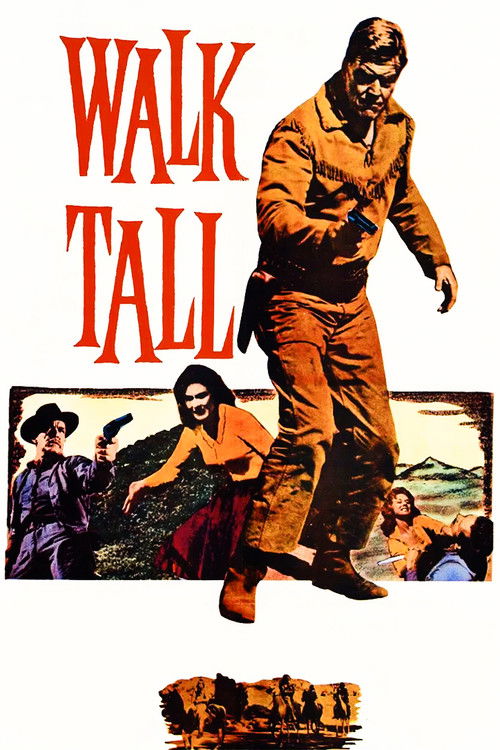
1960
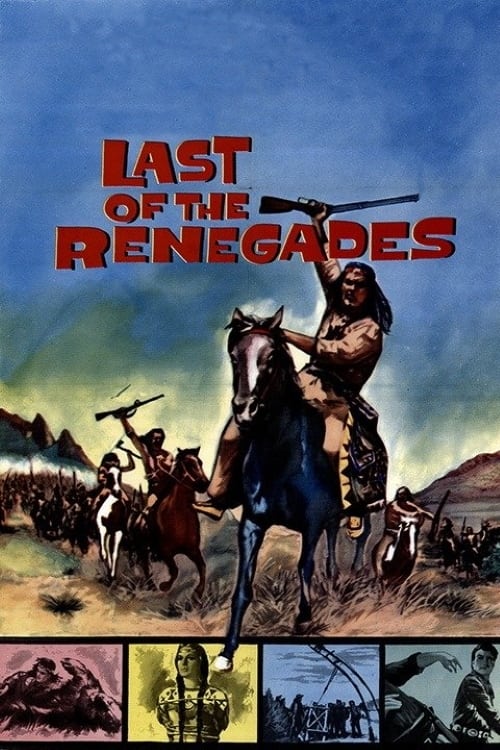
1964
No reviews yet. Be the first to share your thoughts on this movie!
Use the rating form above to leave a star rating and optional review.