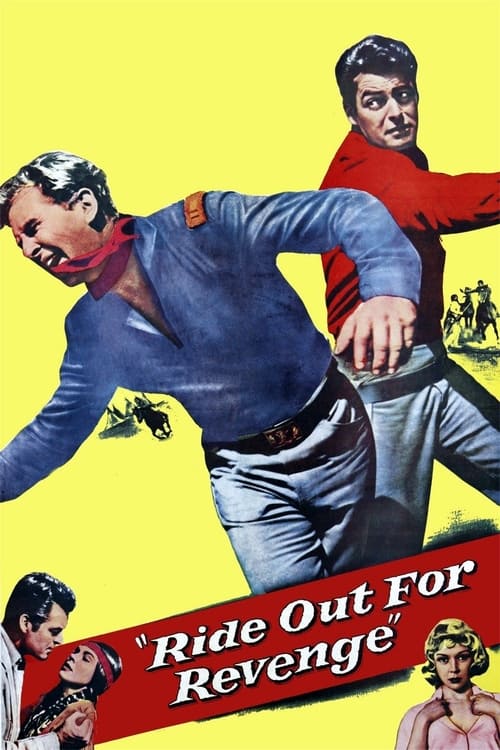
Ride Out for Revenge
1957
No user ratings available yet
Representation score: 2.1 out of 10
Representation Score
Limited
1956
NRDirector
George Sherman
Runtime
74 minutes
Average Rating
No ratings yetNew Showbiz Analysis
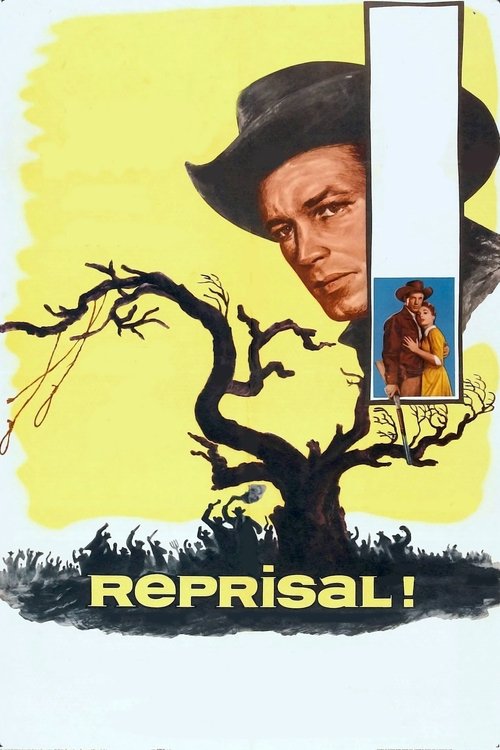
Reprisal! provides a nuanced exploration of racial identity through a mixed-race protagonist navigating systemic bias. By focusing on the failure of a white jury to convict a lynch mob, the film critiques institutional injustice. However, these strengths are constrained by the rigid genre conventions of 1950s Westerns, which remain heavily male-centric and offer little representation for women or LGBTQ+ individuals. Ultimately, while the film delves into the pressures of racial passing, it stays within the traditional social hierarchies of mid-century cinema.
Category Breakdown
The film does not include any characters or stories related to LGBTQ+ identities or non-assuming gender matches what was assigned at birth experiences. It follows the traditional social norms of the 1950s Western genre.
The story focuses on male-driven conflicts and vigilante justice. The lack of women's ability to drive the story reinforces traditional masculine hierarchies typical of the time.
The film examines the complexities of identity through a protagonist of mixed heritage who must pass as white. It highlights the failures of white-dominated legal systems in addressing racial injustice.
The story addresses themes of systemic corruption and mob mentality. However, it adheres to the traditional frontier myths and Western clichés.
There are no characters with visible or invisible disabilities portrayed with real influence or as central to the narrative.
Present on Screen
Limited or Absent
Official Synopsis
New ranch owner Frank Madden, half Indian but posing as white, arrives just as an all white jury finds the three white Shipley brothers who lynched three Indians innocent. There is soon trouble between Frank and the Shipleys who are using Frank's land to graze their cattle. When the brother of one of the Indian victims kills a Shipley, Frank is accused and put in jail. The Shipleys then organize a lynch mob and head for the jail.
1957
1958
1956
1956
1948

1959
1969
1972
No reviews yet. Be the first to share your thoughts on this movie!
Use the rating form above to leave a star rating and optional review.