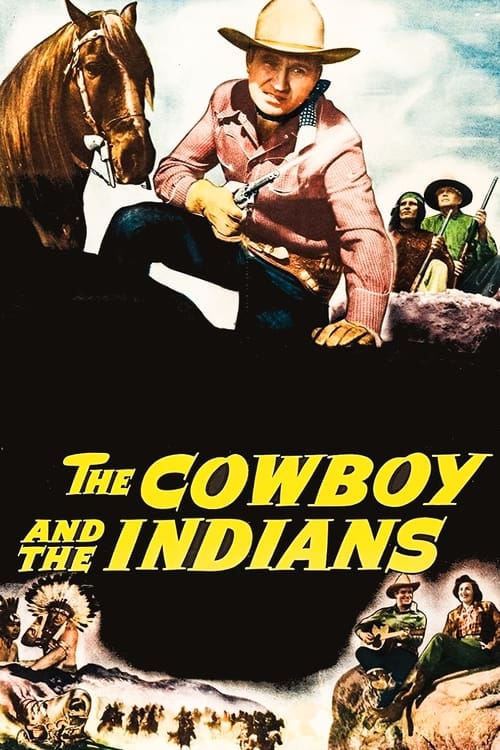
The Cowboy and the Indians
1949
No user ratings available yet
Representation score: 2.2 out of 10
Representation Score
Limited
1946
ApprovedDirector
Robert Emmett Tansey
Runtime
58 minutes
Average Rating
No ratings yetNew Showbiz Analysis
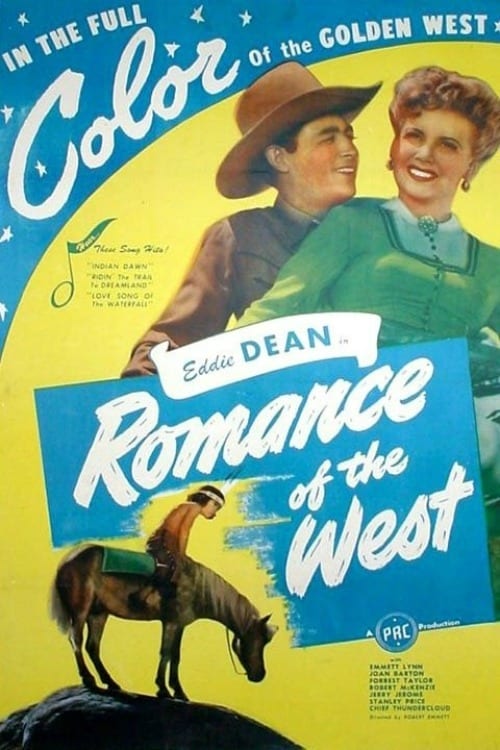
Romance of the West offers a more nuanced perspective on racial dynamics compared to many of its contemporaries. By focusing on the systemic exploitation of Indigenous lands for silver, the film provides a more complex portrayal of Indigenous characters facing institutional corruption. However, the film remains rooted in the social hierarchies of the 1940s. Leadership roles are predominantly held by men, and moral resolutions rely on traditional religious frameworks. While it challenges some frontier clichés, it does not fully address the broader patriarchal or colonial structures of the genre. Ultimately, the film is a moderate example of mid-century storytelling, offering more depth on racial injustice but lacking the multifaceted complexity needed to truly subvert the era's social norms.
Category Breakdown
The film does not include any characters with LGBTQ+ identities or non-cisgender traits. It follows the traditional heterosexual norms of 1940s Western cinema.
Male figures such as the Indian Agent and town selectmen have significant influence, reinforcing the patriarchal leadership structures of the time.
The film presents Indigenous characters as nuanced victims of institutional greed, distinguishing between peaceful and outlaw Indigenous groups.
The story centers around traditional Western institutions and religious morality, exemplified by Father Sullivan. Justice is framed within a familiar social order.
There are no depictions of characters with physical or neurodivergent disabilities in this film.
Present on Screen
Limited or Absent
Official Synopsis
The happy Indians live in Antelope Valley and Eddie is the new Indian Agent. Everything seems fine until the town selectmen want the valley occupied by the Indians because it contains silver. So they hire outlaw Indians and Chico to start trouble hoping that the army will forcibly remove them from the valley and they will claim it. But Father Sullivan and Eddie believe the Indians are being wronged even though they cannot convince anyone else.
1949
1940
1954
1960
1954
1963
1941
1965
No reviews yet. Be the first to share your thoughts on this movie!
Use the rating form above to leave a star rating and optional review.