Ride Clear of Diablo
1954
No user ratings available yet
Diversity score: 1.4 out of 10
1954
NRDirector
Jesse Hibbs
Runtime
81 minutes
Average Rating
No ratings yetSynopsis
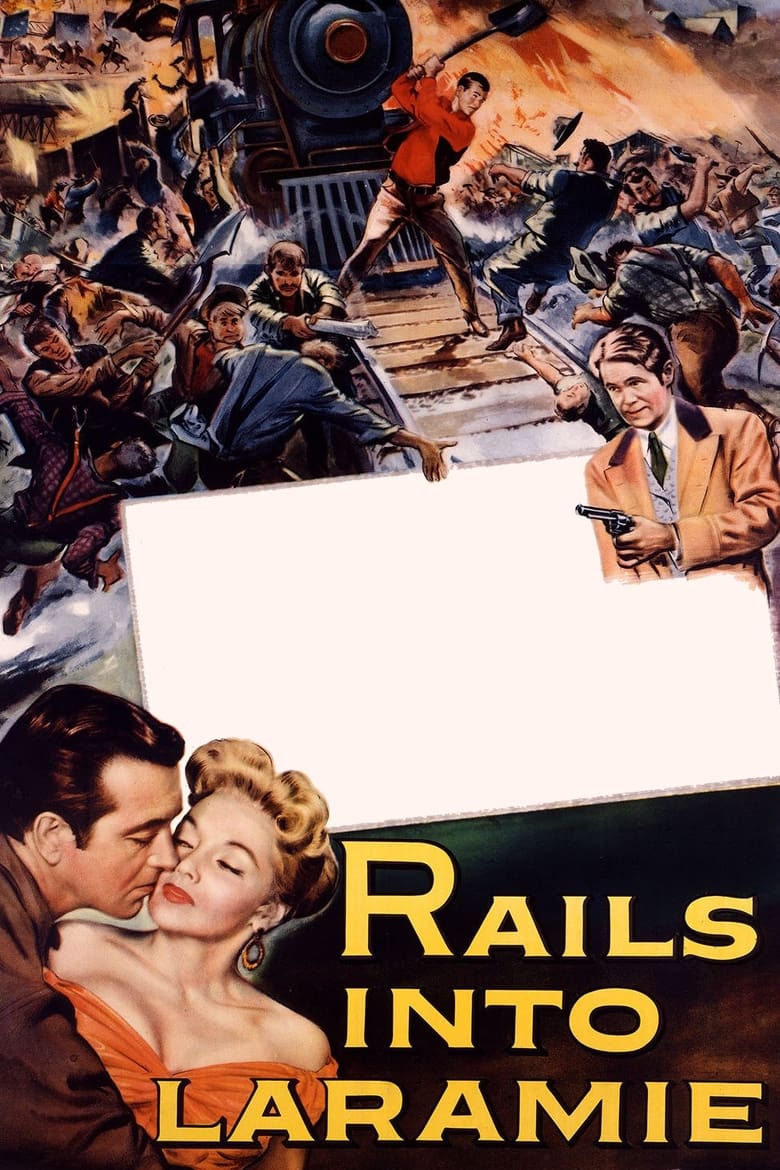
A federal agent arrives in Laramie to try to find out who is behind the efforts to stop the construction of a new railroad track.
Overall Score
Minimal
Category Breakdown
LGBTQ+ Representation
The film contains no LGBTQ+ characters or non-cisnormative identities. It relies on the heteronormative frameworks common to 1950s Westerns, offering no subtextual engagement with queer identities.
Gender Representation
The story centers almost exclusively on masculine archetypes and male-driven action. Women are not central to the plot, reinforcing traditional gender hierarchies and conventional masculine leadership.
Racial & Ethnic Diversity
The cast reflects the historical homogeneity of the mid-century Western. It depicts a predominantly white social structure with little racial blending or inclusion of non-Anglo-Saxon characters with agency.
Religious & Cultural Diversity
The narrative portrays railroad expansion and federal law as stabilizing, positive forces. It emphasizes the protection of capitalist infrastructure and traditional societal structures without moral relativism.
Disability Representation
There are no visible or invisible disabilities portrayed. Characters are defined by the physical capabilities required for frontier labor, with no engagement with neurodivergence or chronic illness.
Strengths
Areas for Improvement
AI Analysis
Rails Into Laramie serves as a baseline for mid-century cinematic norms, prioritizing genre conventions over intersectional storytelling. The film functions to reinforce established social and cultural hierarchies rather than challenging them. The narrative architecture celebrates the expansion of Western industry and the efficacy of law enforcement. It lacks the complexity or subversion of tropes necessary to move beyond a traditionalist perspective. Ultimately, the film is a product of its era, focusing on the establishment of order through a lens of historical homogeneity and traditional masculine archetypes.
1954
1947
1941
1944
1943
1961
1935
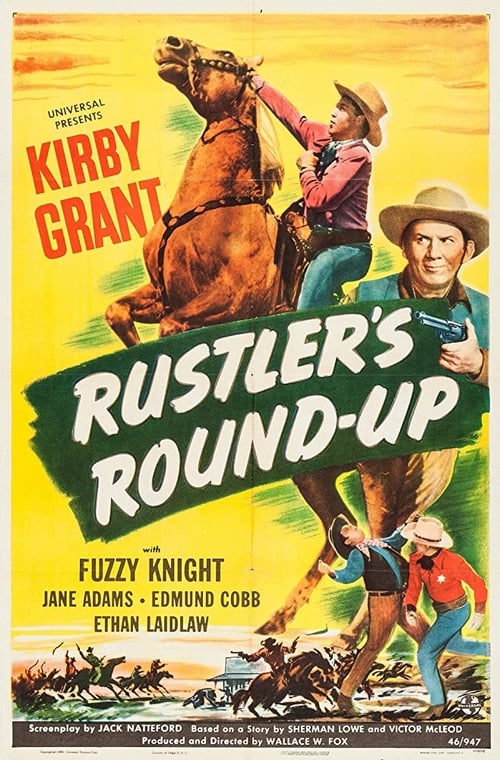
1946

1956
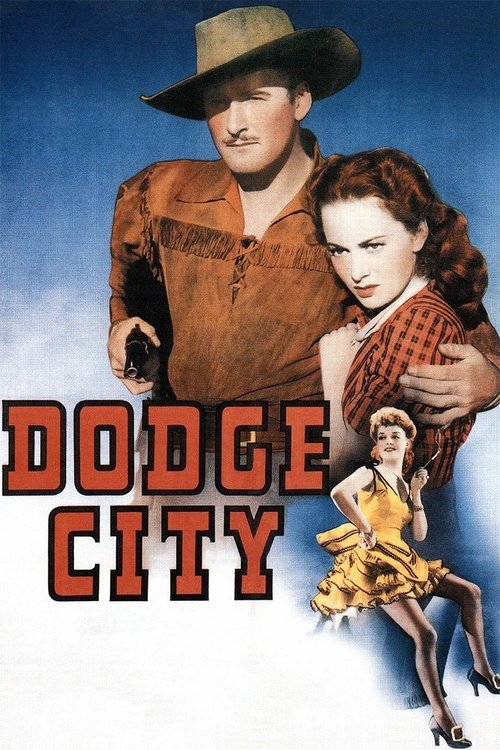
1939
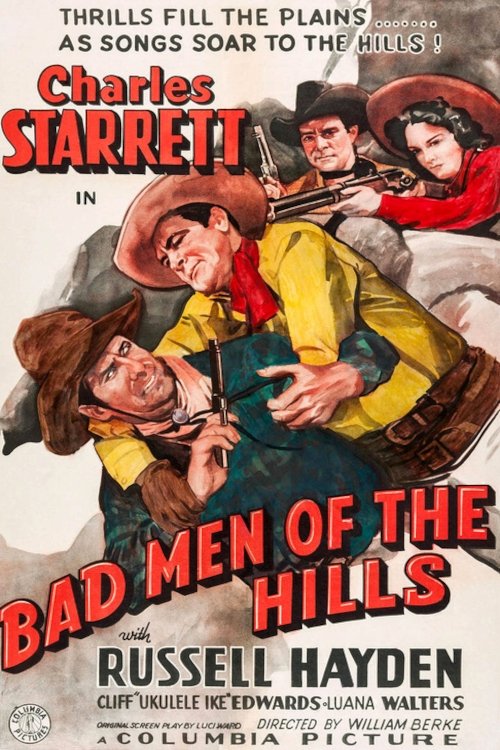
1942
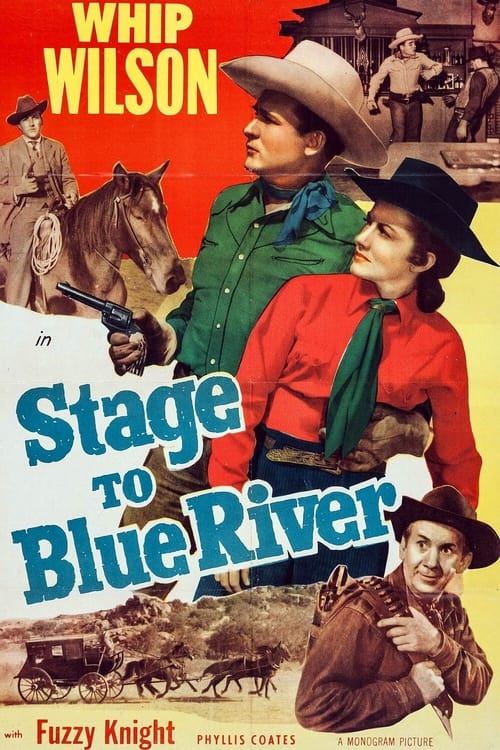
1951
No reviews yet. Be the first to share your thoughts on this movie!
Use the rating form above to leave a star rating and optional review.