The Stalking Moon
1968
No user ratings available yet
Diversity score: 4.2 out of 10
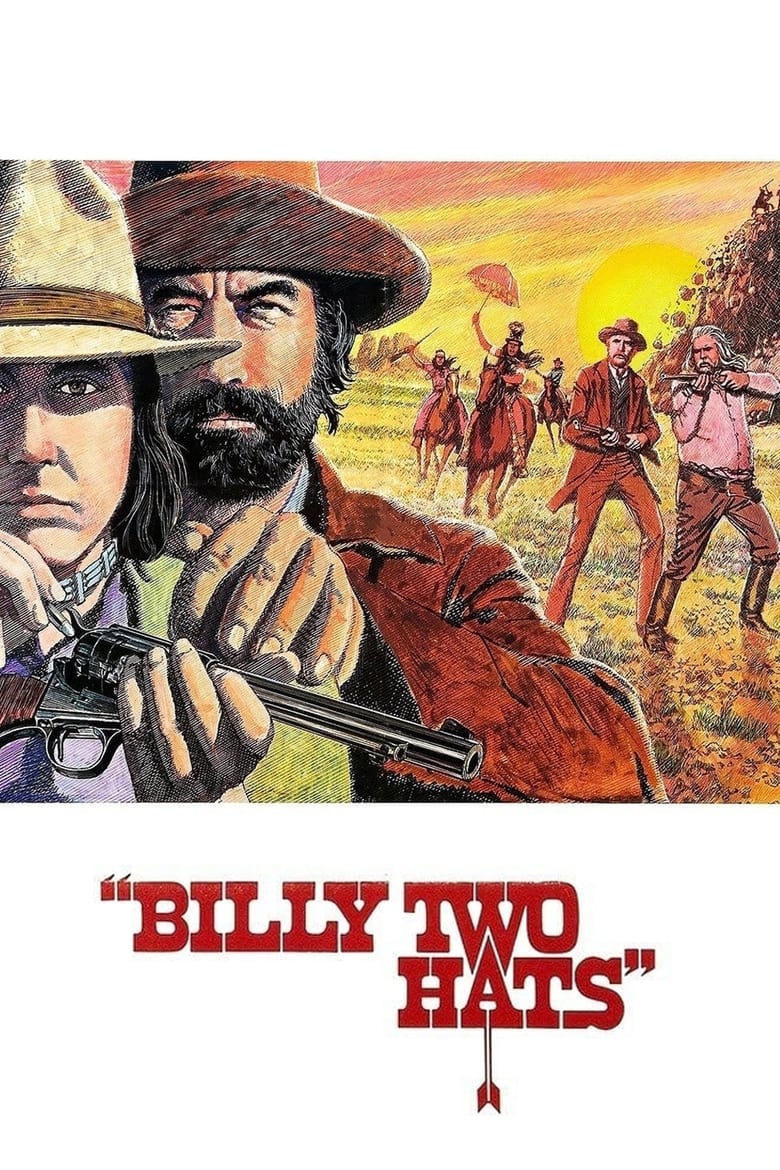
1974
PGDirector
Ted Kotcheff
Runtime
99 minutes
Average Rating
No ratings yetSynopsis
After a bank robbery, runaway Scottish outlaw Arch Deans and his young half-breed Kiowa partner Billy Two Hats develop a father-son relationship, but Sheriff Henry Gifford is determined to capture or kill them.
Overall Score
Limited
Category Breakdown
LGBTQ+ Representation
The film lacks any visible presence of LGBTQ+ characters or non-cisnormative identities. The narrative focus remains strictly on heteronormative social structures and male-driven interpersonal dynamics.
Gender Representation
Female characters occupy secondary roles, serving primarily as peripheral figures to the central male-driven conflict. There is a notable absence of female agency or the subversion of traditional gender roles.
Racial & Ethnic Diversity
The film features a half-breed Kiowa character, Billy, which introduces racial complexity. However, the cast remains predominantly white and does not disrupt the Anglo-centric visual language of the Western genre.
Religious & Cultural Diversity
The narrative disrupts expectations by framing local law enforcement and institutional power as potentially corrupt. This creates a landscape of moral relativism where morality is portrayed as situational rather than absolute.
Disability Representation
There are no discernible depictions of physical, sensory, or neurodivergent disabilities. Characters are portrayed through the lens of physical capability and survivalist agency.
Strengths
Areas for Improvement
AI Analysis
Billy Two Hats operates as a traditional Western that prioritizes individual morality over demographic breadth. While it offers some nuance through its protagonist's mixed-heritage, the film remains firmly rooted in the social hierarchies of its era. The narrative succeeds in deconstructing institutional authority by portraying law enforcement as potentially predatory. This provides a layer of moral complexity that elevates the film beyond a simple outlaw mythos. However, the film fails to provide meaningful representation for women, LGBTQ+ individuals, or people with disabilities. It relies heavily on conventional gender roles and a predominantly white cast, limiting its social scope.
1968
1969
1967
1971
1956

1957
1968
1967
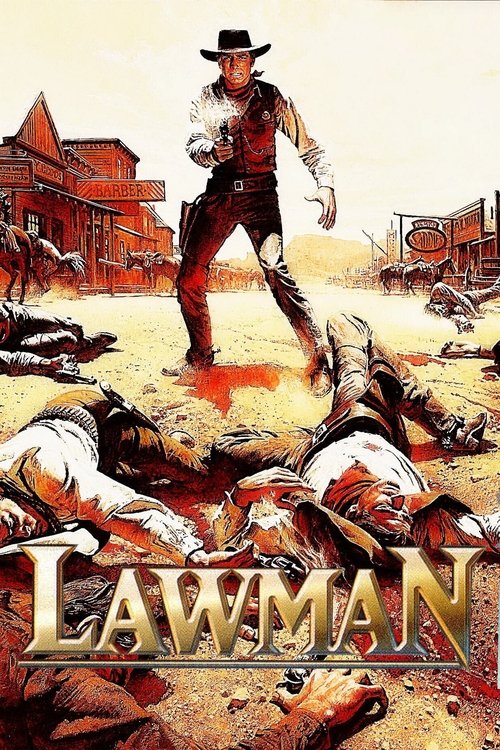
1971
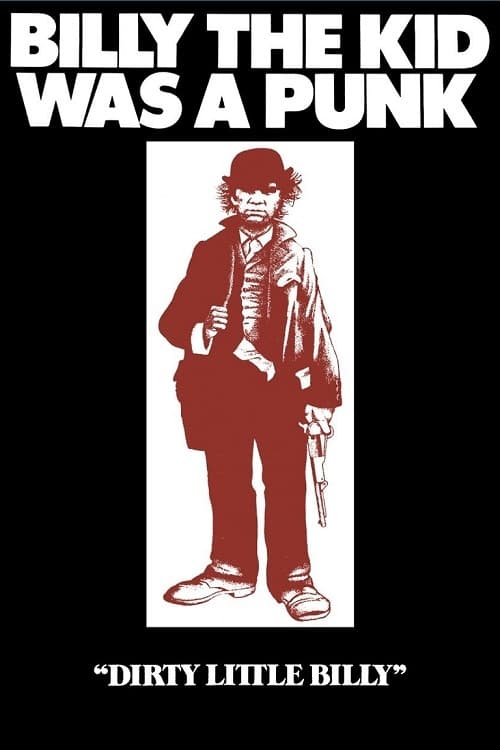
1972
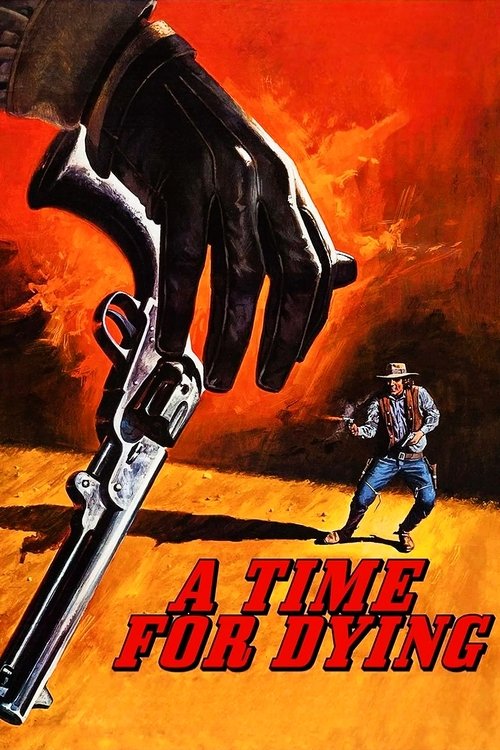
1969
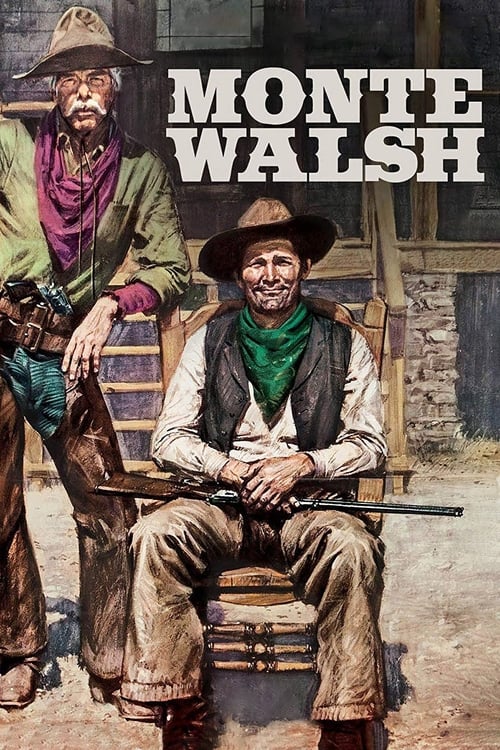
1970
No reviews yet. Be the first to share your thoughts on this movie!
Use the rating form above to leave a star rating and optional review.