Trooper Hook
1957
No user ratings available yet
Representation score: 1.1 out of 10
Representation Score
Limited
1968
GDirector
Robert Mulligan
Runtime
109 minutes
Average Rating
No ratings yetNew Showbiz Analysis
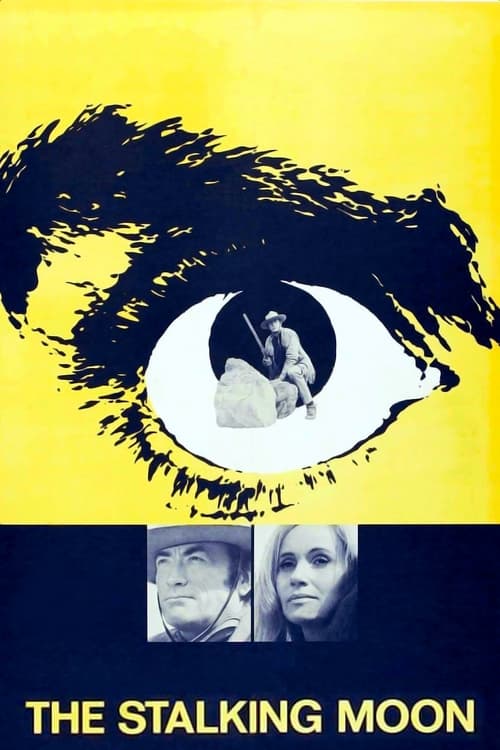
The Stalking Moon is a transitional Western that emphasizes psychological realism over idealized heroism. It moves away from simple 'good vs. evil' clichés to explore the cycle of violence and moral relativism. While the film presents a more nuanced view of cultural integration through Sarah Carver's life with the Apache, it is still constrained by the conventions of its time. The central plot revolves around the white male lead. Overall, the film succeeds in dismantling foundational Western myths through its somber tone, although it falls short of modern standards for diverse representation.
Category Breakdown
The film does not include any LGBTQ+ characters or explore non-straight relationships. Relationships and family dynamics are confined to traditional structures.
The story centers around male-driven conflict and revenge. Sarah Carver is a key figure, but her role is shaped by her past experiences as a captive and as a mother.
The film challenges racial stereotypes by showing a white woman living among the Apache. However, the main character's actions and decisions remain centered on the white protagonist, and Indigenous characters are portrayed using older conventions.
This updated Western film questions the glorified image of the frontier by focusing on moral ambiguity. It breaks down the 'civilizing' myth by highlighting the trauma and chaos inherent in the expansionist period.
There are no specific representations of physical or neurodivergent disabilities in the main character arcs.
Present on Screen
Limited or Absent
Official Synopsis
While moving a group of Apaches to a Native American reservation in Arizona, an American scout named Sam Varner is surprised to find a white woman, Sarah Carver, living with the tribe. When Sam learns that she was taken captive by an Indian named Salvaje ten years ago, he attempts to escort Sarah and her half-Native American son to his home in New Mexico. However, it soon becomes clear that Salvaje is hot on their trail.
1957
1960
1956
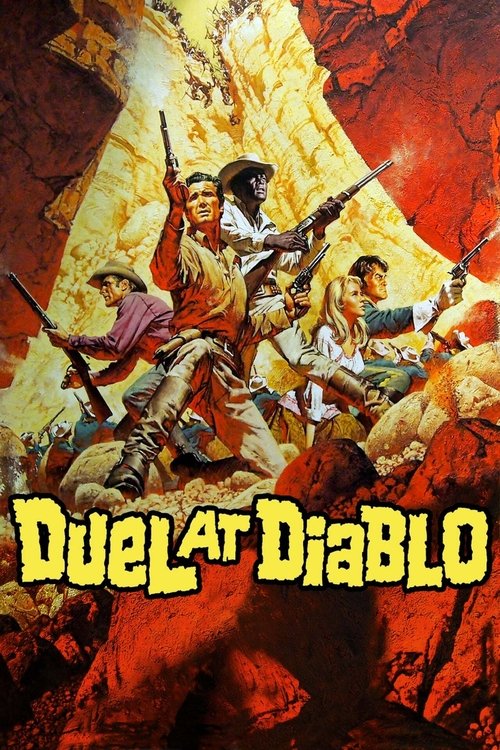
1966
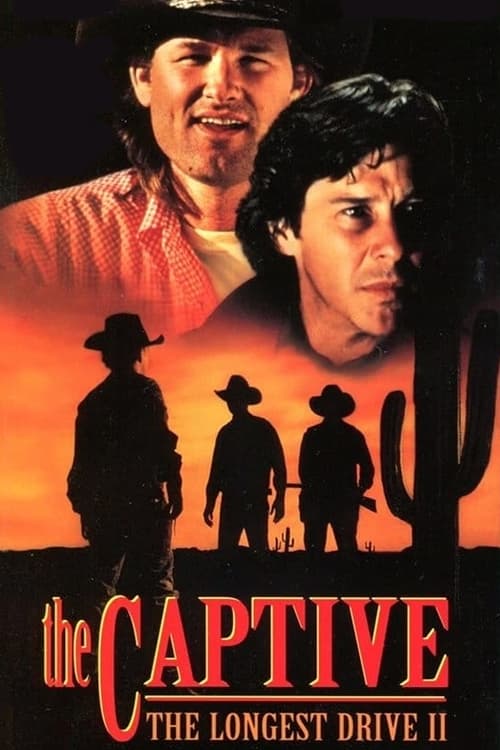
1976
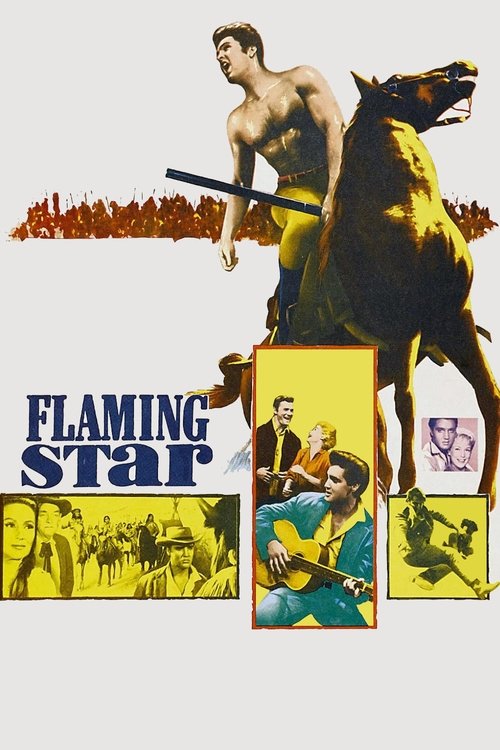
1960
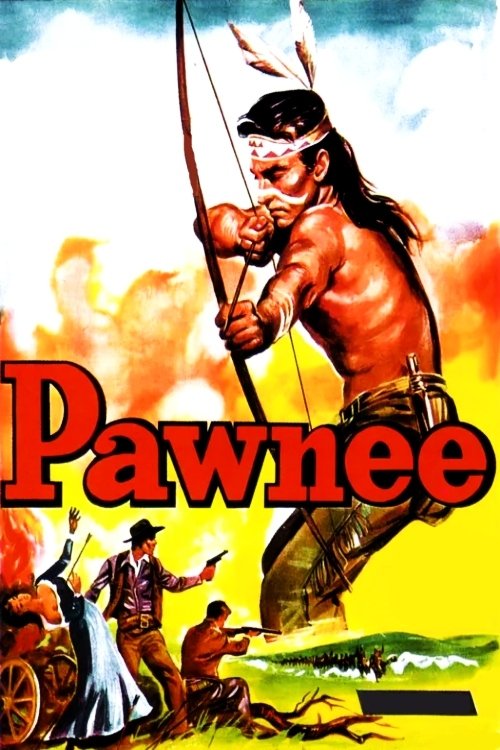
1957
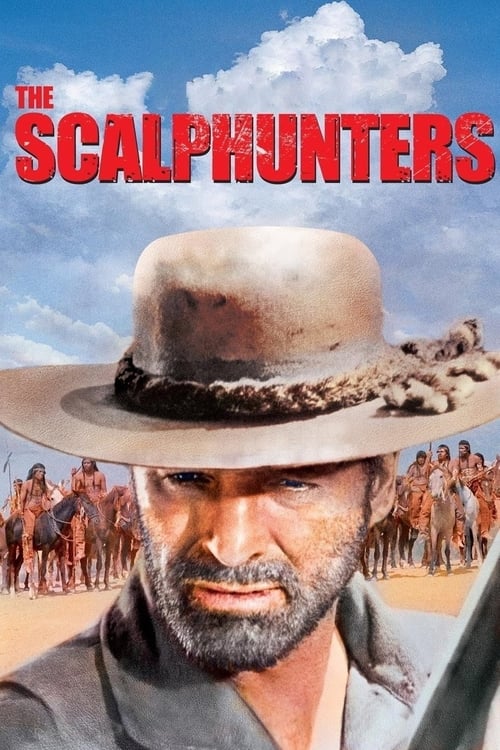
1968
No reviews yet. Be the first to share your thoughts on this movie!
Use the rating form above to leave a star rating and optional review.