Tumbleweed
1953
No user ratings available yet
Representation score: 0.6 out of 10
Representation Score
Minimal
1956
NRDirector
Delmer Daves
Runtime
99 minutes
Average Rating
No ratings yetNew Showbiz Analysis
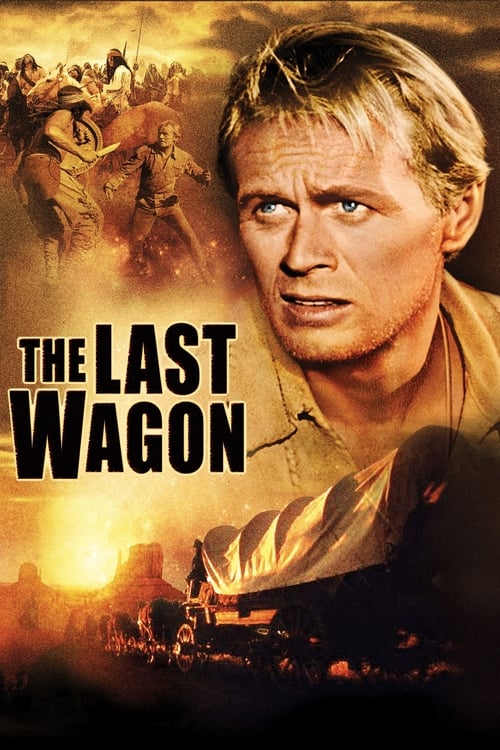
The Last Wagon reflects the demographics typical of its era, lacking representation for LGBTQ+ individuals and people with disabilities. It adheres to the conventions of 1950s cinema. The film’s strength lies in its exploration of moral ambiguity. By focusing on characters operating in the gray areas of the law, it challenges the rigid hierarchies of the classic Western genre. While the film does not offer characters who reflect more than one aspect of diversity, it presents a more nuanced view of characters by delving into situational ethics and cultural diversity.
Category Breakdown
The film does not include any visible LGBTQ+ characters or narratives. The mid-19th-century setting follows strict straight-centered rules without any hints of LGBTQ+ themes.
The story focuses mainly on male characters and their interactions with authority figures. Female characters have little influence and play minor roles in the main storyline.
Although the cast is mostly white, the character of Comanche Todd brings cultural diversity. His integration into Comanche society challenges the idea of strict racial boundaries.
The film examines moral ambiguity through the actions of criminals motivated by survival. It questions the stability of Western legal systems during a time of institutional collapse.
There is no representation of physical, neurological, or mental health disabilities. Characters are primarily defined by their ability to survive and fight physically.
Present on Screen
Limited or Absent
Official Synopsis
When a handful of settlers survive an Apache attack on their wagon train they must put their lives into the hands of Comanche Todd, a white man who has lived with the Comanches most of his life and is wanted for the murder of three men.
1953
1966
1957
1960
1951
1958
1968

1950
No reviews yet. Be the first to share your thoughts on this movie!
Use the rating form above to leave a star rating and optional review.