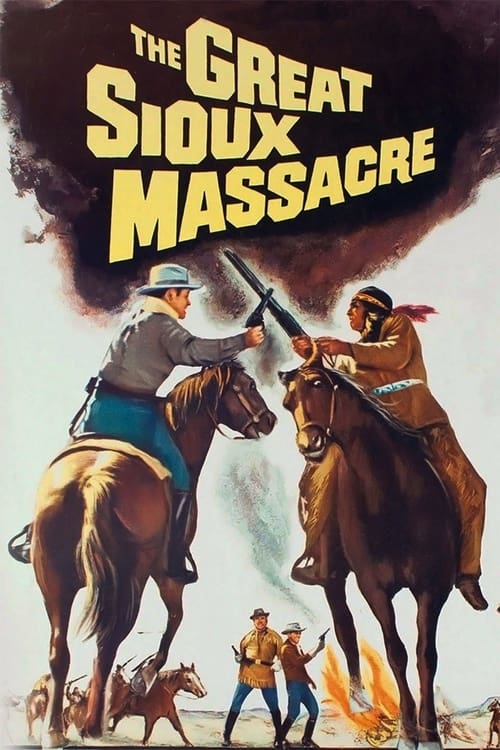
The Great Sioux Massacre
1965
No user ratings available yet
Diversity score: 4.3 out of 10
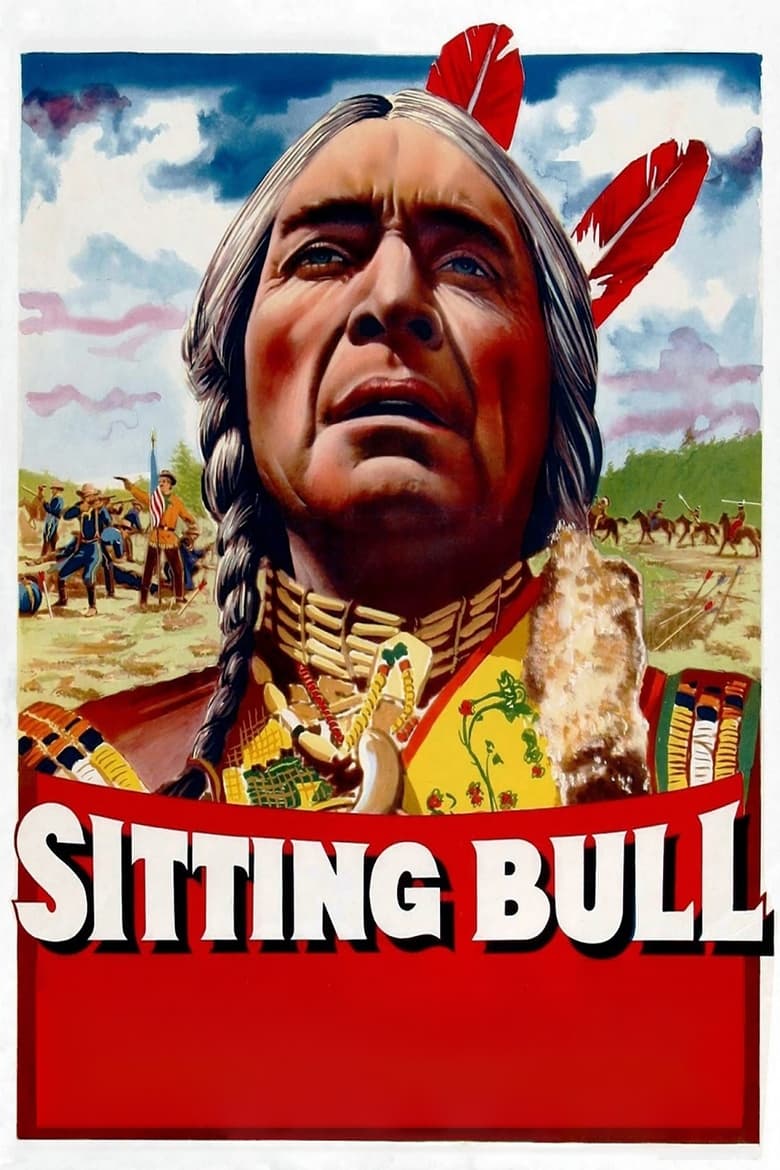
1954
NRDirector
Sidney Salkow
Runtime
105 minutes
Average Rating
No ratings yetSynopsis
Chief Sitting Bull of the Sioux tribe is forced by the Indian-hating General Custer to react with violence, resulting in the famous Last Stand at Little Bighorn. Parrish, a friend to the Sioux, tries to prevent the bloodshed, but is court- martialed for "collaborating" with the enemy. Sitting Bull, however, manages to intercede with President Grant on Parrish's behalf.
Overall Score
Fair
Category Breakdown
LGBTQ+ Representation
The film contains no documented presence of LGBTQ+ characters or non-cisnormative identities. The narrative adheres strictly to the heteronormative social structures of the 1950s.
Gender Representation
Female characters are relegated to domestic or supportive roles within the Sioux tribal structure. They lack the agency to drive the central political or military conflicts.
Racial & Ethnic Diversity
The film centers the Sioux perspective by placing a Native American historical figure at the heart of the story. This grants high agency to characters of color through political intercession.
Religious & Cultural Diversity
The narrative disrupts expansionist tropes by framing the U.S. military as a disruptive force. It portrays the Sioux defense of their land as a legitimate struggle for cultural preservation.
Disability Representation
There are no prominent depictions of physical or neurodivergent disabilities. No character arcs are defined by disability within the film.
Strengths
Areas for Improvement
AI Analysis
Sitting Bull (1954) serves as a transitional Western that challenges the standard heroic narrative of American expansion. By centering the Sioux perspective, the film provides a level of agency to indigenous characters that was often absent in mid-century cinema. However, the film remains limited by the era's social constraints. It lacks any representation of LGBTQ+ identities and offers very little agency to female characters, who remain confined to domestic roles. Ultimately, the film's strength lies in its moral complexity. It frames federal authority as an antagonistic force of displacement rather than a stabilizing institution, offering a nuanced look at systemic pressures.
1965
1968
1955
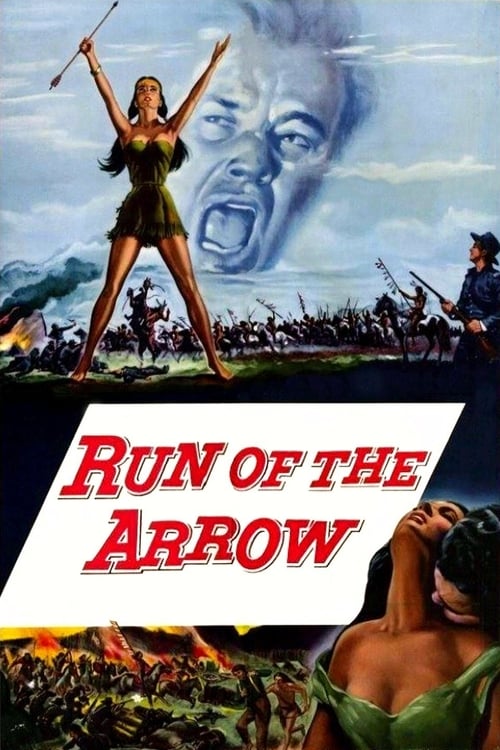
1957
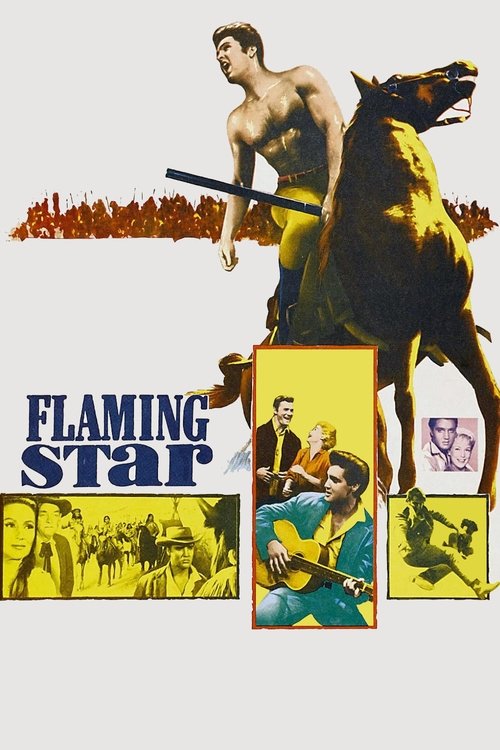
1960

1956
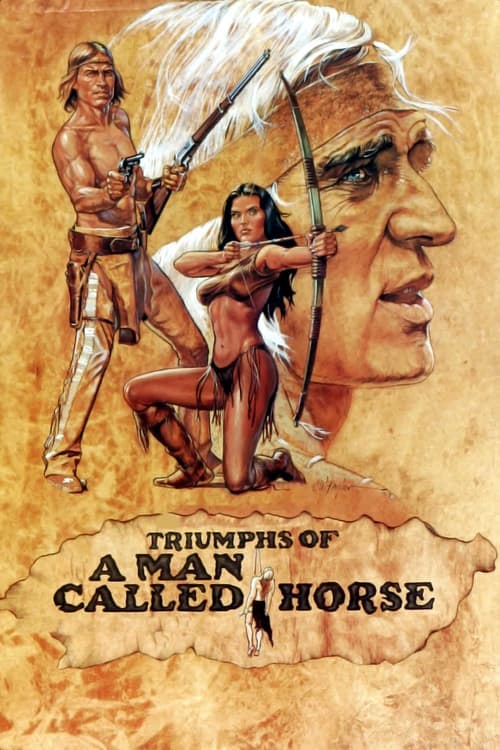
1983
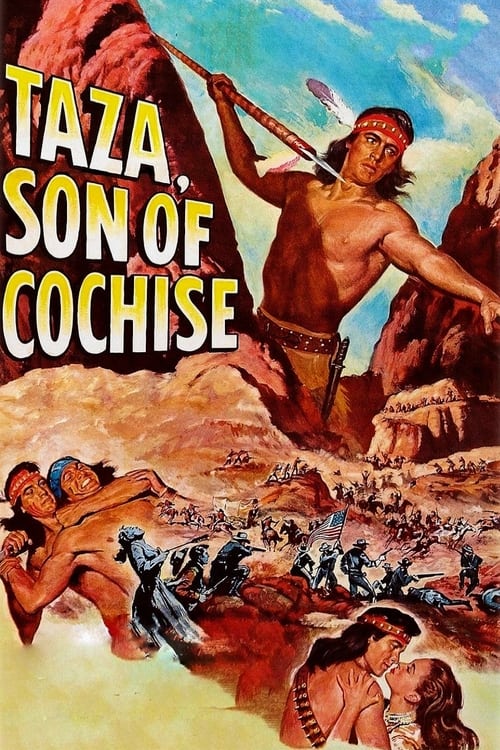
1954
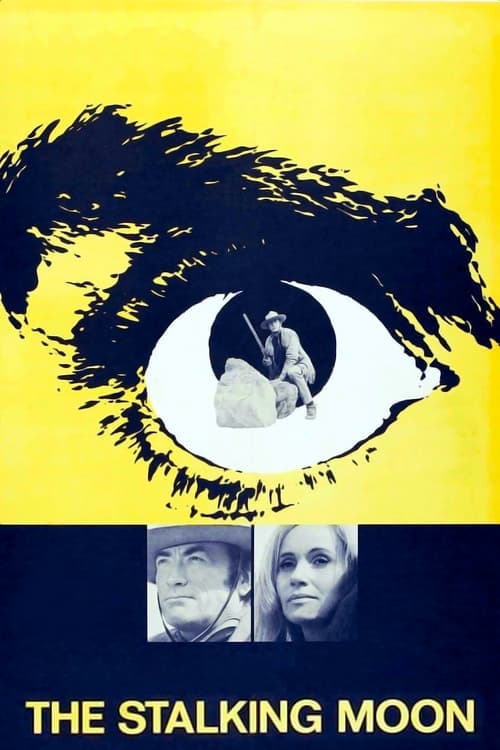
1968
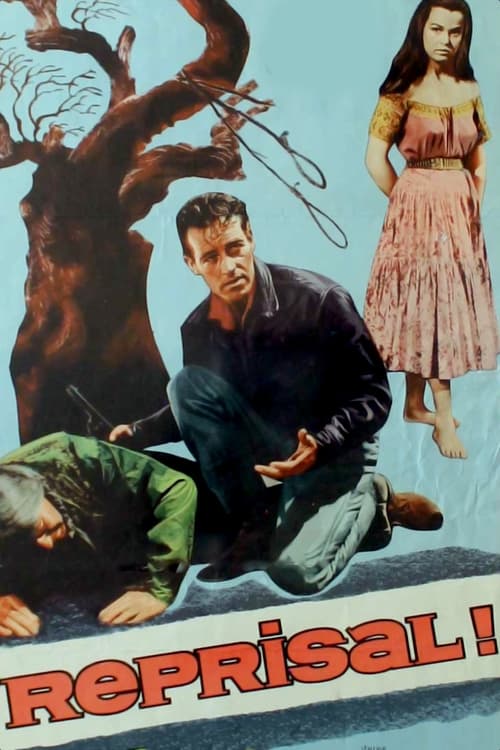
1956

1957
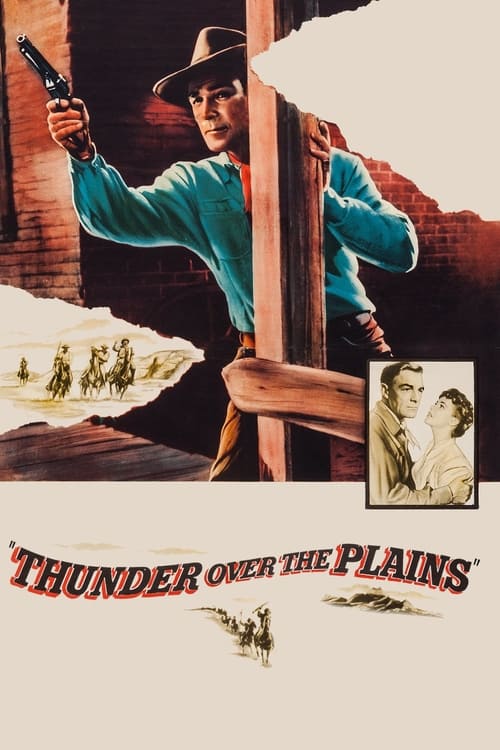
1953
No reviews yet. Be the first to share your thoughts on this movie!
Use the rating form above to leave a star rating and optional review.