Reprisal!
1956
No user ratings available yet
Diversity score: 2.7 out of 10

1917
ApprovedDirector
Francis Ford
Runtime
50 minutes
Average Rating
No ratings yetSynopsis
As a baby, John Ermine is stolen from a wagon train by the Crow Indians and is adopted by Chief Fire Bear. John grows to manhood, ignorant that he is a white man until his parentage is disclosed to him by Crooked Bear, a white hermit who is on friendly terms with the Crows. Crooked Bear teaches John the language and customs of the white man's civilization, impressing upon him that it is his sacred responsibility to keep peace between the white men and the Indians.
Overall Score
Limited
Category Breakdown
LGBTQ+ Representation
The film lacks any representation of LGBTQ+ characters or non-cisnormative identities. The narrative follows a traditional lineage and adoption structure within a heteronormative framework.
Gender Representation
The story centers on male agency and the development of John Ermine through his relationships with male mentors. It follows a patriarchal trajectory without subverting traditional gender hierarchies.
Racial & Ethnic Diversity
The film disrupts monolithic settler tropes by centering a character of mixed heritage raised by the Crow. It depicts Indigenous communities as primary social structures rather than mere obstacles.
Religious & Cultural Diversity
The plot explores the friction between Western civilization and Indigenous traditions. However, it prioritizes Western customs and language as the necessary tools for maintaining frontier peace.
Disability Representation
There are no visible or invisible disabilities portrayed in the narrative. No characters have arcs defined by physical impairment or neurodivergence.
Strengths
Areas for Improvement
AI Analysis
John Ermine of the Yellowstone offers a nuanced look at racial identity for its era by focusing on a protagonist caught between two worlds. By centering a Crow Indian community as a functional social structure, the film avoids the most reductive settler-only perspectives of early Westerns. However, the film remains anchored in the colonial ideologies of 1917. The narrative resolution suggests that peace depends on the protagonist adopting Western customs, positioning white civilization as the stabilizing force. Ultimately, while the film engages with cross-cultural themes, it reinforces traditional patriarchal and colonial hierarchies rather than critiquing them.
1956
1946
1916

1956
2008
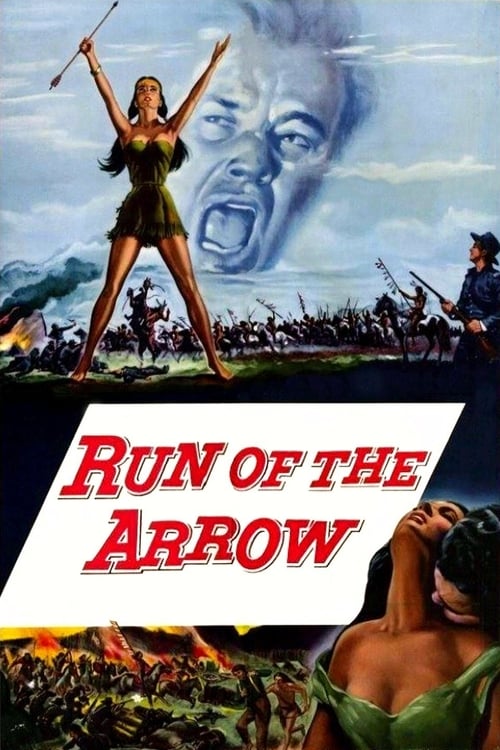
1957
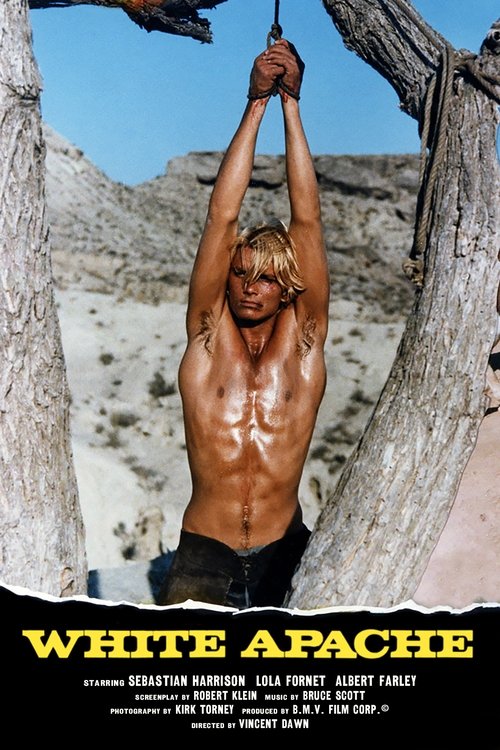
1987
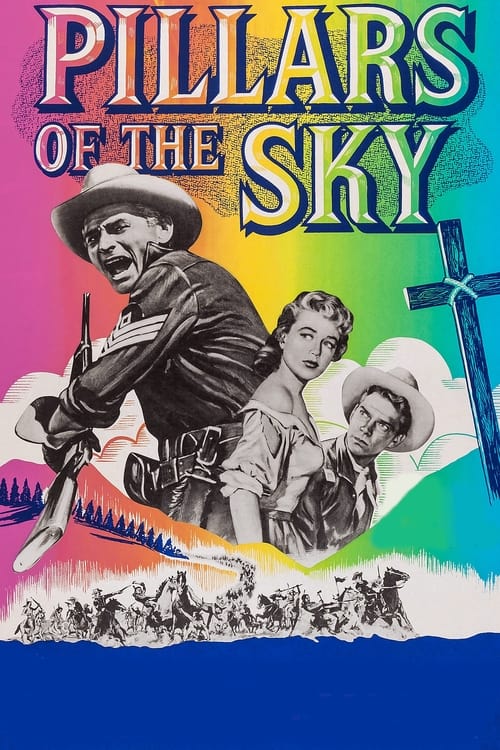
1956
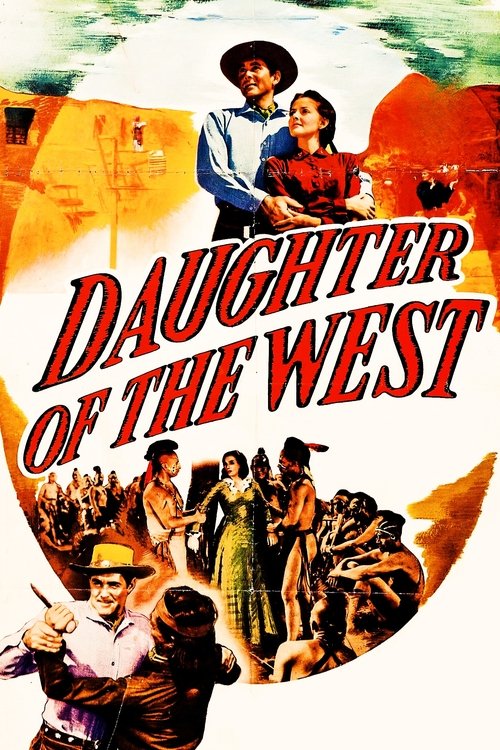
1949
1953
1968
1955
No reviews yet. Be the first to share your thoughts on this movie!
Use the rating form above to leave a star rating and optional review.