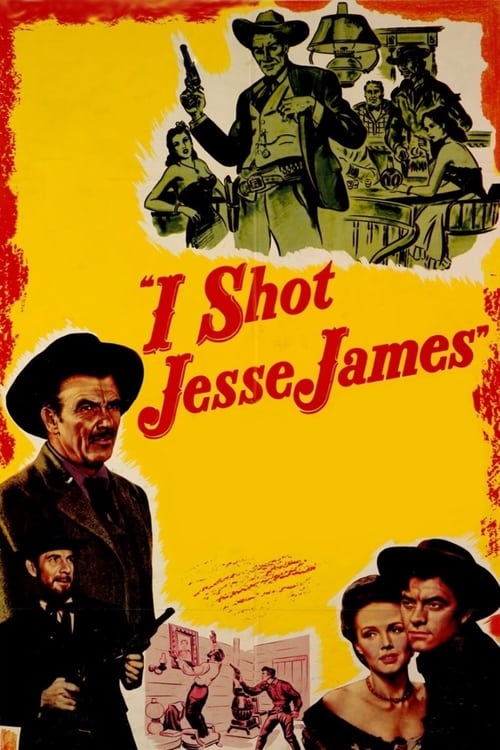
I Shot Jesse James
1949
No user ratings available yet
Diversity score: 1.6 out of 10
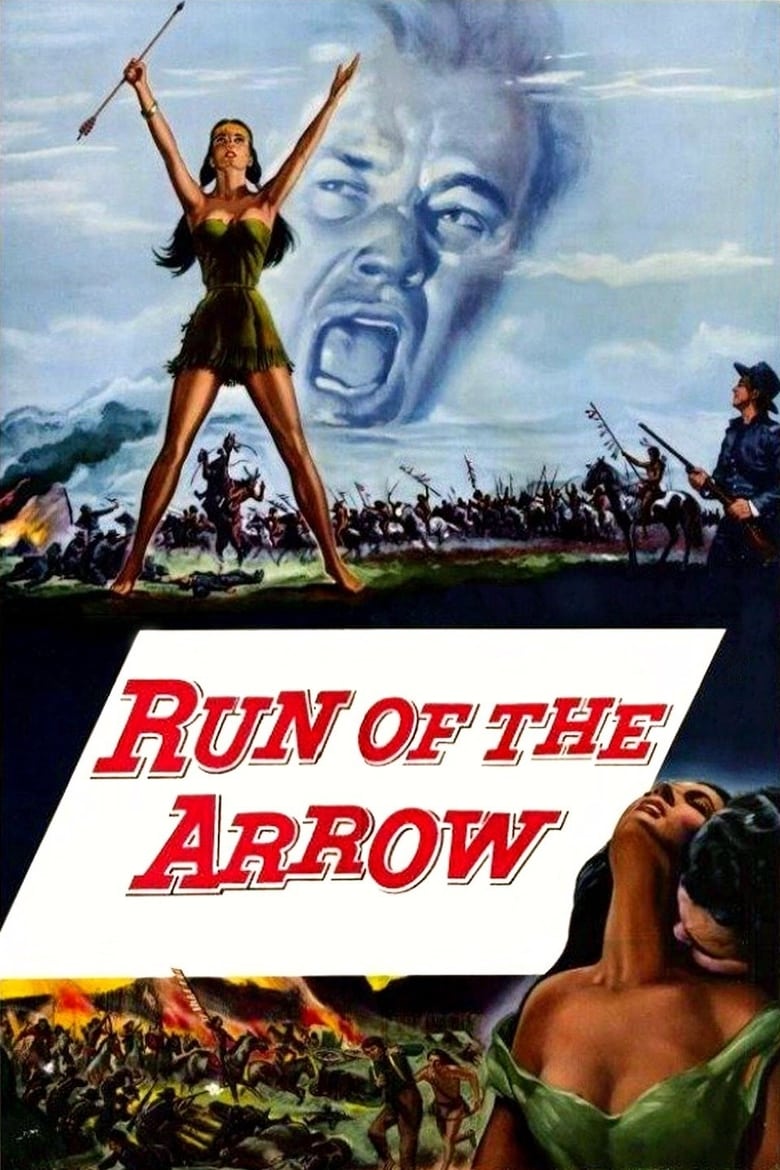
1957
Director
Samuel Fuller
Runtime
86 minutes
Average Rating
No ratings yetSynopsis
When the South loses the war, Confederate veteran O'Meara goes West, joins the Sioux, takes a wife and refuses to be an American but he must choose a side when the Sioux go to war against the U.S. Army.
Overall Score
Fair
Category Breakdown
LGBTQ+ Representation
The film lacks LGBTQ+ characters or explorations of non-heteronormative identities. Interpersonal dynamics focus on traditional romantic pairings typical of 1950s storytelling.
Gender Representation
Female characters primarily serve in domestic or supportive roles as emotional anchors. The narrative structure reinforces traditional mid-century gender hierarchies and roles.
Racial & Ethnic Diversity
The story avoids settler-centric tropes by centering the social structures of a Native American tribe. It portrays the tribe as a complex society with its own agency.
Religious & Cultural Diversity
The film critiques Western expansionist ideals by framing tribal values as sophisticated. It explores the tension between tribal law and U.S. Army authority.
Disability Representation
There are no prominent depictions of physical or neurodivergent disabilities that serve as central narrative elements.
Strengths
Areas for Improvement
AI Analysis
Samuel Fuller’s direction disrupts standard Western archetypes by focusing on a protagonist caught in systemic conflict. The film moves beyond simple settler narratives to explore cultural assimilation and the internal logic of a Native American tribe. While the film engages with post-colonial themes and moral relativism, it remains tethered to the era's social constraints. The lack of queer representation and the reliance on traditional gender roles limit its progressive impact. Ultimately, the film succeeds in presenting a nuanced view of ethnic identity and tribal agency, even as it adheres to mid-century cinematic hierarchies.
1949
1983
1954
1954
1960
1946

1956

1957
1955
1968
1950
1953
No reviews yet. Be the first to share your thoughts on this movie!
Use the rating form above to leave a star rating and optional review.