Geronimo
1939
No user ratings available yet
Representation score: 0.6 out of 10
Representation Score
Limited
1954
NRDirector
Douglas Sirk
Runtime
79 minutes
Average Rating
No ratings yetNew Showbiz Analysis
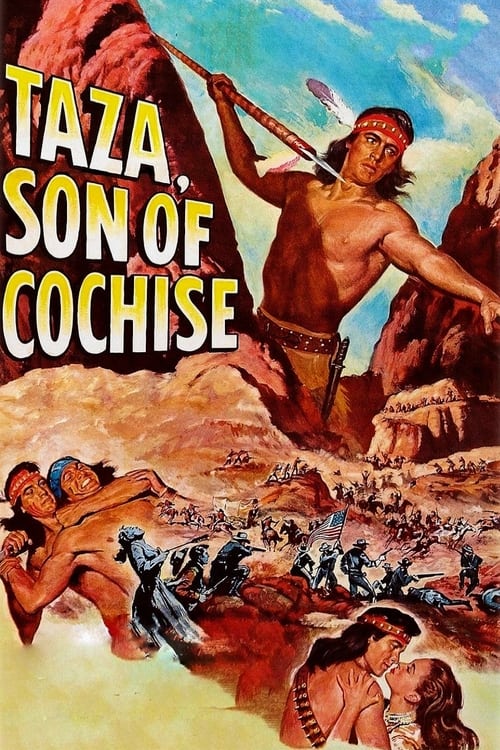
Douglas Sirk’s Western moves beyond typical genre clichés by centering the Apache experience and exploring the internal ideological divisions of the community. By focusing on the tension between diplomacy and warfare, the film provides a more nuanced look at indigenous ability to act compared to many of its contemporaries. However, the film remains anchored in traditional gender roles and patriarchal structures. Female characters often function more as plot devices than fully realized individuals with independent motivations. While the film engages with systemic oppression and the bigotry of the cavalry, it still utilizes some standard antagonistic archetypes. It prioritizes indigenous perspectives over a colonial lens.
Category Breakdown
The film does not include any queer narratives or representations of non-straight identities. The romantic tension revolves around a traditional betrothal between Taza and Oona.
The story emphasizes male-driven political and family conflicts. Oona mainly serves as a catalyst for tension rather than a character with significant influence.
The narrative centers on the experiences of the Chiricahua Apache and their internal political struggles. It avoids the white savior cliché by giving ability to act to the indigenous community.
The film critiques the impact of colonial expansion on indigenous populations and examines the complex transition from traditional warfare to reservation life.
There is no information available regarding the depiction of characters with physical or neurodivergent disabilities.
Present on Screen
Limited or Absent
Official Synopsis
Three years after the end of the Apache wars, peacemaking chief Cochise dies. His elder son Taza shares his ideas, but brother Naiche yearns for war...and for Taza's betrothed, Oona. Naiche loses no time in starting trouble which, thanks to a bigoted cavalry officer, ends with the proud Chiricahua Apaches on a reservation, where they are soon joined by the captured renegade Geronimo, who is all it takes to light the firecracker's fuse...
1939
1966
1950
1965

1953
1960
1954

1950
No reviews yet. Be the first to share your thoughts on this movie!
Use the rating form above to leave a star rating and optional review.