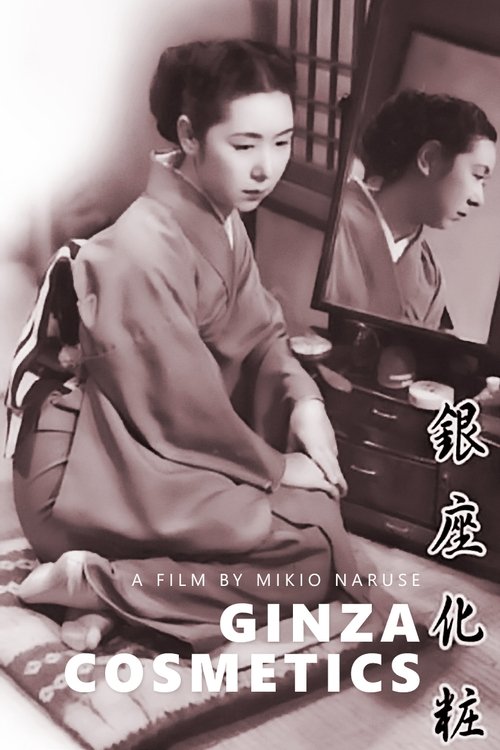
Ginza Cosmetics
1951
No user ratings available yet
Representation score: 5.2 out of 10
Representation Score
Fair
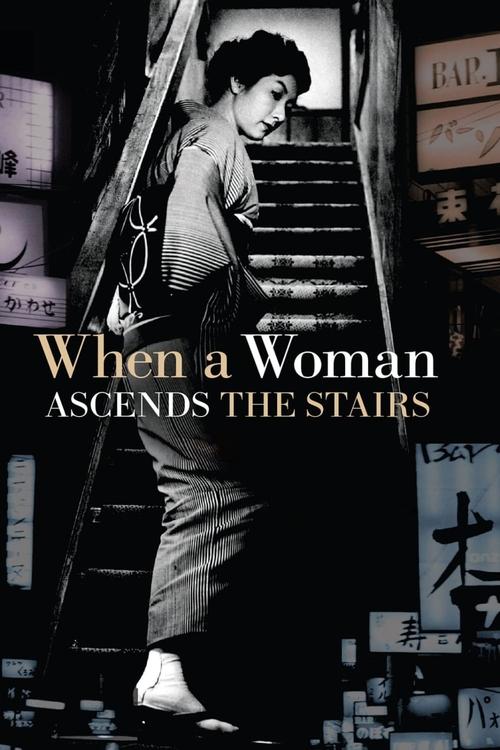
1960
Not RatedDirector
Mikio Naruse
Runtime
111 minutes
Average Rating
No ratings yetNew Showbiz Analysis
Mikio Naruse presents a profound character study focusing on women's ability to drive the story and economic survival. The film challenges the stereotype of the passive victim by depicting Keiko as a woman who navigates a rigid social order with psychological strength. While the narrative is progressive in addressing gender and cultural morality, it lacks racial diversity and LGBTQ+ representation. The film excels in its nuanced critique of traditional domestic and professional structures.
Category Breakdown
There are no LGBTQ+ characters or non-straight relationships in the film.
Keiko is portrayed as a strong female lead who resists submissive stereotypes. The film highlights the tension between her professional skills and the pressures of a patriarchal service industry.
The film depicts a culturally homogeneous Japanese society. It offers an authentic look at the lives of working-class individuals without a Western perspective.
The story critiques traditional morality by showing survival tactics as necessary responses to a capitalist economy. It also portrays the family unit as an economic burden.
There are no visible or invisible disabilities that play a central role in the film.
Present on Screen
Limited or Absent
Official Synopsis
Keiko, whom everyone calls Mama, narrates her story: she's a hostess on the Ginza, 30, a widow. She describes life's vicious cycle: acting cheerful around drunks, dressing and living well to convey confidence, needing money for these expenses and for her demanding mother and brother, and knowing she's growing older.
1951

1956
1962

1951
1954
1970
1956
1957
No reviews yet. Be the first to share your thoughts on this movie!
Use the rating form above to leave a star rating and optional review.