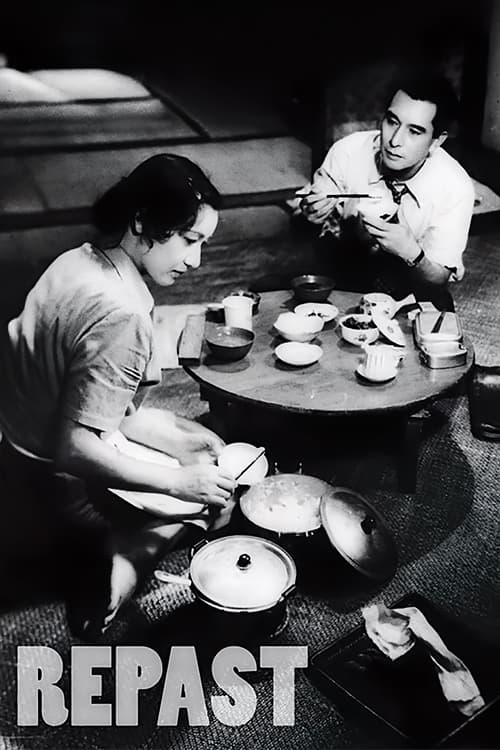
Repast
1951
No user ratings available yet
Representation score: 5.5 out of 10
Representation Score
Limited
1953
Director
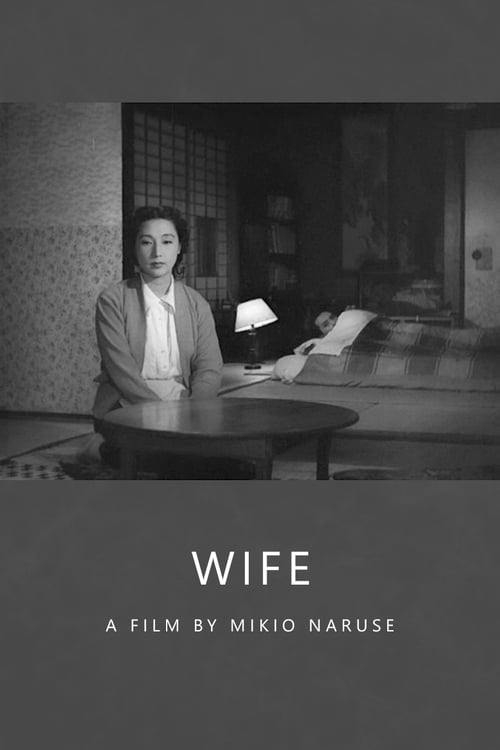
Mikio Naruse
Runtime
96 minutes
Average Rating
No ratings yetNew Showbiz Analysis
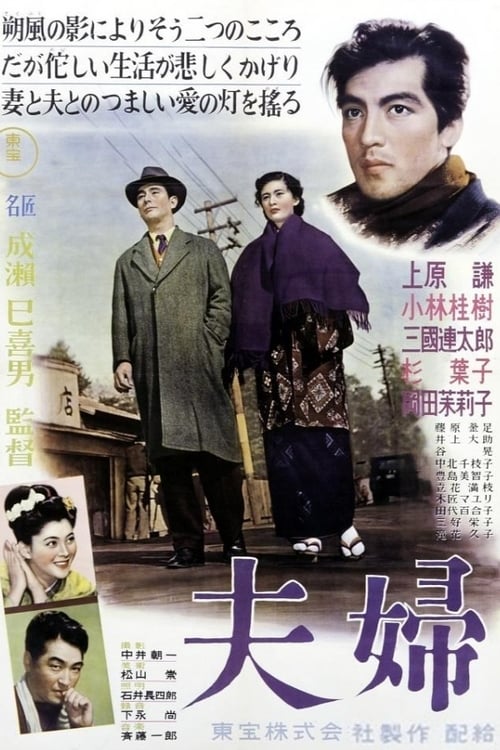
Mikio Naruse’s *Wife* is a naturalist study of domestic friction and socioeconomic exhaustion. It avoids romanticizing marriage, instead focusing on the systemic pressures of post-war Japan. The film's primary strength lies in its refusal to adhere to traditional gender stereotypes. While the film lacks modern LGBTQ+ representation, it offers a sophisticated critique of patriarchal domesticity. It frames the marriage not as a sanctuary, but as a complex and often oppressive social contract. The work is culturally specific and homogeneous, providing historical authenticity but limiting demographic variety. It succeeds most as a deconstruction of gendered power dynamics and the myth of the ideal domestic woman.
Category Breakdown
The film adheres to a strictly heterosexual framework, with no visible depictions of LGBTQ+ identities or queer narratives.
Naruse challenges the submissive female archetype by portraying the protagonist as disagreeable and financially burdened. The film also disrupts traditional masculine hierarchies by depicting the husband as emotionally volatile and unstable.
The cast is culturally homogeneous, reflecting its mid-century Japanese setting. It provides an authentic representation of its specific national context without seeking broader demographic diversity.
The narrative critiques how capitalist pressures for financial success drive marital decay. It portrays the traditional family structure as a psychological burden rather than a pillar of strength.
No characters with visible or invisible disabilities are central to the narrative arc.
Present on Screen
Limited or Absent
Official Synopsis
Ten years into a marriage, the wife is disappointed by the husband's lack of financial success, meaning she has to work and can't treat herself and the husband finds the wife slovenly and mean-spirited: she neither cooks not cleans particularly well and is generally disagreeable. In turn, he alternately ignores her and treats her as a servant. Neither is particularly happy, not helped by their unsatisfactory lodgers. The husband is easily seduced by an ex-colleague, a widow with a small child who needs some security, and considers leaving his wife.
1951
1952
1954
1961
1953
1951
1951

1958
No reviews yet. Be the first to share your thoughts on this movie!
Use the rating form above to leave a star rating and optional review.