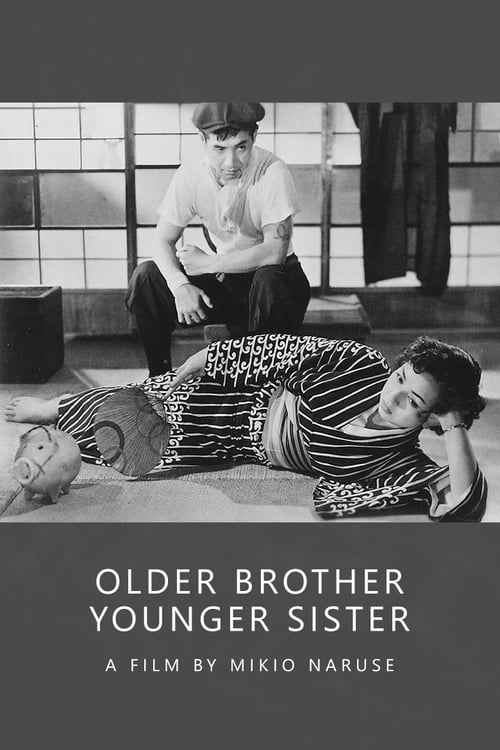
Brother and Sister
1953
No user ratings available yet
Representation score: 7.0 out of 10

Representation Score
Limited
1958
Director
Mikio Naruse
Runtime
128 minutes
Average Rating
No ratings yetNew Showbiz Analysis
Mikio Naruse’s direction provides a sophisticated look at the friction between individual autonomy and restrictive social structures. The film excels by centering female psychological interiority, specifically through a war widow navigating economic and social constraints. While the film lacks LGBTQ+ or multi-ethnic representation, it offers a deep critique of traditionalist agrarianism. It portrays the patriarchal family unit not as a harmonious entity, but as a site of profound conflict and anxiety. Ultimately, the work succeeds in giving real power to its female protagonists, allowing them to navigate moral ambiguity in a way that challenges the rigid social hierarchies of mid-century Japan.
Category Breakdown
The story focuses on heterosexual relationships and the complexities of marriage. There is no evidence of transgender or non-binary identities or queer narratives.
The film challenges traditional gender roles by centering a war widow's struggle for autonomy. Male characters often appear unstable or transactional, while women drive the emotional weight.
As a domestic Japanese production, the cast is homogeneous. It functions as a culturally specific study of post-war identity rather than engaging in interracial dynamics.
The narrative explores the tension between traditional agrarian life and encroaching urban modernity. It critiques the psychological burden of patriarchal family structures and ancestral land obligations.
There are no prominent depictions of visible or invisible disabilities that impact the narrative arc.
Present on Screen
Limited or Absent
Official Synopsis
A war widow with a young boy manages a farm with her bossy mother-in-law. When a reporter comes to interview her, the two begin an affair. He turns out to be married and won't leave his wife. Her older brother tries to marry off his children and hang on to/ extend his farm through an advantageous marriage in the face of threatened land confiscation and the desire of his children to get comfortable urban jobs instead of the backbreaking work in the paddy fields under parental control.
1953

1951
1954

1955
1952
1958
1960

1952
No reviews yet. Be the first to share your thoughts on this movie!
Use the rating form above to leave a star rating and optional review.