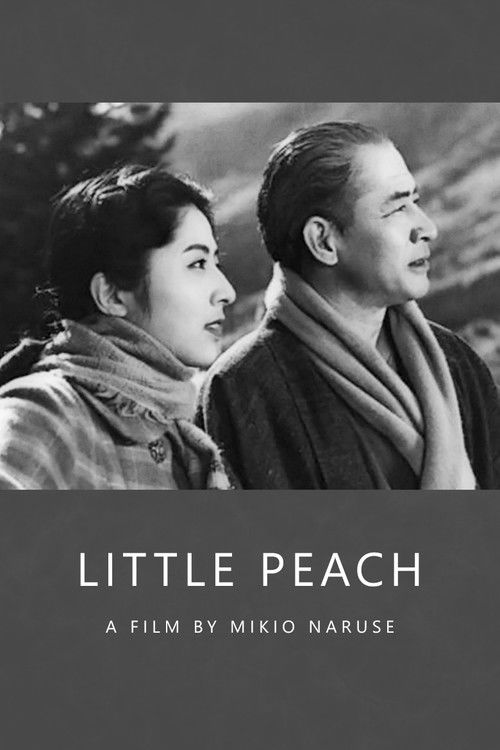
Little Peach
1958
No user ratings available yet
Representation score: 3.5 out of 10
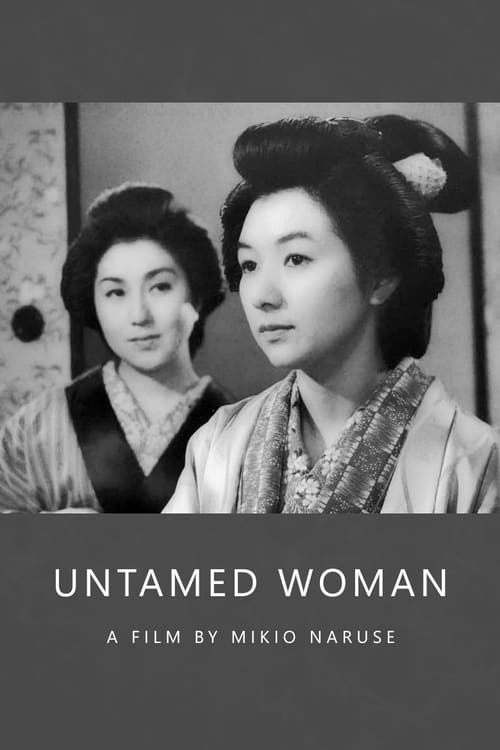
Representation Score
Good
1957
Director
Mikio Naruse
Runtime
121 minutes
Average Rating
No ratings yetNew Showbiz Analysis
Untamed Woman is a character-driven film that challenges traditional gender norms by highlighting female autonomy. However, its impact is limited by its narrow focus on a homogeneous cultural and heterosexual context, offering little representation for LGBTQ+ or diverse racial identities. The film provides a nuanced critique of traditional patriarchal structures and offers a deep psychological insight into the protagonist's experiences.
Category Breakdown
The film does not include any LGBTQ+ characters or identities outside of heterosexual relationships. The plot revolves around the protagonist's various heterosexual romantic relationships and their outcomes.
The film emphasizes the autonomy and independence of the female protagonist. She navigates divorce and career changes while rejecting traditional submissive roles.
The cast is composed of Japanese actors representing a specific cultural period. The film maintains authenticity within its setting but does not seek to diversify beyond its immediate context.
The narrative critiques traditional social institutions and patriarchal norms in post-war Japan. It prioritizes psychological realism and individual truth over strict institutional morality.
The story addresses the trauma of a stillborn child but does not explore disability as a central identity or driver of character actions.
Present on Screen
Limited or Absent
Official Synopsis
A woman marries, gives birth to a stillborn child, and divorces, falls in love with a hotel-keeper, only to find herself subordinated to his drive for success, takes up with a tailor who cannot console himself with her strong personality.
1958

1960

1952

1951
1954
1951
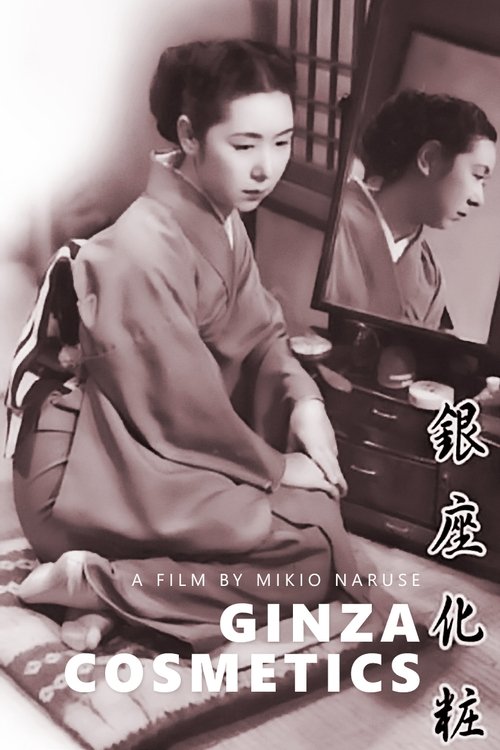
1951
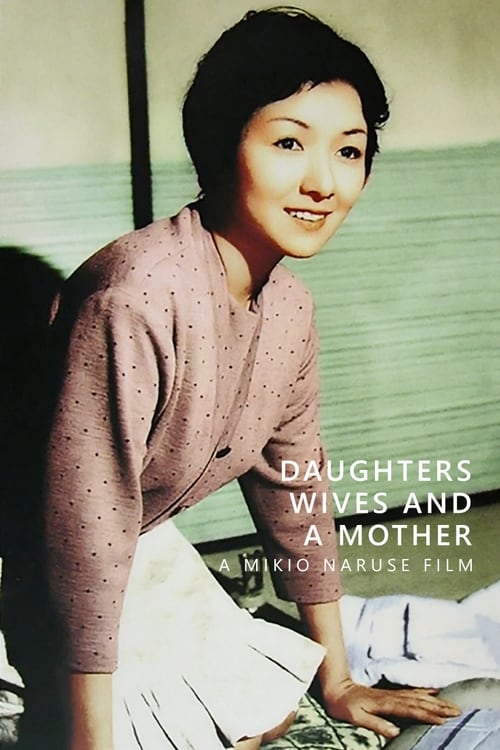
1960
No reviews yet. Be the first to share your thoughts on this movie!
Use the rating form above to leave a star rating and optional review.