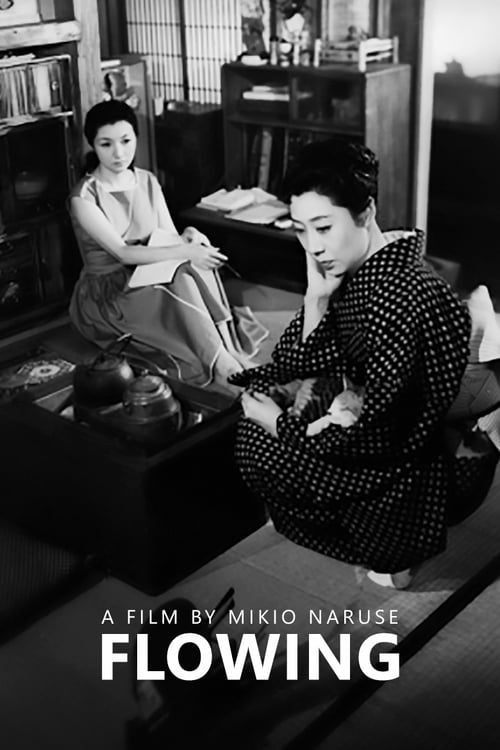
Flowing
1956
No user ratings available yet
Representation score: 3.3 out of 10
Representation Score
Limited
1954
Director
Mikio Naruse
Runtime
101 minutes
Average Rating
No ratings yetNew Showbiz Analysis
Mikio Naruse’s drama is a sophisticated study of gendered experience and social transience. By centering women who have transitioned from objects of desire to figures of economic influence, the film disrupts conventional expectations of female passivity. The work achieves progressive value through its focus on female empowerment and its critique of the emotional costs of traditional social roles. It refuses to romanticize the domestic sphere, offering instead a somber deconstruction of the structures governing women's lives. While the film lacks modern markers like LGBTQ+ visibility or disability representation, it remains a powerful exploration of womanhood and systemic social pressures.
Category Breakdown
The film does not include any LGBTQ+ characters or non-straight relationships. The interpersonal dynamics focus on traditional romantic pursuits and past heterosexual relationships.
The story centers on female experiences and the economic realities of retired Geisha. Kin demonstrates a strong role in the narrative as a powerful money-lender, challenging the idea of female dependence.
The cast is culturally uniform, reflecting the social realities of 1950s Japan. It offers an authentic look at Japanese social layers during the post-war period.
Traditional structures like the Geisha system are shown as sources of emotional strain. The film avoids idealized morality, focusing instead on the practical need for survival through financial means.
There are no prominent depictions of physical or neurodivergent disabilities within the narrative.
Present on Screen
Limited or Absent
Official Synopsis
What is the life of a Geisha like once her beauty has faded and she has retired? Kin has saved, and become a wealthy money-lender, spending her days coldly collecting debts. Even her best friends, fellow Geisha Tomi, Nobu, and Tamae, are now indebted to her. For all of them, the glamour of their young lives has passed; Tomi and Tamae have disappointing children. Kin has two former lovers who still pursue her; one she wants to see, and the other she doesn't. But even the one she remembers fondly, when he shows up, proves less than satisfactory.
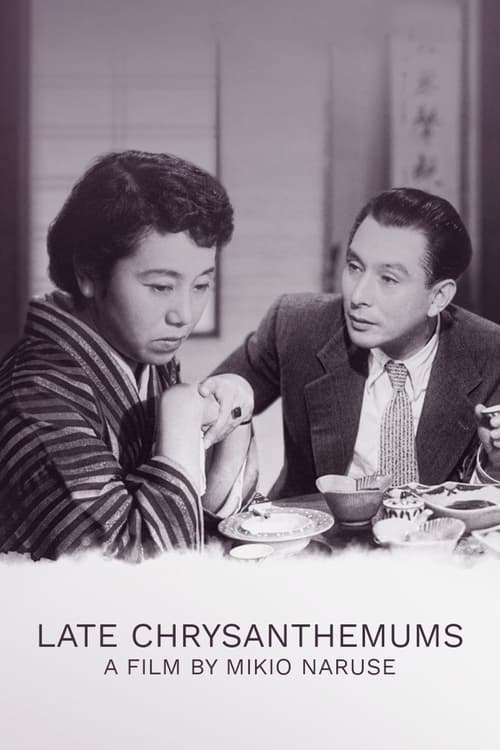
1956

1960
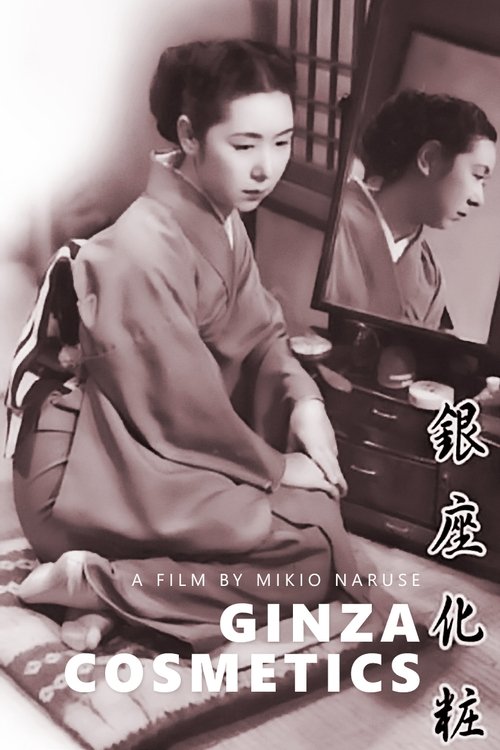
1951
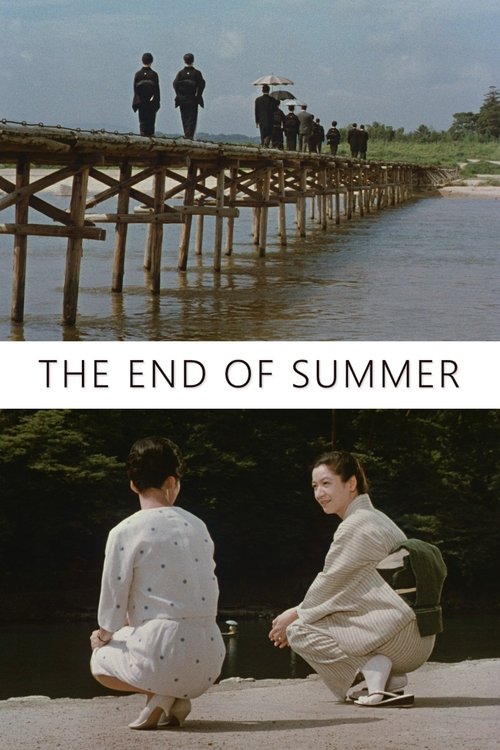
1961
1933
1958
1962
1953
No reviews yet. Be the first to share your thoughts on this movie!
Use the rating form above to leave a star rating and optional review.