
Falling Camellia
2018
No user ratings available yet
Diversity score: 3.1 out of 10
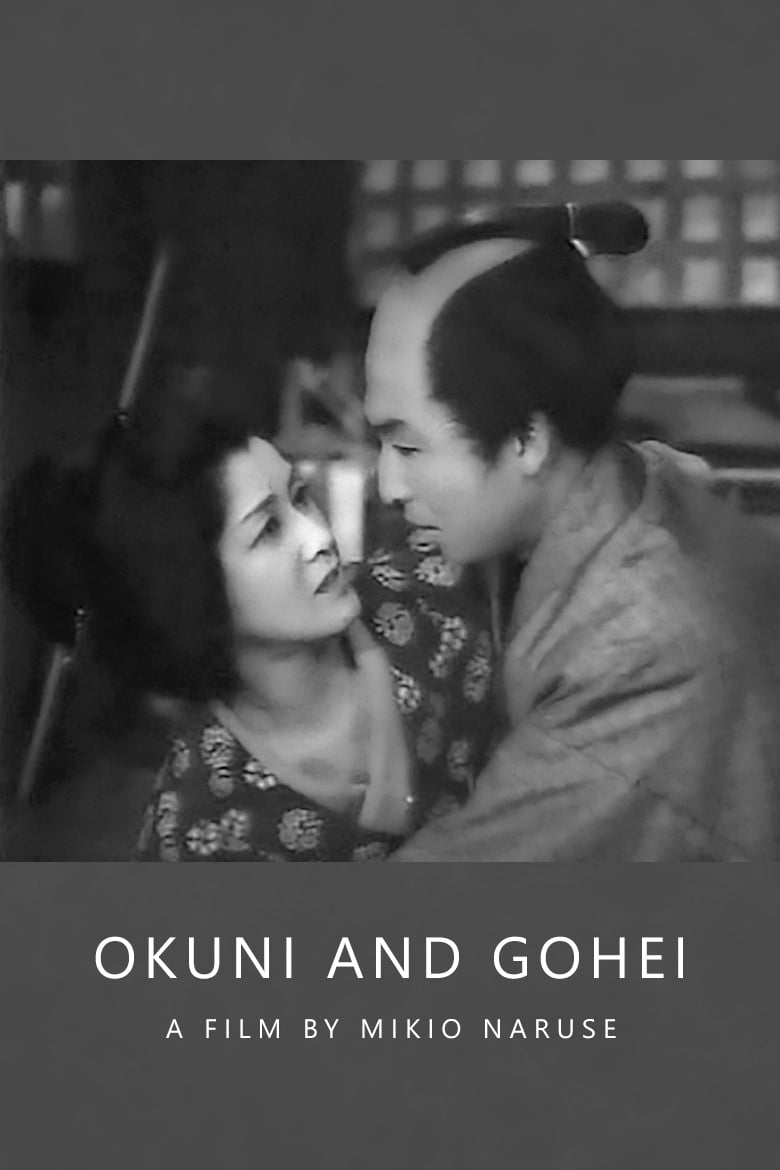
1952
Director
Mikio Naruse
Runtime
91 minutes
Average Rating
No ratings yetSynopsis
A high-born woman named Okuni travels around the country with Gohei, a samurai retainer who is in service to her. They are in search of Tomonojo, who has killed the man who was Okuni’s husband and Gohei’s master, and they cannot return to their lord’s home until they have fulfilled their duty of hunting down and killing Tomonojo.
Overall Score
Limited
Category Breakdown
LGBTQ+ Representation
The film adheres strictly to the social mores of the Edo period. There are no depictions of non-heteronormative identities or same-sex intimacy.
Gender Representation
Okuni navigates a patriarchal hierarchy where her agency is limited by her social station. The film highlights the systemic friction women face when asserting autonomy.
Racial & Ethnic Diversity
The cast is culturally homogeneous, reflecting the demographic reality of historical Japan. It avoids whitewashing by maintaining an authentic, era-specific focus.
Religious & Cultural Diversity
The narrative critiques the weight of social obligation and class disparity. It explores the friction between individual desire and rigid Edo-period structures.
Disability Representation
The story does not feature significant focus on visible or invisible disabilities. Character arcs center on socioeconomic and gendered struggles instead.
Strengths
Areas for Improvement
AI Analysis
Mikio Naruse uses a historical setting to examine the tension between individual personhood and rigid social roles. The film provides a nuanced look at how class and gendered limitations shape human experience within a specific era. While the film lacks modern intersectional diversity or representation of non-heteronormative identities, it offers a sophisticated critique of systemic social stratification. It prioritizes the internal struggles of characters navigating an inflexible social order. The work is grounded in historical reality, focusing on the friction between personal agency and traditional institutions rather than modern identity politics.
2018
1959
1958
2014
1966
1945
1959
1954
1960
1967
1957
1963
No reviews yet. Be the first to share your thoughts on this movie!
Use the rating form above to leave a star rating and optional review.