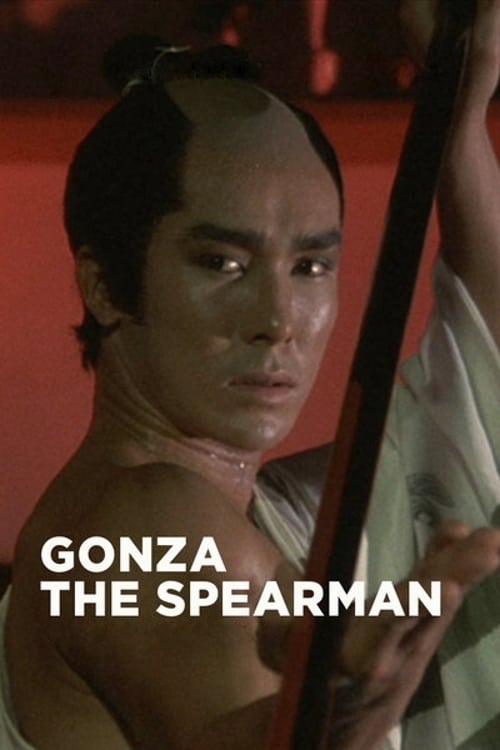
Gonza the Spearman
1986
No user ratings available yet
Diversity score: 4.1 out of 10
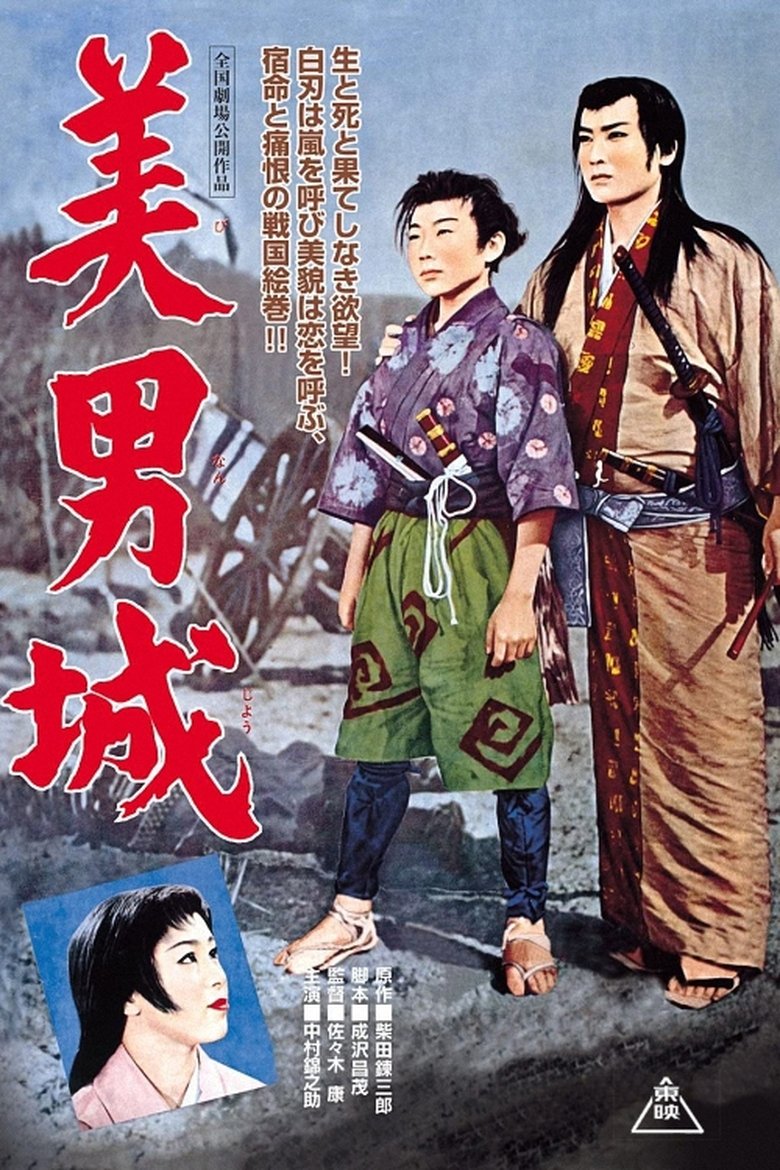
1959
Director
Yasushi Sasaki
Runtime
93 minutes
Average Rating
No ratings yetSynopsis
From an original story by Shibata Renzaburo, the novelist who created such classics as: the "Nemuri Kyoshiro" series (Son of the Black Mass), "Destiny’s Son" etc. comes the complex story exploring the mystery behind why Ino Morimasa betrayed his sworn brother Ishida Mitsunari, thus leading to the defeat of the Toyotomi at the Battle of Sekigahara. Starring Nakamura Kinnosuke in one of the strongest performances of his career as Ino's estranged son seeking justice. Originally known as "The Forbidden Castle".
Overall Score
Fair
Category Breakdown
LGBTQ+ Representation
The film lacks explicit queer narratives or non-heteronormative identities. It focuses instead on intense masculine bonds and feudal loyalty between sworn brothers.
Gender Representation
The story centers on a patriarchal framework of lineage and honor. It emphasizes male-dominated political upheaval and the pursuit of justice by an estranged son.
Racial & Ethnic Diversity
The cast is ethnically homogeneous, reflecting the specific Japanese historical setting. It prioritizes cultural authenticity over intersectional racial blending.
Religious & Cultural Diversity
The narrative explores the volatility of power and political betrayal. It remains within the bounds of traditional historical storytelling without modern ideological subversion.
Disability Representation
There is no evidence of characters navigating physical or neurodivergent disabilities within the story.
Strengths
Areas for Improvement
AI Analysis
The Forbidden Castle is a traditional jidaigeki that prioritizes historical authenticity and classical themes of honor over modern social complexity. The narrative is built around a patriarchal structure, focusing on male lineage and the political consequences of betrayal during the Sekigahara period. While the source material offers a nuanced look at moral ambiguity, the film lacks intersectional representation. The focus remains on a homogeneous cast and traditional gender roles characteristic of 1950s historical cinema. Ultimately, the film functions as a period piece that explores the weight of legacy and justice through a strictly historical lens.
1986
1963
1958
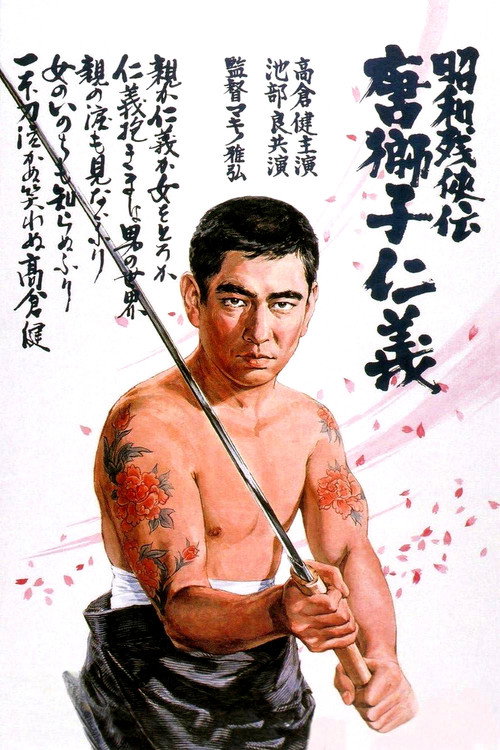
1969
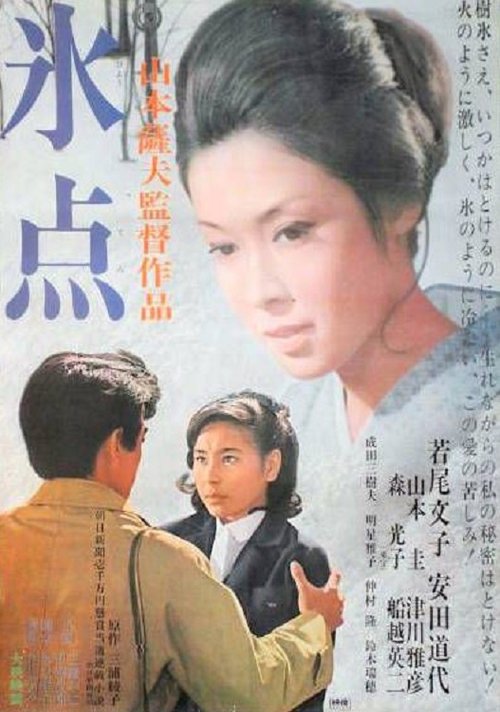
1966
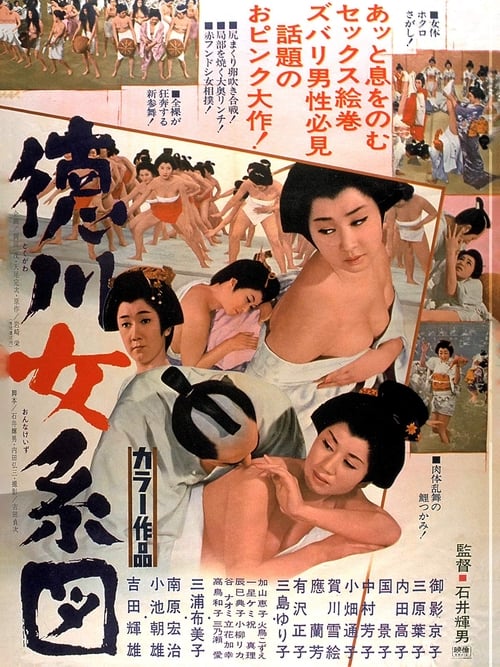
1968

1989
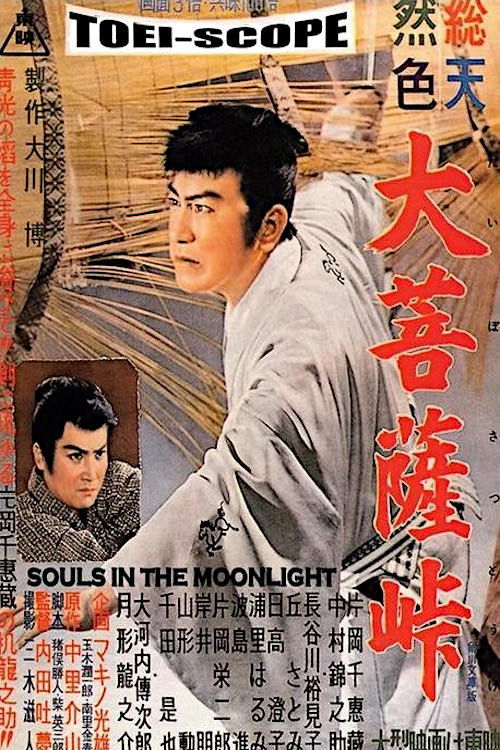
1957
1945
1965
1960

2018
No reviews yet. Be the first to share your thoughts on this movie!
Use the rating form above to leave a star rating and optional review.