A Question of Suspense
1961
No user ratings available yet
Representation score: 1.9 out of 10
Representation Score
Fair
1966
Director
Mikio Naruse
Runtime
95 minutes
Average Rating
No ratings yetNew Showbiz Analysis
Mikio Naruse utilizes his expertise in domestic drama to deconstruct class and gender hierarchies. The film moves beyond simple melodrama by centering a female protagonist who actively challenges the moral authority of the upper class. While the film lacks racial or LGBTQ+ diversity, it finds depth in its critique of systemic injustice. The protagonist's descent into vengeance serves as a powerful commentary on the failures of the social contract and the corruption within corporate structures. Ultimately, the film's strength lies in its sophisticated portrayal of women's ability to drive the story and its willingness to explore moral ambiguity within a rigid social framework.
Category Breakdown
The film focuses on traditional family structures such as marriage and motherhood. There are no representations of LGBTQ+ identities or perspectives.
The story centers on a working-class woman who actively drives the plot rather than being a passive character. She challenges submissive stereotypes by becoming a calculated agent of revenge against a patriarchal household.
As a 1966 Japanese production, the film depicts a culturally homogeneous society. It uses class differences to examine systemic inequality and social identity.
The narrative critiques established institutions and the corruption of the corporate elite. It frames the protagonist's actions as a response to a broken social contract.
The provided information contains no documentation regarding the portrayal of physical or mental disabilities.
Present on Screen
Limited or Absent
Official Synopsis
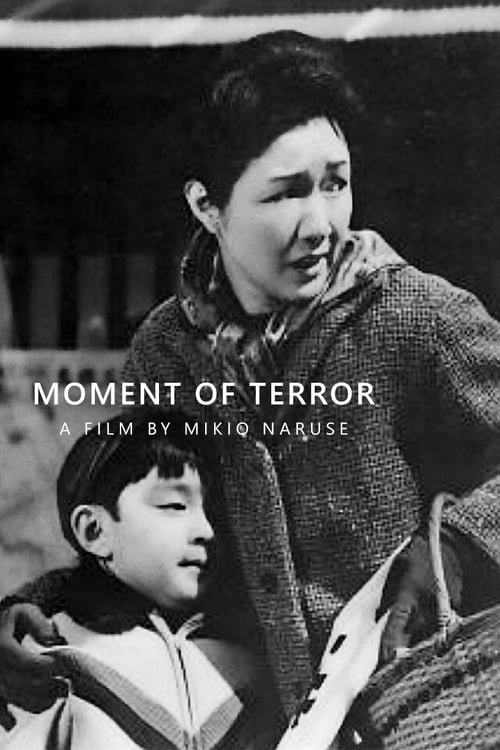
When the only son of a working class woman is fatally struck by a car driven by the adulterous wife of a company president in a hit-and-run, the victim's mother changes her identity and infiltrates the couple's home to work as their maid, plotting to murder their similarly-aged son.
1961

1960

1975

1958
1946

1947
1966

2019
No reviews yet. Be the first to share your thoughts on this movie!
Use the rating form above to leave a star rating and optional review.