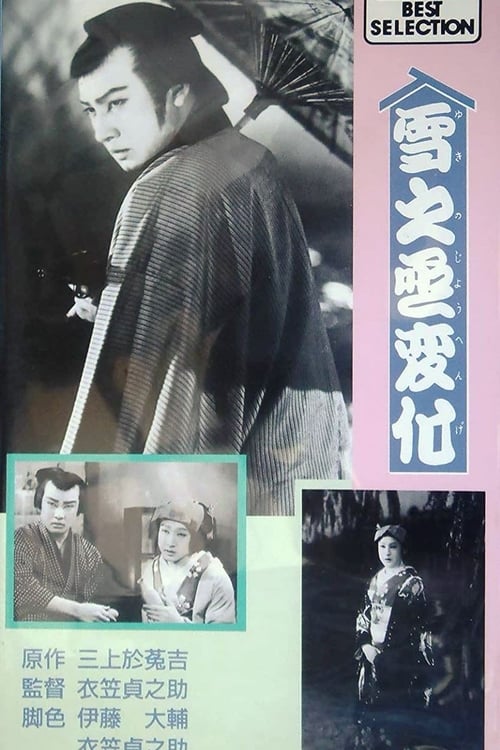
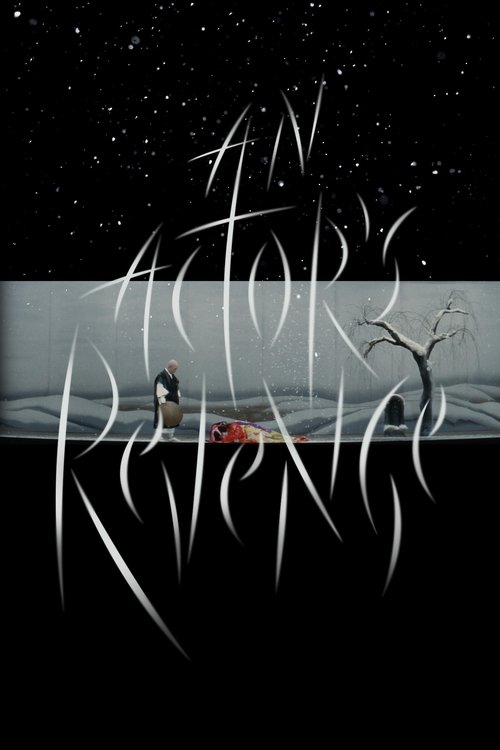
An Actor's Revenge
1935
No user ratings available yet
Representation score: 5.0 out of 10
Representation Score
Fair
1963
Not RatedDirector
Kon Ichikawa
Runtime
114 minutes
Average Rating
No ratings yetNew Showbiz Analysis
Kon Ichikawa’s drama uses the stylized world of kabuki to move beyond simple binary morality. By focusing on an actor navigating a rigid social structure, the film explores how identity is performed and contested. The film successfully uses its historical setting to critique institutional justice and social hierarchies. It offers a sophisticated look at how individuals exist outside of state-sanctioned righteousness. However, the film is limited by its historical context, resulting in a lack of modern demographic diversity. The focus remains strictly within the cultural boundaries of Edo-period Japan.
Category Breakdown
The film uses the kabuki tradition to explore themes of gender performance and identity. Although it doesn't include explicit contemporary LGBTQ+ storylines, the setting allows for subtle exploration of non-traditional gender identities.
The plot follows a masculine revenge cliché, but the kabuki framework challenges traditional gender hierarchies. The stage's artificial nature provides a space to subvert traditional masculine and feminine roles.
Set in Edo Japan, the film depicts a culturally homogeneous society. It avoids harmful racial stereotypes but lacks diverse ethnic representation due to its historical setting.
The narrative critiques established social hierarchies by framing personal vengeance against systemic corruption. It challenges the idea of traditional authority as inherently righteous through a lens of moral relativism.
There is no discernible evidence regarding the portrayal of physical or neurodivergent disabilities within the narrative.
Present on Screen
Limited or Absent
Official Synopsis
In Edo Japan, a kabuki actor seeks revenge against the three men who drove his parents to their deaths years ago.
1935

1960
1960

1973
1958
1980
1941
1972
No reviews yet. Be the first to share your thoughts on this movie!
Use the rating form above to leave a star rating and optional review.