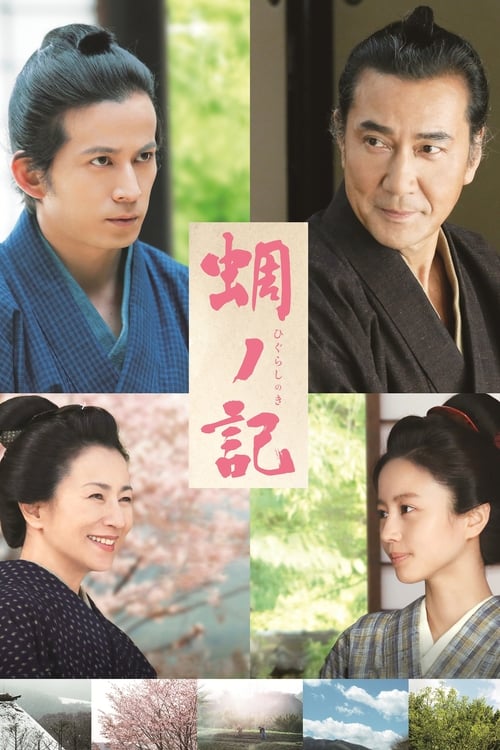
A Samurai Chronicle
2014
No user ratings available yet
Representation score: 1.3 out of 10

Representation Score
Minimal
2018
Director
Daisaku Kimura
Runtime
111 minutes
Average Rating
No ratings yetNew Showbiz Analysis
Falling Camellia is a traditional period drama that operates within established historical hierarchies. While the protagonist challenges clan misconduct, the story's structure remains conservative. The film relies on conventional motivators, such as a wife's dying wish, to drive the plot. This reinforces traditional social structures rather than subverting them. Ultimately, the work functions as a standard chanbara piece, prioritizing historical authenticity and patriarchal dynamics over diverse representation.
Category Breakdown
The film portrays a traditional marriage between a swordsman and his wife, focusing on a heterosexual relationship. There are no depictions of LGBTQ+ identities or narratives that challenge traditional sexual orientations.
The story revolves around a male protagonist whose actions define the plot. While the wife's deathbed wish drives the narrative, she remains a passive figure rather than an active agent.
Set in Edo-period Japan, the film maintains a homogeneous cast. It adheres strictly to historical context without introducing diverse casting to break the era's expected norms.
The narrative explores the tension between personal morality and institutional loyalty. However, the plot is driven by traditional concepts of duty and family obligations.
The synopsis does not mention any characters dealing with physical, sensory, or neurodivergent conditions.
Present on Screen
Limited or Absent
Official Synopsis
During the Edo period, a gifted swordsman was exiled from his clan when he questioned the misconduct of his leader. Years after, his dying wife wish was for him to go back to his clan.
2014
1952
2019
2003
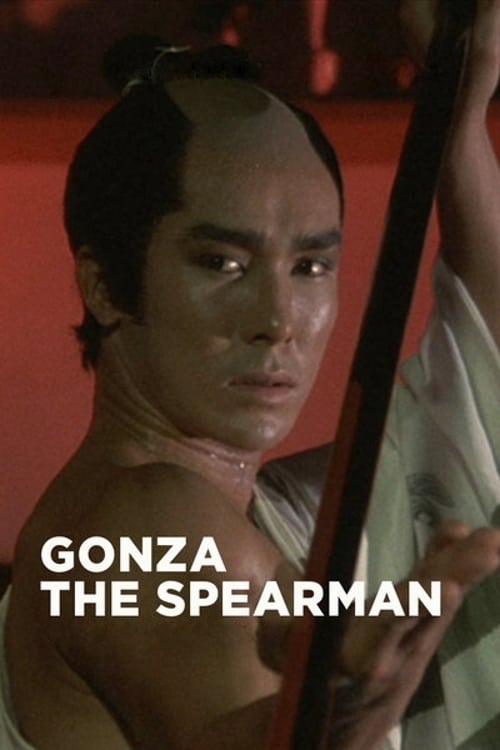
1986
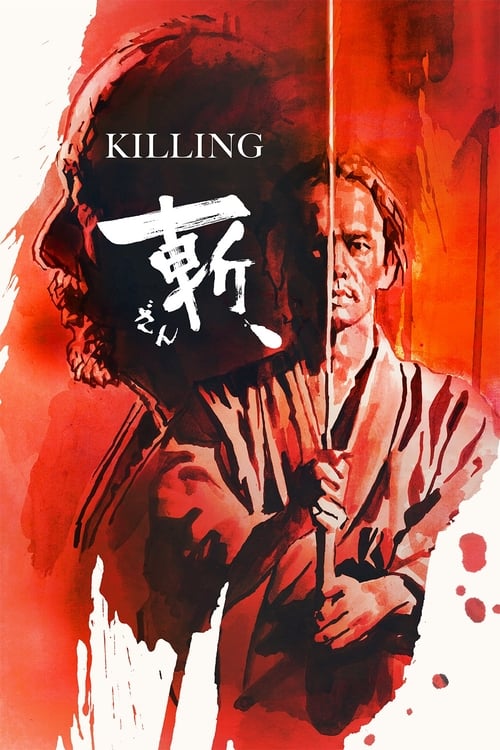
2018
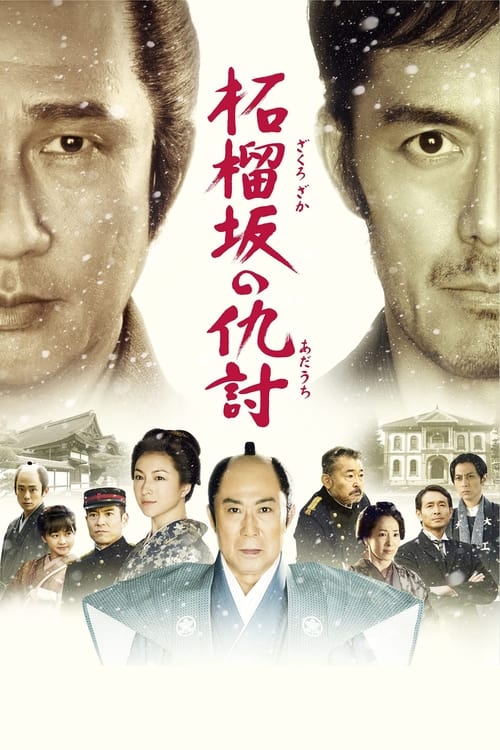
2014
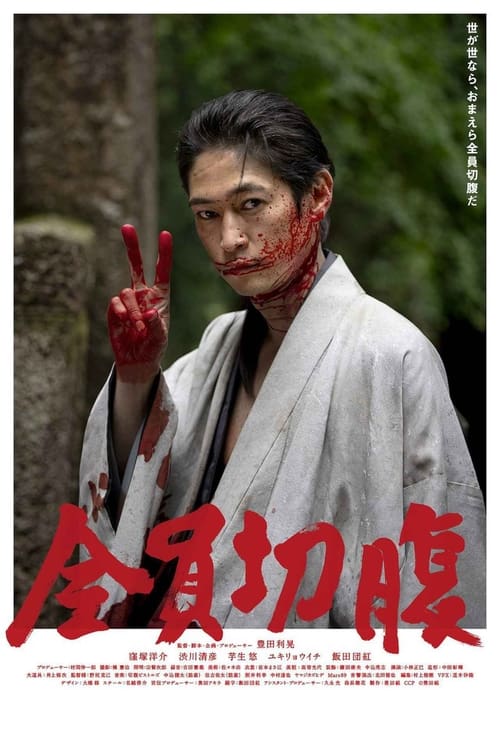
2021
No reviews yet. Be the first to share your thoughts on this movie!
Use the rating form above to leave a star rating and optional review.