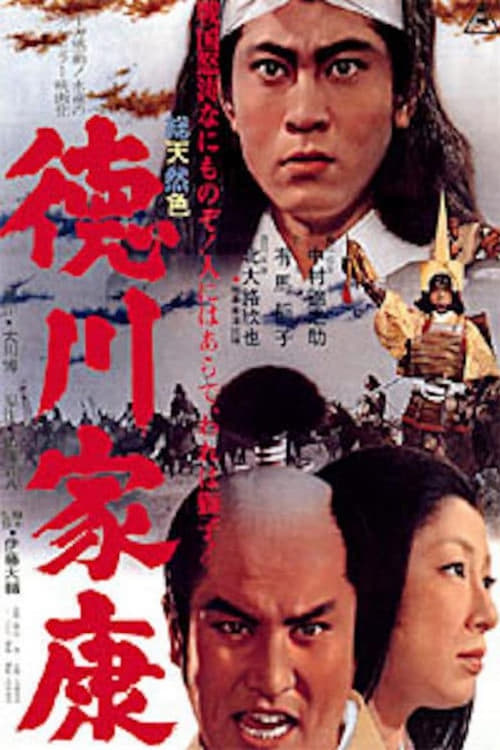
Lord Tokugawa Ieyasu
1965
No user ratings available yet
Representation score: 2.2 out of 10
Representation Score
Limited
1967
NRDirector
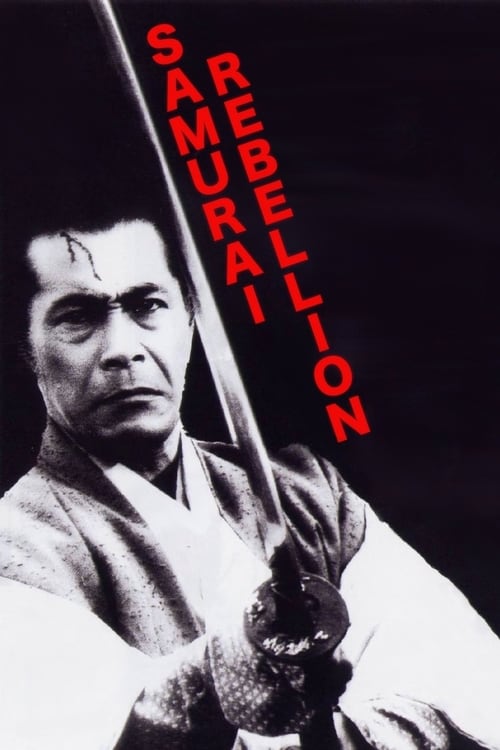
Masaki Kobayashi
Runtime
121 minutes
Average Rating
No ratings yetNew Showbiz Analysis
Masaki Kobayashi’s direction turns a historical drama into a sophisticated critique of systemic authority. The film’s strength lies in its subversion of the 'noble warrior' myth, showing traditional social contracts as forms of systemic cruelty. Though limited by the patriarchal and straight-centered structures of its time, the film finds progressive value in its moral stance, prioritizing individual ethics over the rigid laws of a morally bankrupt state. Ultimately, the work serves as a study of power, using the rigid hierarchies of the samurai caste to challenge the absolute truths of state-mandated traditions.
Category Breakdown
The film is set in 17th-century Edo-period Japan and does not depict any queer narratives or non-binary gender identities.
The narrative centers around a patriarchal society where male characters within the samurai hierarchy hold nearly all the power and control.
The cast is ethnically uniform due to the feudal Japanese setting. However, the film examines systemic inequalities through the lens of strict class divisions and economic disparities.
The film provides a deep look into the Bushido code and ritualistic practices, framing traditional institutions as tools of state control rather than spiritual necessities.
There are no significant depictions of physical or neurodivergent disabilities in the narrative.
Present on Screen
Limited or Absent
Official Synopsis
The mother of a feudal lord's only heir is kidnapped by the lord. Her husband and his samurai father must decide whether to accept the unjust decision, or risk death to rescue her.
1965

1964
1963
1953
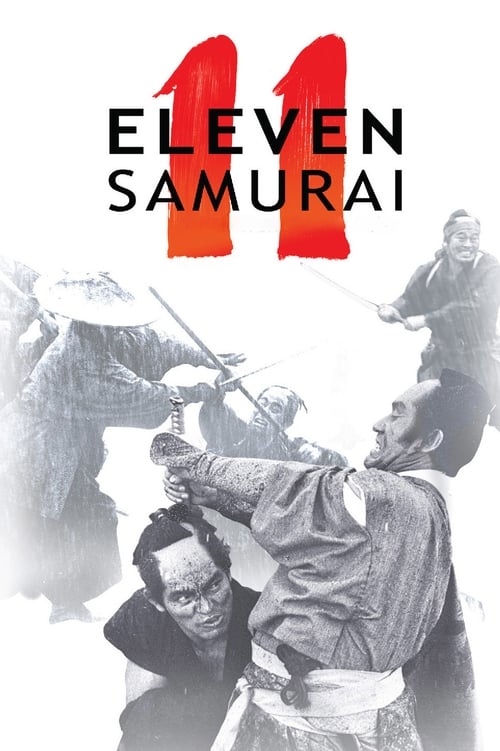
1967

1980

1962
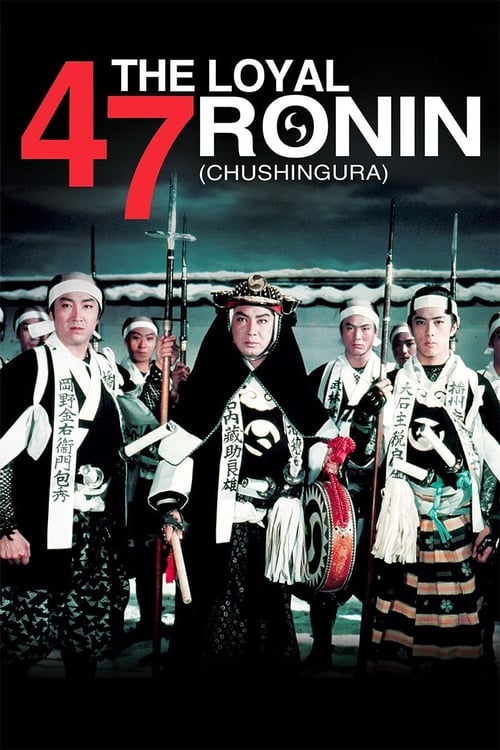
1958
No reviews yet. Be the first to share your thoughts on this movie!
Use the rating form above to leave a star rating and optional review.