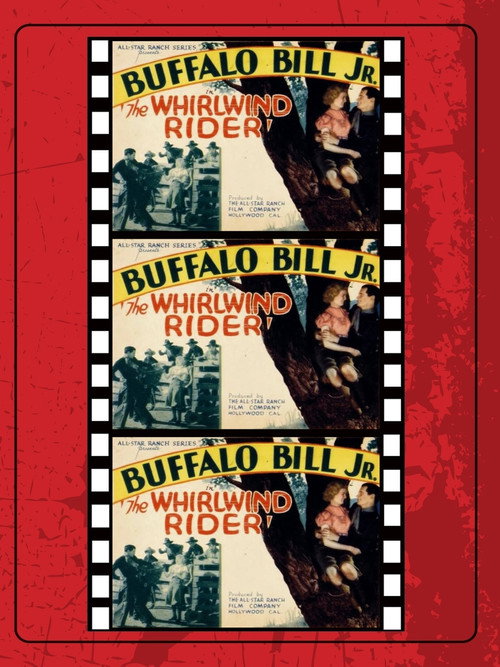
The Whirlwind Rider
1934
No user ratings available yet
Diversity score: 1.8 out of 10

1935
ApprovedDirector
Robert J. Horner
Runtime
55 minutes
Average Rating
No ratings yetSynopsis
Bill Collins has a look alike the Phantom who beats Houston robbery plan. However the Phantom is shot by Houston’s men. Bill finding him dying isn’t aware that Houston is just about the get him too…
Overall Score
Limited
Category Breakdown
LGBTQ+ Representation
The film adheres to the heteronormative standards of the mid-1930s. There is no indication of same-sex intimacy or non-cisnormative gender identities within the narrative.
Gender Representation
The story centers on male-driven conflict between characters like Bill Collins and Houston. Female roles are not detailed, suggesting they likely occupy passive or domestic positions.
Racial & Ethnic Diversity
The production conforms to the homogeneous racial norms of its era. It lacks evidence of a non-white majority cast or diverse ethnic representation.
Religious & Cultural Diversity
The plot operates within a framework of individualistic heroism and traditional Western morality. It does not critique institutions like capitalism or frontier justice.
Disability Representation
There is no evidence of characters with visible or invisible disabilities in this production.
Strengths
Areas for Improvement
AI Analysis
The Phantom Cowboy is a conventional 1930s Western that relies heavily on established genre tropes. The narrative architecture is built around masculine conflict, identity, and frontier justice, which reinforces the social hierarchies of its time. Because the film follows the standard Western formula, it lacks intentionality regarding intersectional storytelling. It functions as a period-typical piece that prioritizes individualistic heroism over social or cultural critique. Ultimately, the film reflects the conservative cinematic norms of the mid-1930s, offering little in the way of diverse perspectives or subversion of traditional roles.
1934
1930
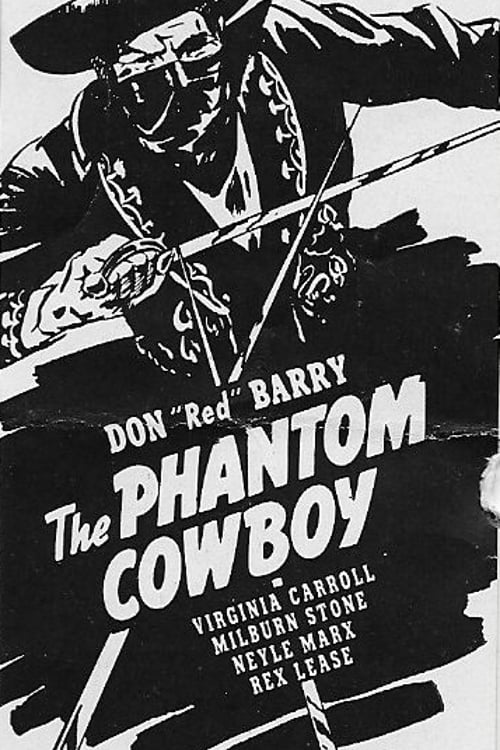
1941
1929
1918
1939
1930
1922
1936
1953
1930
1932
No reviews yet. Be the first to share your thoughts on this movie!
Use the rating form above to leave a star rating and optional review.