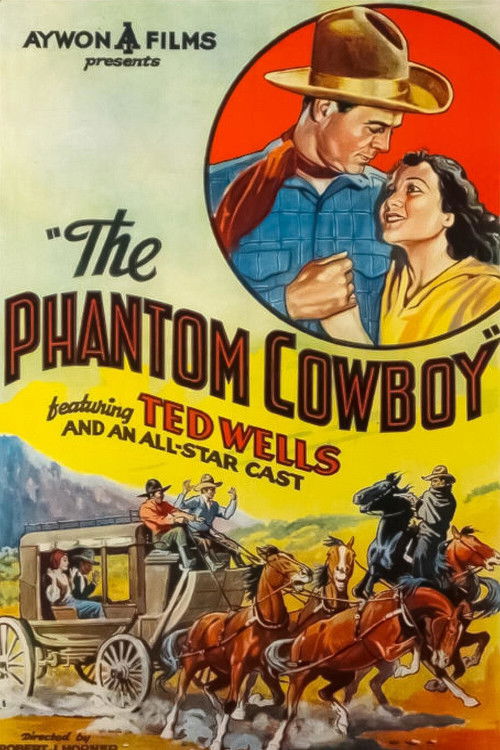
The Phantom Cowboy
1935
No user ratings available yet
Diversity score: 2.7 out of 10
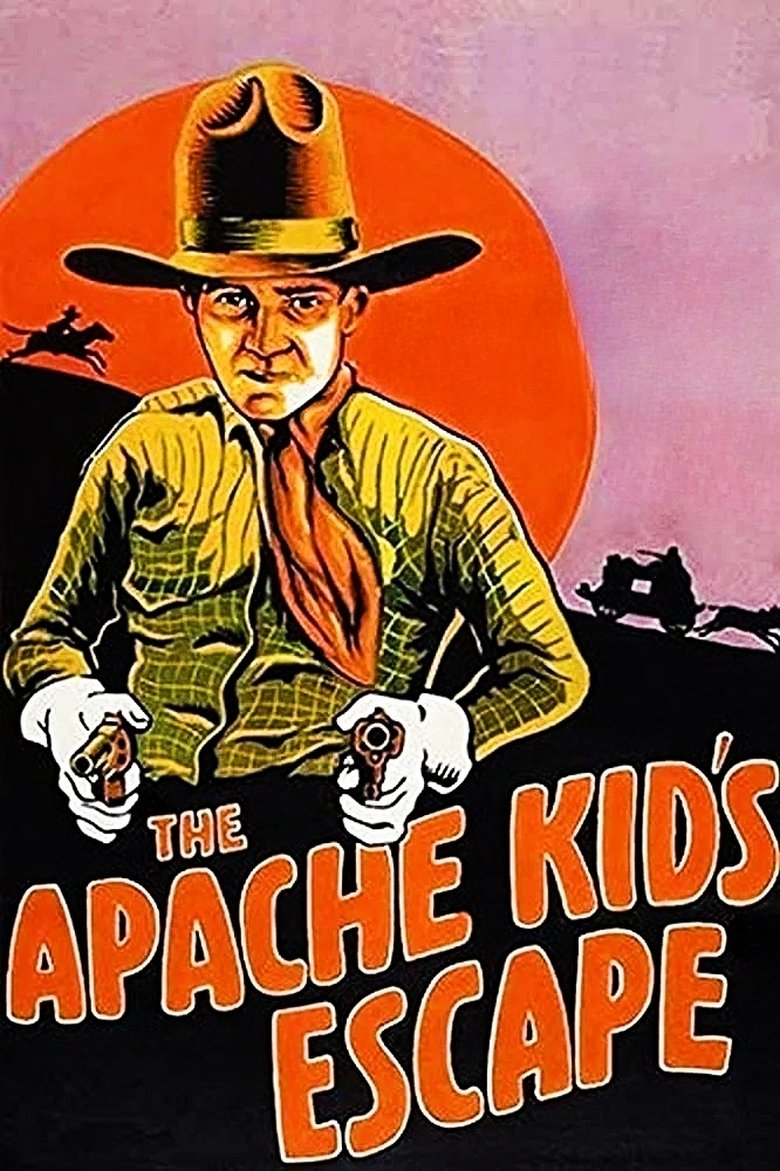
1930
PassedDirector
Robert J. Horner
Runtime
47 minutes
Average Rating
No ratings yetSynopsis
A former outlaw eludes the authorities by masquerading as a cowboy.
Overall Score
Minimal
Category Breakdown
LGBTQ+ Representation
The film contains no evidence of non-cisnormative identities or same-sex intimacy. It follows a traditional heteronormative framework typical of early Western cinema.
Gender Representation
The narrative likely prioritizes masculine agency through the outlaw and cowboy archetypes. There is no indication of female characters subverting traditional patriarchal structures.
Racial & Ethnic Diversity
While the title suggests Apache presence, the film likely relies on reductive tropes. It lacks nuanced portrayals or deep character development for Indigenous figures.
Religious & Cultural Diversity
The story centers on classic frontier justice and the conflict between outlaws and legal authorities. It reinforces traditional Western institutions rather than critiquing them.
Disability Representation
There is no documented evidence of characters with visible or invisible disabilities. Disability is absent from the narrative framework.
Strengths
Areas for Improvement
AI Analysis
The Apache Kid's Escape functions as a standard genre piece that adheres to the social hierarchies of 1930. It relies on established Western tropes, focusing on individualistic outlaws and traditional law and order. The film lacks intentionality in disrupting conventional expectations regarding race, gender, or cultural power dynamics. Its narrative architecture reinforces period-typical structures rather than offering nuanced or subversive perspectives. Ultimately, the production reflects the era's conventional filmmaking standards, providing a baseline of non-Anglo-Saxon presence through its title without offering significant depth or systemic critique.
1935
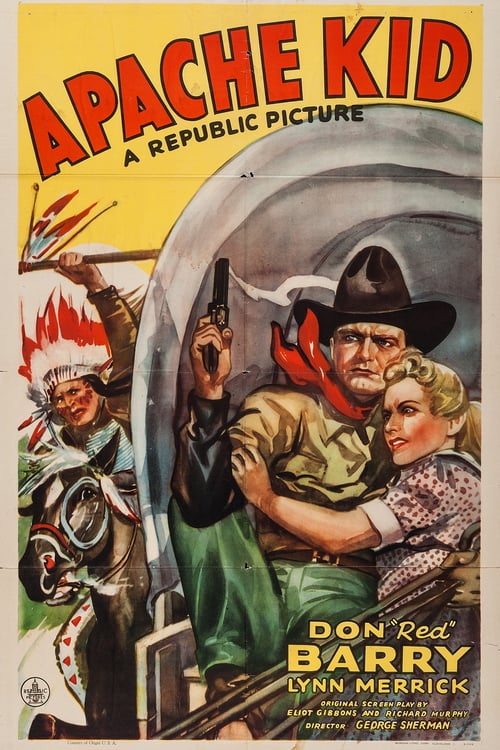
1941
1927
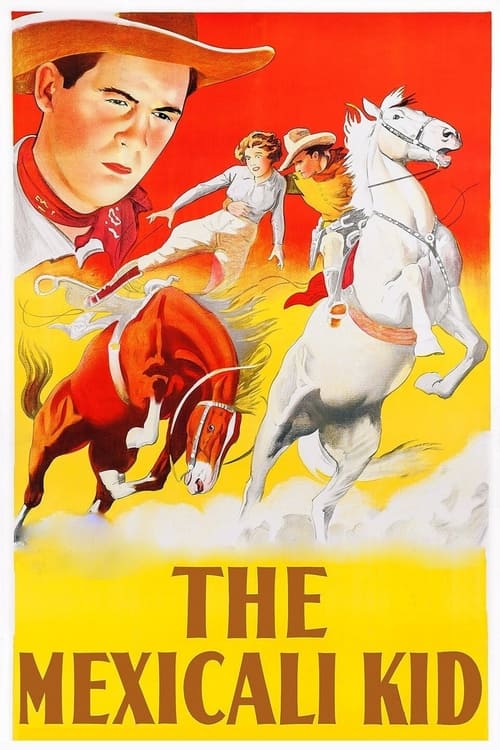
1938
1942
1930
1948

1928
1950
1950
1932
1929
No reviews yet. Be the first to share your thoughts on this movie!
Use the rating form above to leave a star rating and optional review.