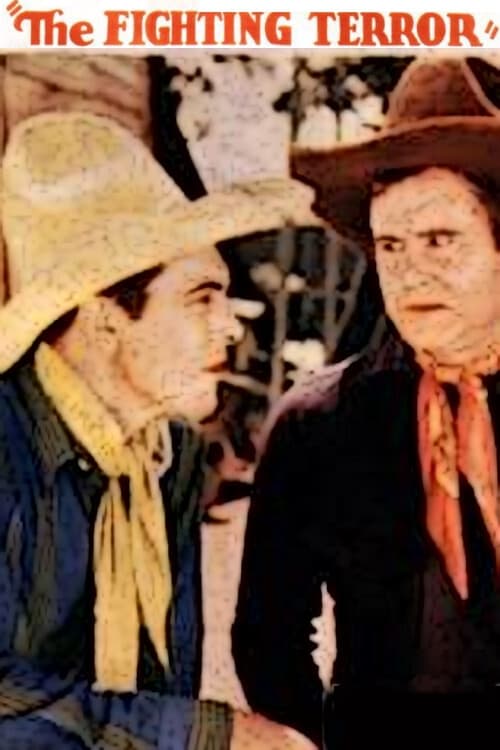
The Fighting Terror
1929
No user ratings available yet
Diversity score: 2.9 out of 10

1929
PassedDirector
J.P. McGowan
Runtime
48 minutes
Average Rating
No ratings yetSynopsis
Story of a cowboy tracking down his father's killer
Overall Score
Limited
Category Breakdown
LGBTQ+ Representation
The film lacks any evidence of LGBTQ+ characters or non-heteronormative narratives. It adheres to the traditional romantic and familial structures common to 1929 Westerns.
Gender Representation
Agency is centered on a male protagonist driven by a personal vendetta. The narrative reinforces traditional hierarchies where masculine strength and vengeance propel the plot.
Racial & Ethnic Diversity
The story likely centers on Anglo-Saxon protagonists, reflecting the homogeneous depictions of the American frontier typical of early Hollywood. No diverse casting is documented.
Religious & Cultural Diversity
The film upholds the frontier mythos and traditional Western morality. It emphasizes clear distinctions between law and criminality rather than critiquing Western institutions.
Disability Representation
There is no documented evidence regarding the inclusion of characters with visible or invisible disabilities in this production.
Strengths
Areas for Improvement
AI Analysis
The Cowboy and the Outlaw is a standard genre piece that follows the established social and narrative norms of the late silent film era. It functions as a linear tale of justice and frontier morality, typical of J.P. McGowan's action-oriented work. The film lacks the structural complexity or intentionality needed to disrupt conventional tropes. Instead, it provides a representation of the Western mythos prevalent in early 20th-century American cinema, focusing on a male-driven vendetta. Because the narrative relies on traditional hierarchies and homogeneous casting, it offers very little in the way of diverse perspectives or social subversion.
1929
1927
1936
1935
1934
1945
1919
1941
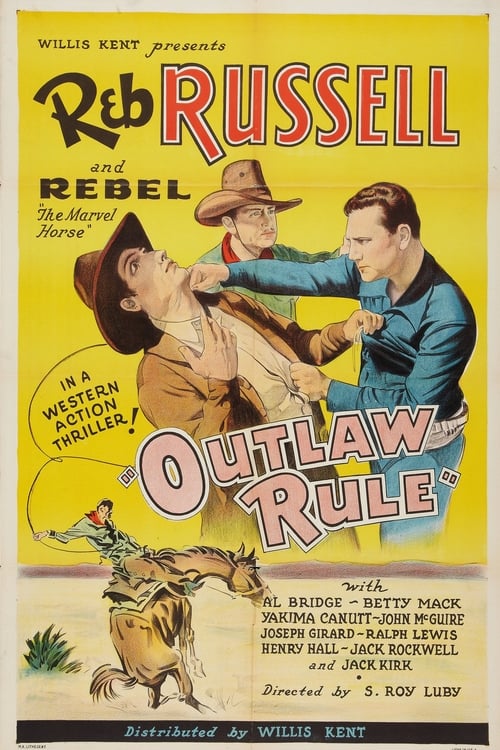
1935
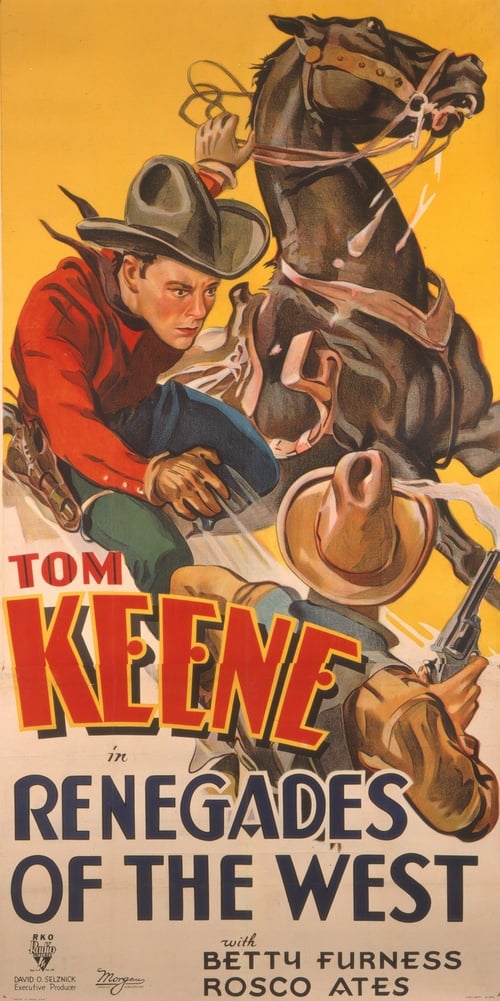
1932
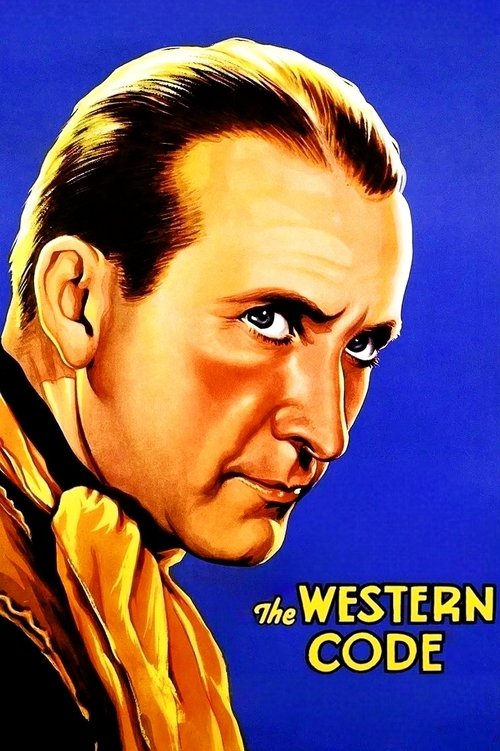
1932
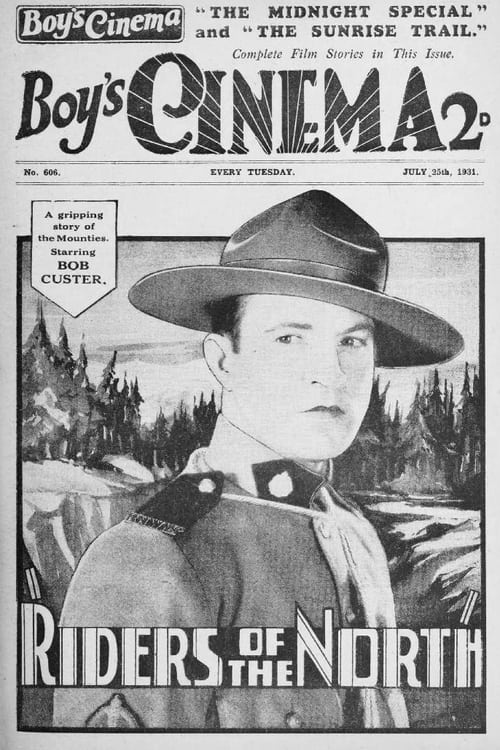
1931
No reviews yet. Be the first to share your thoughts on this movie!
Use the rating form above to leave a star rating and optional review.