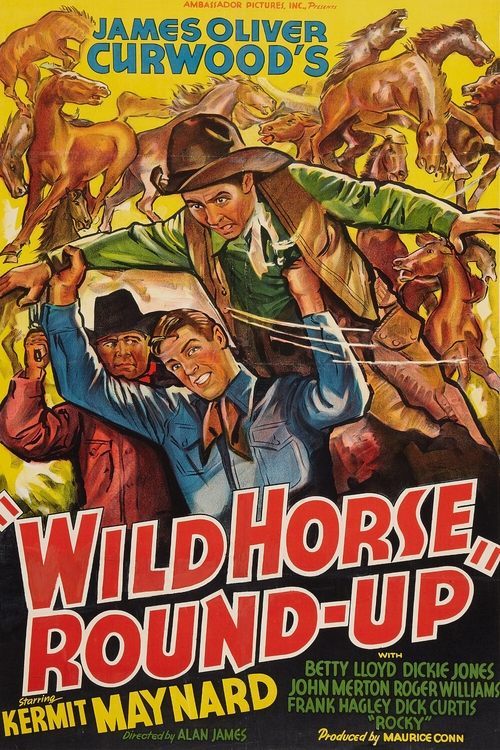
Wild Horse Round-Up
1936
No user ratings available yet
Representation score: 1.3 out of 10
Representation Score
Minimal
1930
PassedDirector
Alan James
Runtime
63 minutes
Average Rating
No ratings yetNew Showbiz Analysis
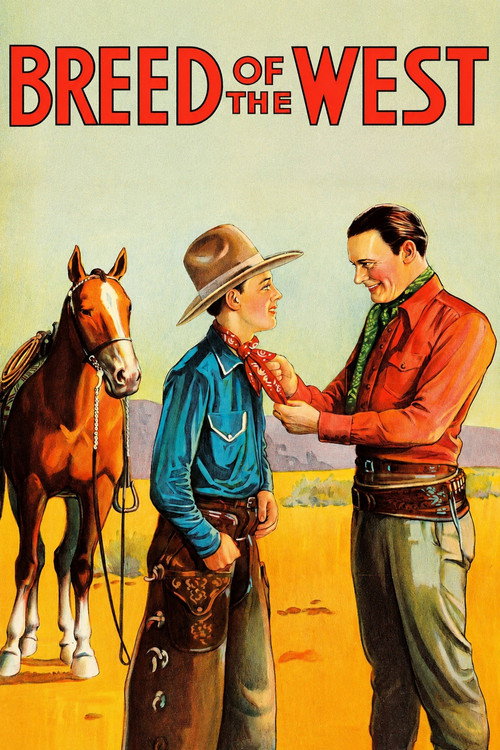
Breed of the West is a typical Western film that adheres closely to the traditional constraints of early 1930s cinema. The narrative structure emphasizes established frontier myths and conventional power hierarchies. Conflicts arise from male-dominated dynamics, particularly a feud between a ranch foreman and his workers. The story revolves around betrayal and retribution within a rigid social structure, failing to challenge the era’s usual clichés. Ultimately, the film serves as a typical production of its time, reinforcing existing social norms rather than questioning them through diverse perspectives or multi-layered storytelling.
Category Breakdown
The film does not include any LGBTQ+ characters or narratives that go beyond the assumption that everyone is straight or cisgender. It centers on traditional Western themes and conflicts.
Men play the primary roles in the film, including the Colonel, Longrope, Jim, and Wally. Women do not have roles that emphasize intellect or physical strength.
The story revolves around traditional Western frontier figures. There are no characters from non-Anglo-Saxon backgrounds, indicating a homogeneous cast typical of the time.
Themes focus on ranch ownership, feuds, and protecting property. The plot supports conventional moral frameworks and social hierarchies.
The film does not provide any information about characters with visible or invisible disabilities.
Present on Screen
Limited or Absent
Official Synopsis
There is a feud on the Colonel's ranch between his foreman Longrope and some of the hands. The Colonel is firing those that don't get along with Longrope and it looks like Wally will be next. But things change when Jim overhears Longrope's plan to rob the Colonel. Longrope shoots Jim and this sends Wally into action.
1936
1933
1930
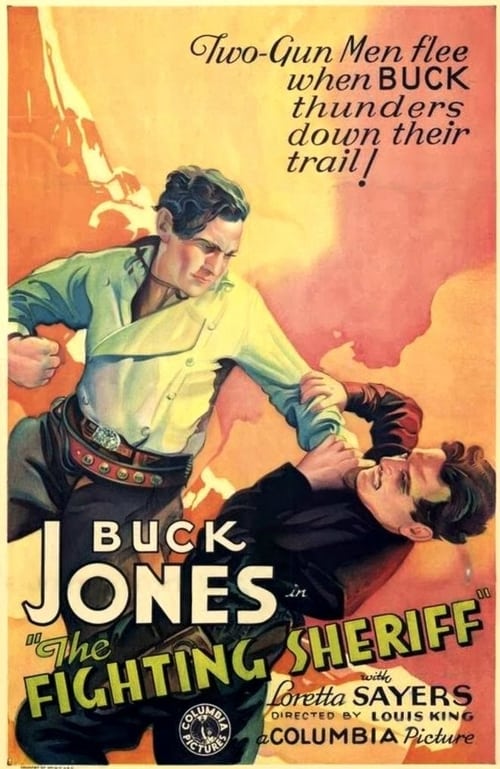
1931
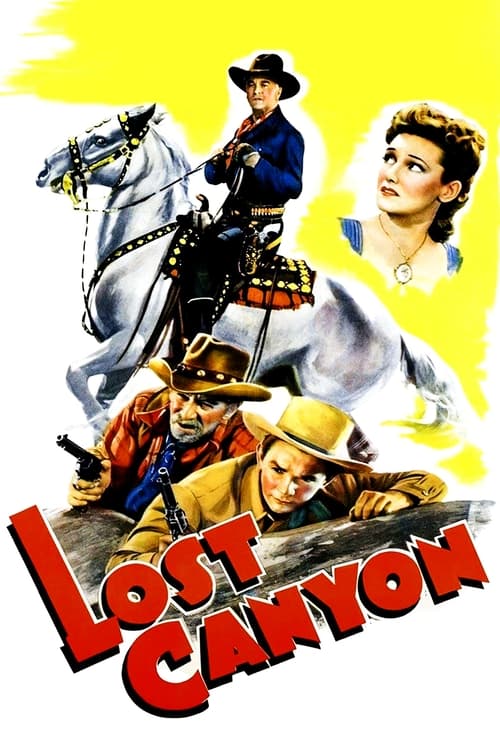
1942
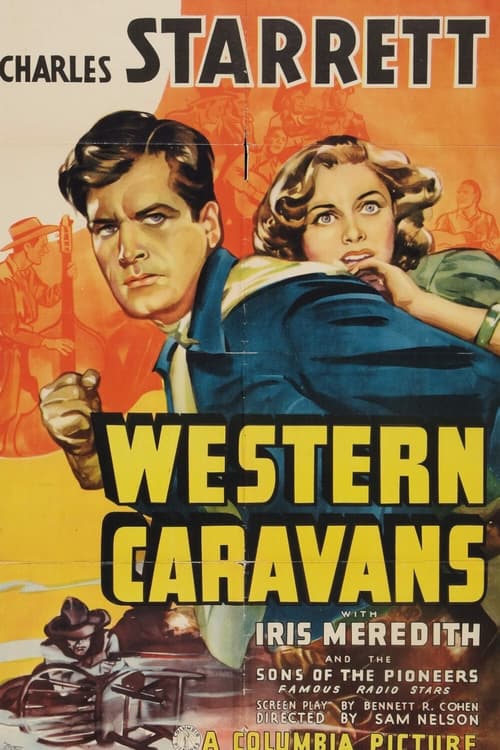
1939
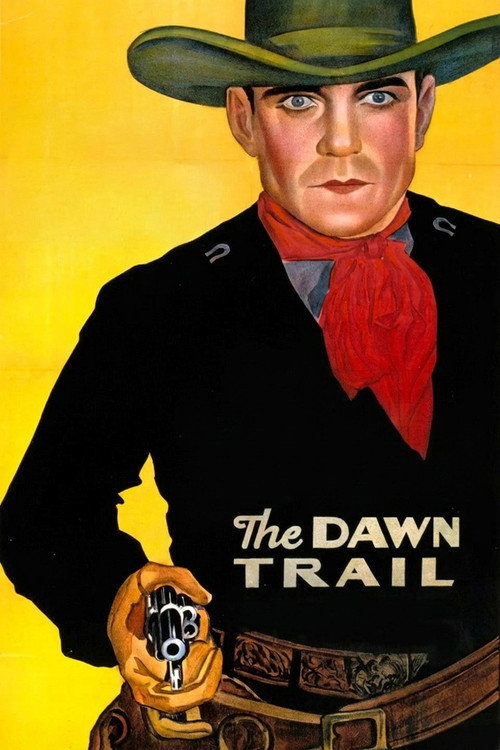
1930
1937
No reviews yet. Be the first to share your thoughts on this movie!
Use the rating form above to leave a star rating and optional review.