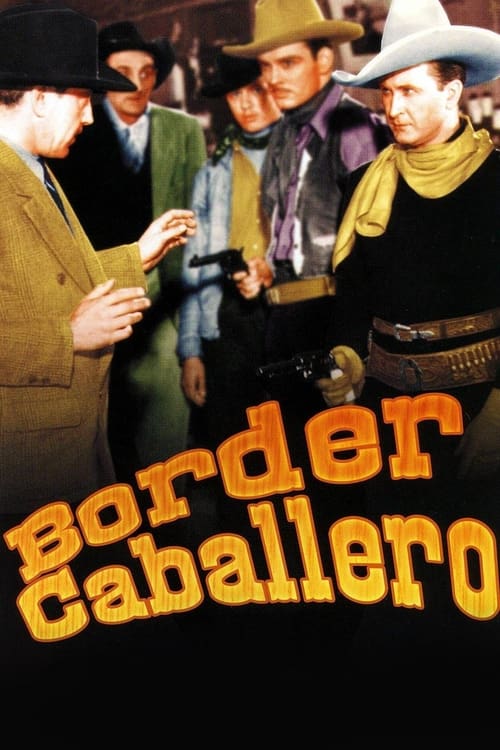
Border Caballero
1936
No user ratings available yet
Representation score: 0.6 out of 10
Representation Score
Minimal
1932
PassedDirector
Edward Laemmle
Runtime
60 minutes
Average Rating
No ratings yetNew Showbiz Analysis
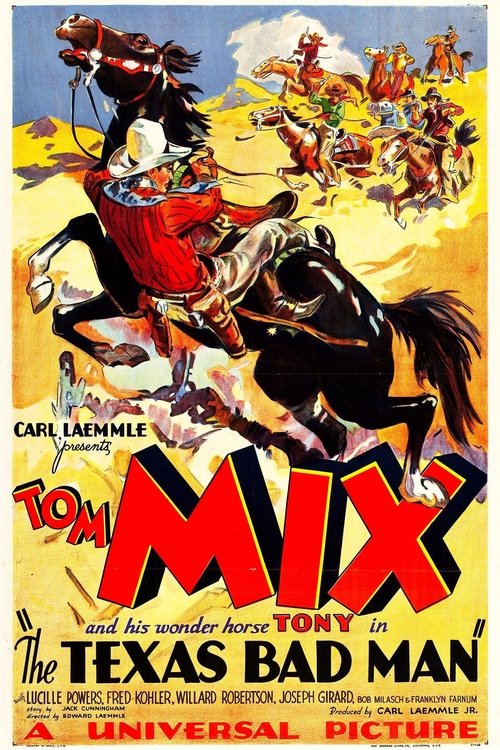
The Texas Bad Man is a standard genre piece that adheres to the studio system conventions of the early 1930s. The narrative structure relies heavily on traditional Western clichés, focusing on male-driven conflict and established social hierarchies. Because the film centers on masculine archetypes of leadership and betrayal, it lacks the intentionality needed to disrupt conventional expectations. The story remains rooted in the patriarchal and Anglo-centric norms of its era. Ultimately, the film functions as a conventional period piece without meaningful representation of diverse identities or critiques of Western institutions.
Category Breakdown
The film does not include any characters with non-straight or non-cisgender identities. It follows a traditional structure that assumes everyone is straight and cisgender.
The story centers around a male-dominated world of law enforcement and outlaws. It focuses on masculine roles of betrayal and violent competition within a patriarchal society.
The narrative reflects the homogeneous casting standards of 1930s Hollywood. It emphasizes Anglo-centric themes common to the Western genre of this period.
The plot operates within a traditional Western framework of frontier justice. It focuses on the conflict between legal authority and criminal enterprises.
There is no information regarding the inclusion or portrayal of characters with physical or neurodivergent disabilities.
Present on Screen
Limited or Absent
Official Synopsis
The Rangers have planted wanted posters of their man Tom Logan around hoping he can join the outlaw gang they are after. Robbing the stage ahead of the gang gets him in and he learns Keefe is the boss. When it's time for the big bank robbery Keefe puts Tom in charge but secretly tells a henchman to kill him during the holdup.
1936

1939
1931
1943
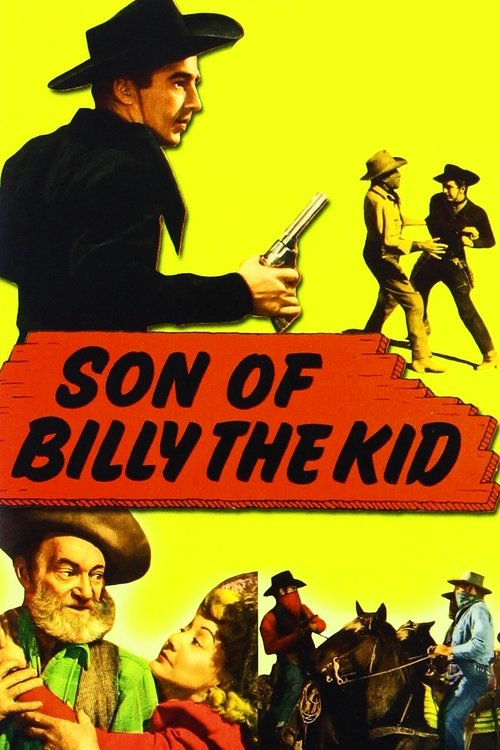
1949
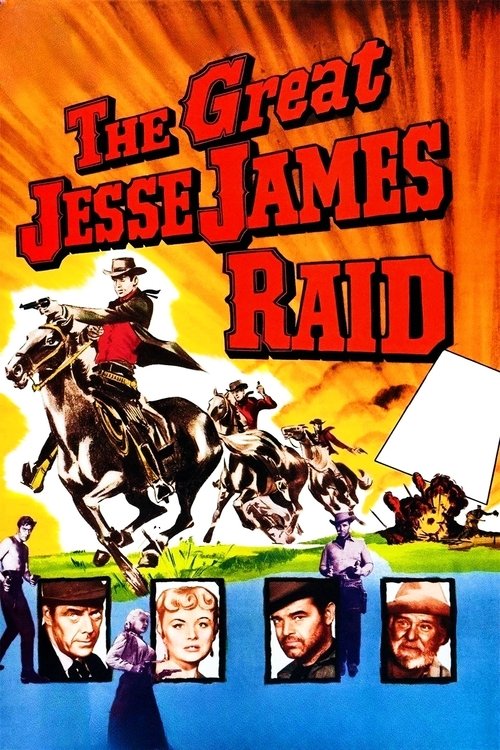
1953
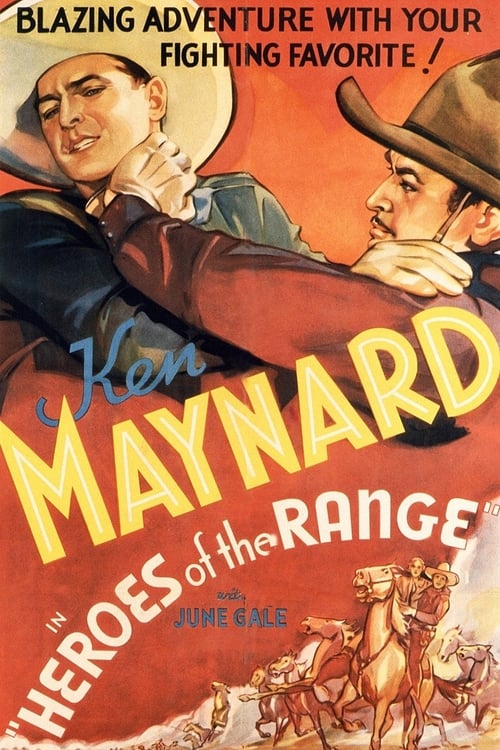
1936
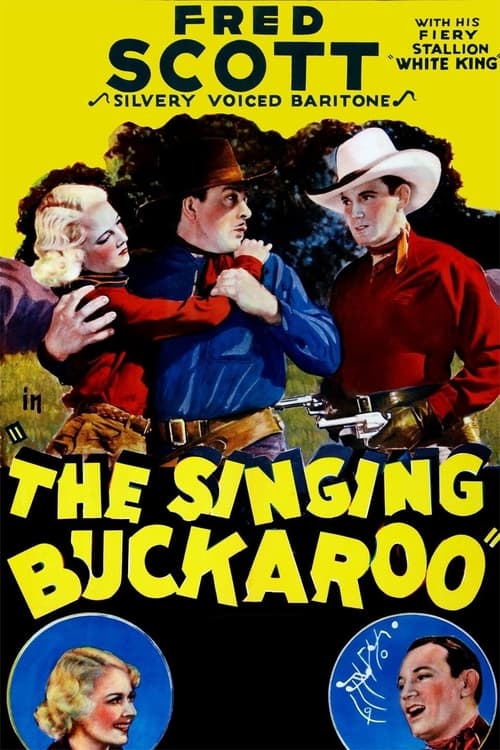
1937
No reviews yet. Be the first to share your thoughts on this movie!
Use the rating form above to leave a star rating and optional review.