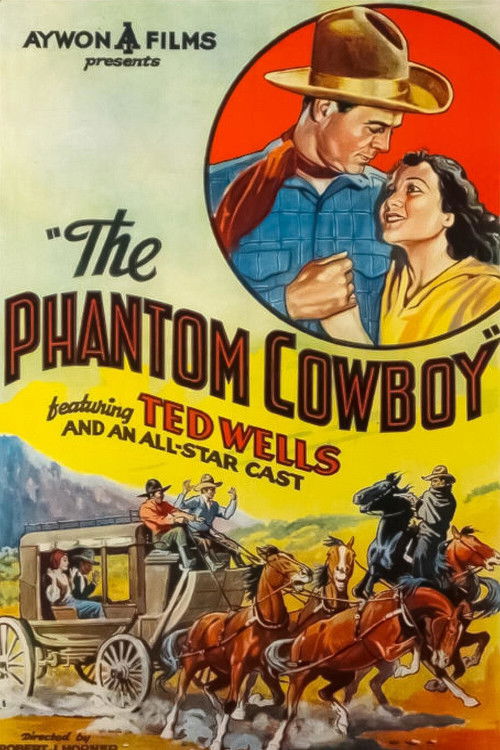
The Phantom Cowboy
1935
No user ratings available yet
Diversity score: 2.7 out of 10
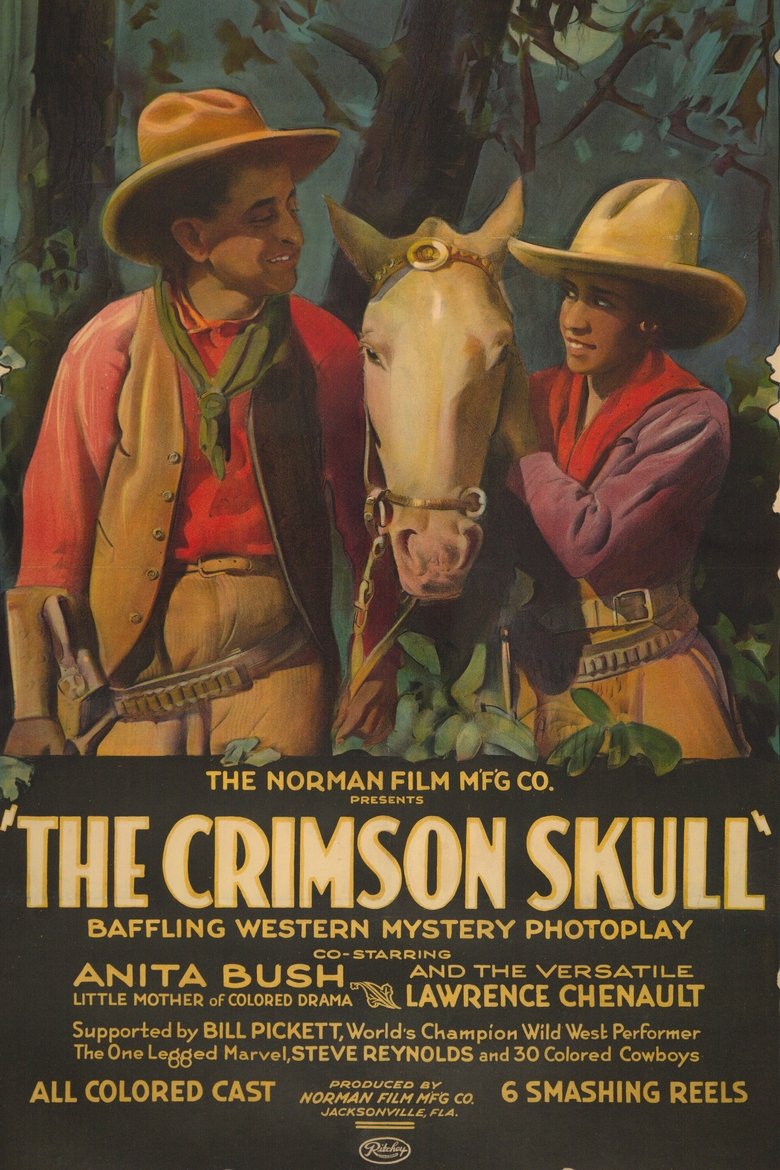
1922
PassedDirector
Richard E. Norman
Average Rating
No ratings yetSynopsis
To rid the range of a gang of outlaws that are rustling cattle and robbing the banks and stagecoaches, cowhand Bob Calem, working on the gang-leader's superstitions, dons a skeleton-costume to strike fear into the gang.
Overall Score
Limited
Category Breakdown
LGBTQ+ Representation
The film operates within a standard heteronormative framework. There is no evidence of same-sex intimacy or non-cisnormative identities.
Gender Representation
The plot centers on Bob Calem, a male cowhand who drives the narrative through masculine agency. Female characters lack significant agency or presence.
Racial & Ethnic Diversity
The story focuses on themes typically associated with white frontier archetypes. There is no evidence of non-Anglo-Saxon characters or diverse casting.
Religious & Cultural Diversity
The narrative reinforces traditional justice and property rights. It follows a classic morality structure without critiquing Western institutions or social norms.
Disability Representation
There is no information regarding the portrayal of characters with physical or neurodivergent disabilities.
Strengths
Areas for Improvement
AI Analysis
The Crimson Skull is a conventional silent-era Western that adheres strictly to the genre tropes of 1922. The narrative is built around a singular masculine hero, Bob Calem, who uses a skeleton costume to combat outlaws. This focus on individual heroism reinforces traditional frontier archetypes. Representation is limited by the era's cinematic standards. The film lacks intersectional depth, focusing instead on a clear moral dichotomy between the law-abiding protagonist and criminals. There is no evidence of diverse racial, gender, or LGBTQ+ perspectives. Ultimately, the film serves as a period-typical example of Western storytelling. It prioritizes action and traditional social hierarchies over complex character development or social subversion.
1935
1932
1944
1948
1932
1942
1931
1945

1930
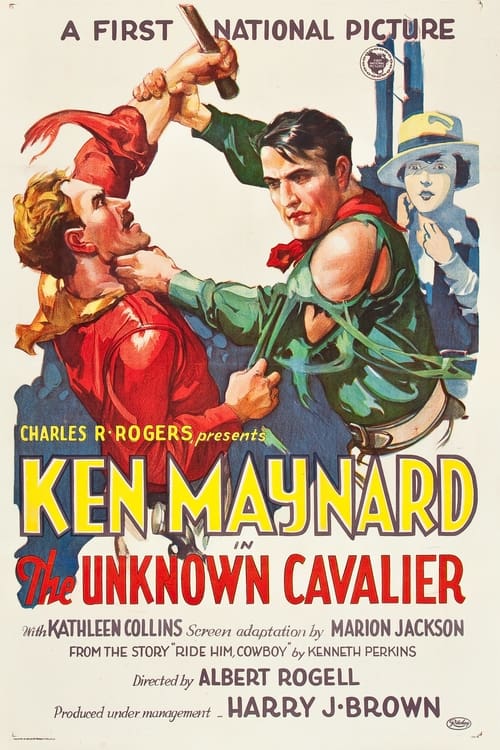
1926
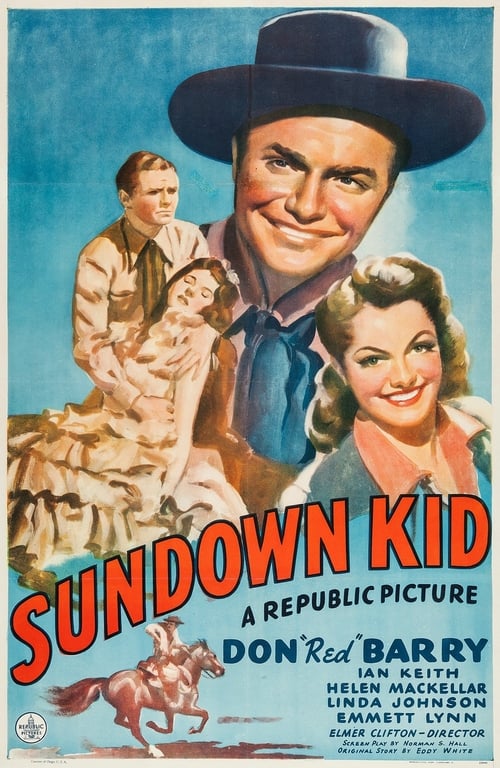
1942
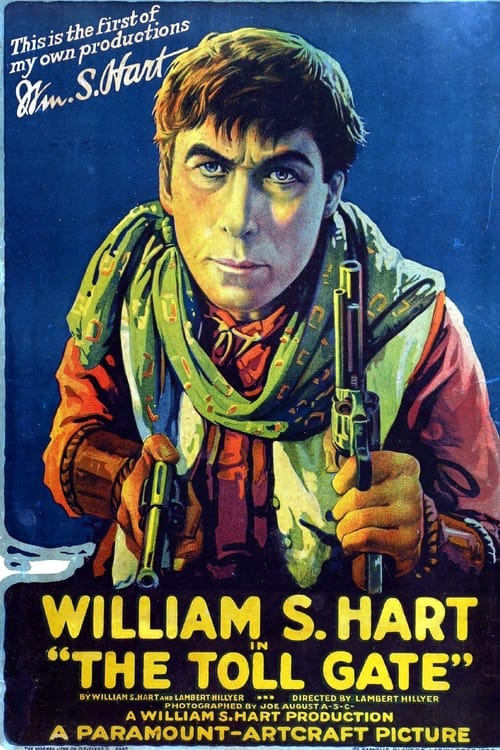
1920
No reviews yet. Be the first to share your thoughts on this movie!
Use the rating form above to leave a star rating and optional review.