At Gunpoint
1955
No user ratings available yet
Representation score: 1.8 out of 10
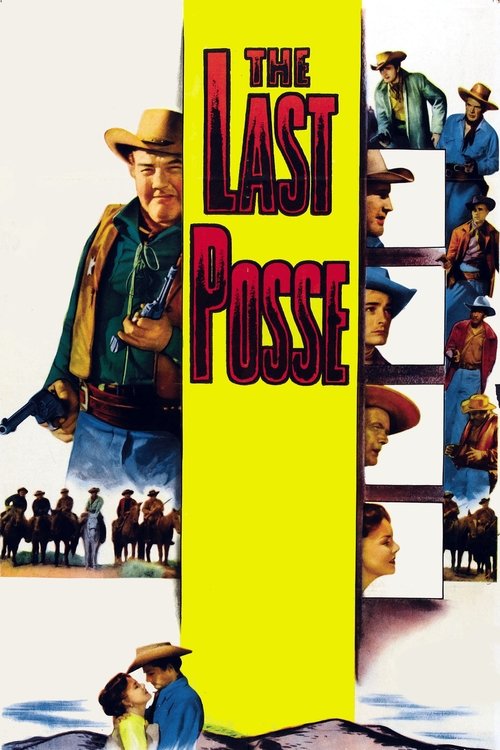
Representation Score
Minimal
1953
NRDirector
Alfred L. Werker
Runtime
73 minutes
Average Rating
No ratings yetNew Showbiz Analysis
The Last Posse is a conventional mid-century Western that operates within the traditional social and narrative frameworks of its era. It prioritizes established genre clichés over a multi-layered approach, reinforcing existing hierarchies of gender, race, and authority. The film serves as a standard example of 1950s genre filmmaking, focusing on the pursuit of justice through male-dominated structures. It lacks the narrative subversion required to challenge the status quo of the frontier setting. Ultimately, the production adheres to the casting and storytelling conventions of its time, offering a homogeneous view of the American West.
Category Breakdown
The film does not include any LGBTQ+ characters or narratives. It follows the assumption that everyone is straight or cisgender, which is typical of 1950s Westerns.
The story centers almost entirely on male protagonists and law enforcement. It reinforces traditional gender hierarchies without showing women taking control or challenging their roles.
The film lacks significant racial diversity, featuring a homogeneous cast of white actors. There are no characters of color who play a significant role in driving the story.
The story emphasizes traditional Western values and the importance of the sheriff as a stabilizing force. It presents a conventional genre piece focused on frontier law.
There is no evidence of the portrayal of physical or neurodivergent disabilities within the film's narrative.
Present on Screen
Limited or Absent
Official Synopsis
A posse's pursuit of bank robbers ends with loot missing and a sheriff (Broderick Crawford) wounded.
1955
1953

1935

1953
1943
1951
1943
1958
No reviews yet. Be the first to share your thoughts on this movie!
Use the rating form above to leave a star rating and optional review.