Arizona Cyclone
1934
No user ratings available yet
Representation score: 0.3 out of 10
Representation Score
Minimal
1934
PassedDirector
Robert J. Horner
Runtime
45 minutes
Average Rating
No ratings yetNew Showbiz Analysis
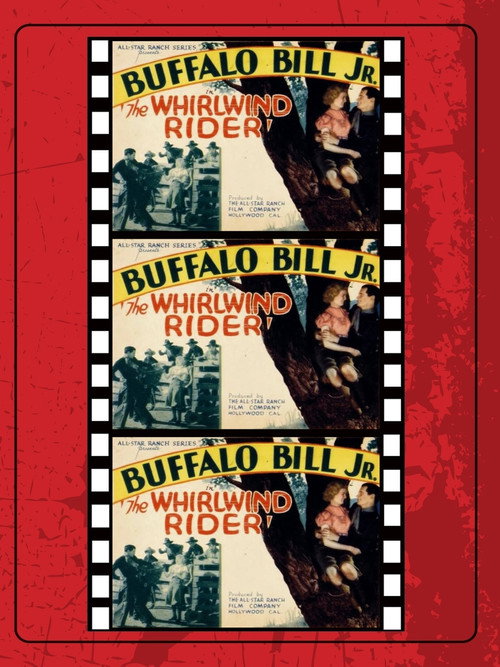
The Whirlwind Rider is a conventional 1934 Western that operates strictly within the social hierarchies of its time. The plot centers around a cowboy protecting a rancher's daughter from loan sharks, emphasizing traditional gender roles and property rights. Representation is limited, as the film lacks LGBTQ+ identities and appears to feature a homogeneous cast. The narrative reinforces established social orders rather than challenging them, focusing on individual justice and the defense of the family unit. Ultimately, the film serves as a standard genre piece that lacks multi-layered complexity or systemic critique.
Category Breakdown
The film does not include any LGBTQ+ characters or narratives that go beyond the assumption that everyone is straight or cisgender.
The story follows a traditional setup where the female lead provides the motivation, but a male cowboy supplies the physical action. This reinforces a dynamic where women depend on men for resolution.
The film reflects the era's standard lack of racial diversity, likely featuring a homogeneous white cast typical of 1930s Westerns.
The story emphasizes traditional Western values such as property rights and the sanctity of the family unit. It upholds these values without offering any social critique.
There is no mention of characters with visible or invisible disabilities in the narrative.
Present on Screen
Limited or Absent
Official Synopsis
A cowboy helps a murdered rancher's daughter protect her ranch from the gang of loan sharks that murdered her father.
1934
1934
1932
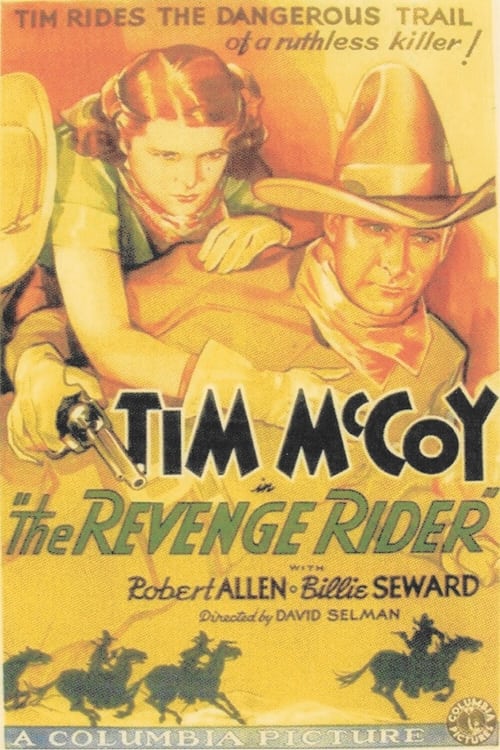
1935
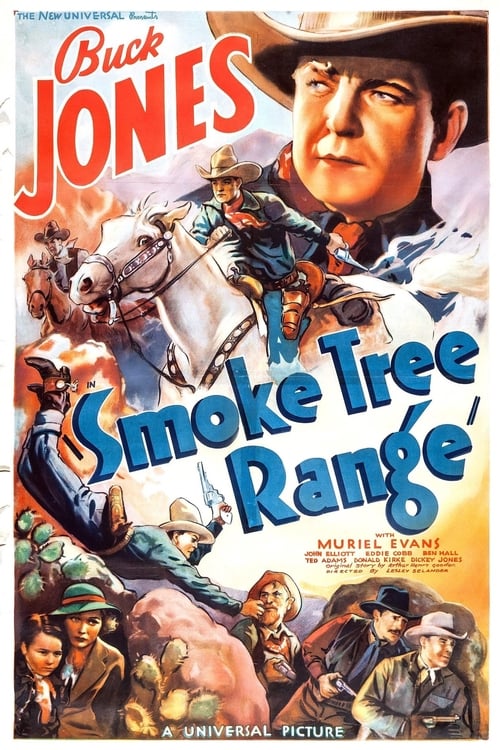
1937
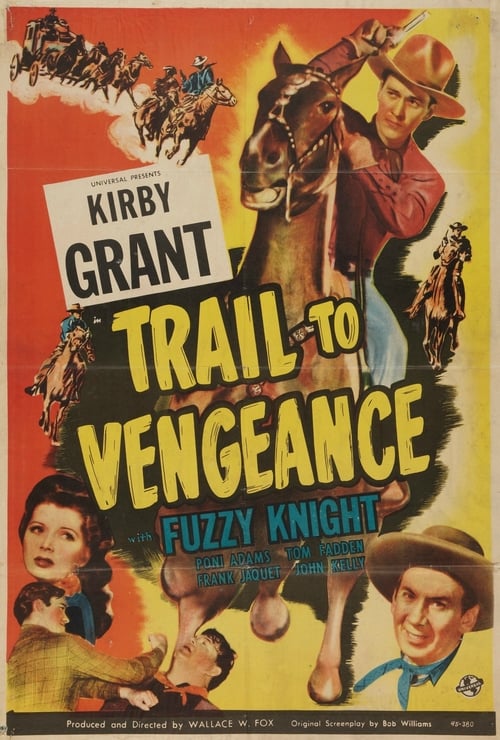
1945
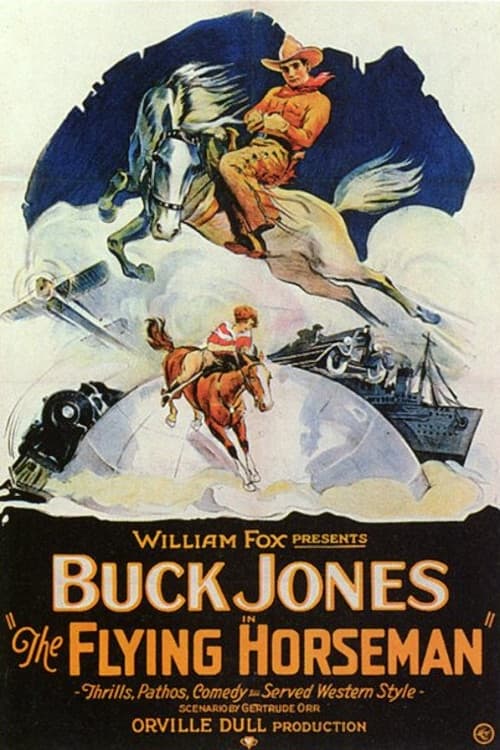
1926
1935
No reviews yet. Be the first to share your thoughts on this movie!
Use the rating form above to leave a star rating and optional review.