
Texas Wildcats
1939
No user ratings available yet
Representation score: 0.6 out of 10
Representation Score
Minimal
1941
PassedDirector
George Sherman
Runtime
56 minutes
Average Rating
No ratings yetNew Showbiz Analysis
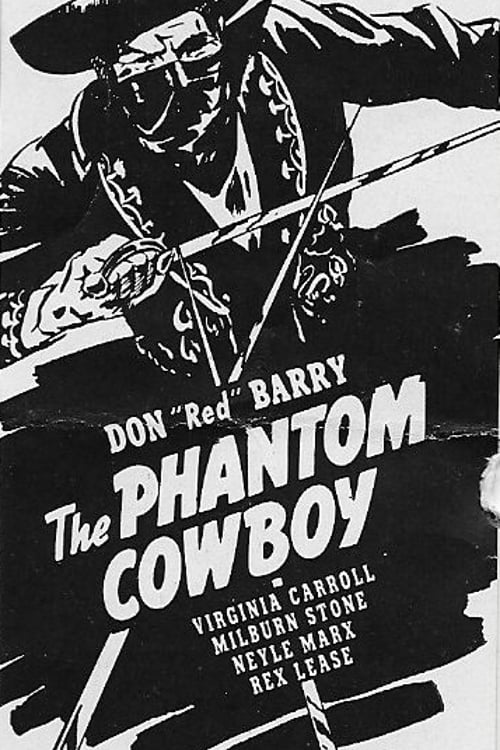
The Phantom Cowboy is a traditional B-Western that focuses on genre clichés rather than social deconstruction. Its structure reinforces the social and gender hierarchies of the 1940s, emphasizing male-led justice and land disputes. While Miguel's character as El Lobo provides some ability to act for a character of color, the film generally adheres to the era's standard approach to ethnic representation. It upholds rather than challenges traditional Western archetypes. Overall, the film lacks the intentionality needed to address multi-layered complexities or subvert traditional Western narratives.
Category Breakdown
The film does not include any LGBTQ+ characters or identities that challenge traditional norms. It operates within conventional social structures without any queer undertones.
The story emphasizes traditional gender hierarchies through male-centric conflicts. Female characters play minor roles, serving as support rather than leading the main storyline.
Miguel, as El Lobo, offers a bit of ability to act for a character of color. However, the representation of characters of color is tied to the period's conventions, primarily used to advance the plot.
The film follows typical Western genre conventions and frontier laws. It does not critique Western institutions or offer significant moral relativism.
There are no characters with visible or invisible disabilities in the film. Disability is not used as a narrative device or plot point.
Present on Screen
Limited or Absent
Official Synopsis
Stan Borden with the help of the stooge Sheriff is out to get the Toreno ranch. Kicking the peons off the ranch, they kill Miguel's father. Miguel then becomes the masked El Lobo and when Jim Lawrence arrives, the two team up to fight Borden and the Sheriff.
1939
1948

1940
1938
1936
1939
1952
1932
No reviews yet. Be the first to share your thoughts on this movie!
Use the rating form above to leave a star rating and optional review.