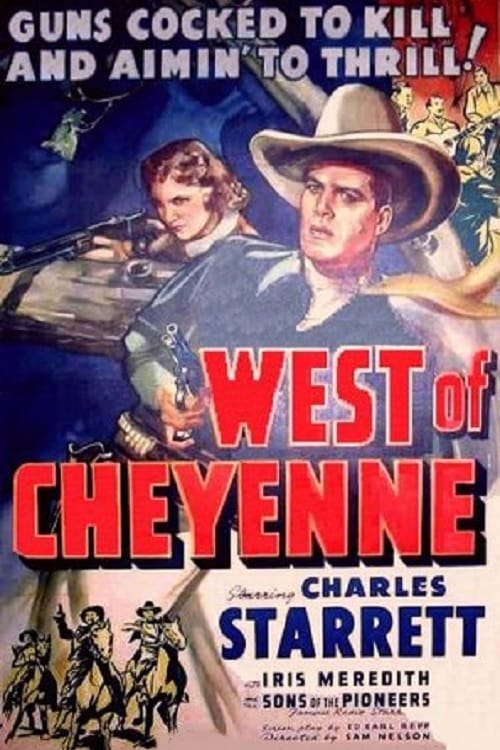
West of Cheyenne
1938
No user ratings available yet
Representation score: 1.1 out of 10
Representation Score
Minimal
1918
PassedDirector
John Ford
Runtime
50 minutes
Average Rating
No ratings yetNew Showbiz Analysis
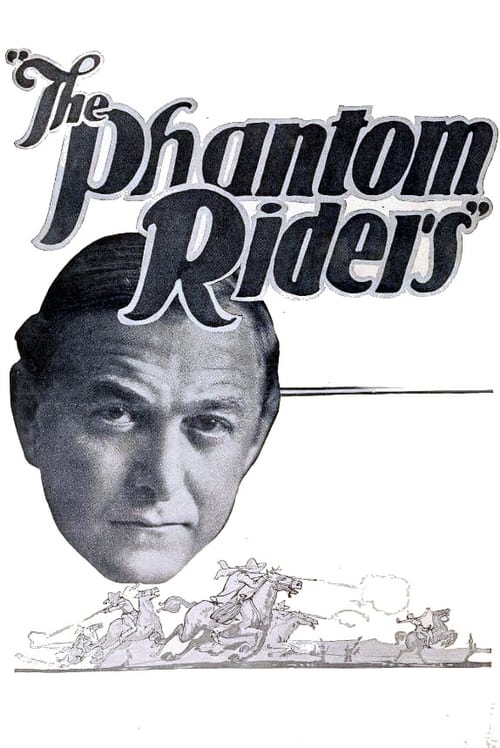
The Phantom Riders is a product of its era, functioning as a standard Western that prioritizes genre conventions over social complexity. The narrative is driven by masculine competition and property disputes, offering little room for diverse perspectives. Representation is minimal, with the story revolving around male-centric conflicts between cattle rustlers and ranchers. While the name Cheyenne Harry hints at ethnic themes, the film lacks the depth to confirm meaningful racial representation. Ultimately, the film adheres to the narrow social norms of 1918 cinema, focusing on frontier dominance rather than multi-layered character development.
Category Breakdown
The film focuses on a conflict between cattle rustlers and a rancher. There is no evidence of LGBTQ+ identities or same-sex intimacy.
The plot centers entirely on male competition and masculine roles. There is no indication of female characters possessing significant influence or challenging traditional hierarchies.
The character Cheyenne Harry may suggest an ethnic identity, though it remains unclear if this is a stereotype or a nuanced representation. The casting appears likely homogeneous.
The narrative follows traditional Western clichés regarding property and individual honor. It reinforces conventional ideas of frontier justice and survival.
The available information provides no details regarding characters with visible or invisible disabilities.
Present on Screen
Limited or Absent
Official Synopsis
Dave Bland, head of a band of cattle rustlers operating in Paradise Valley, is defied by Cheyenne Harry who has driven his heard into the valley to graze. Bland calls his phantom riders together, routes Harry's cattle, and then seeks their owner intent on taking his life.
1938
1940

1939
1976
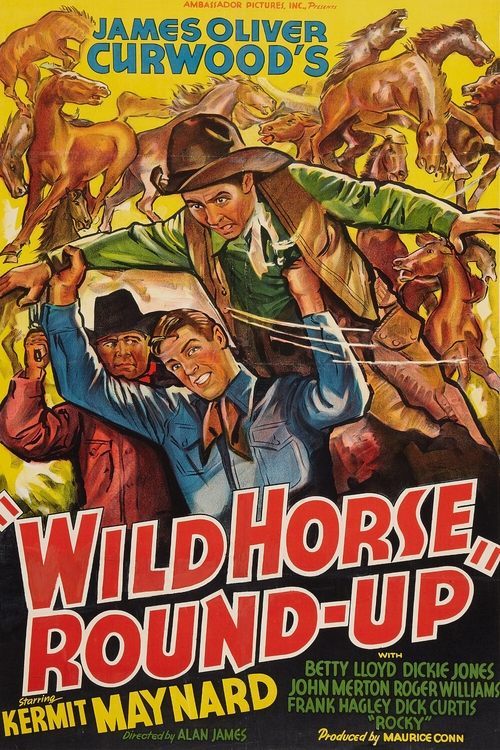
1936
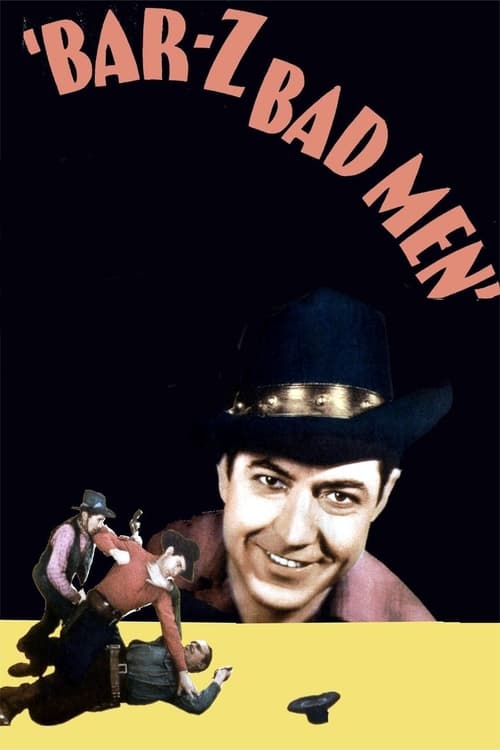
1937
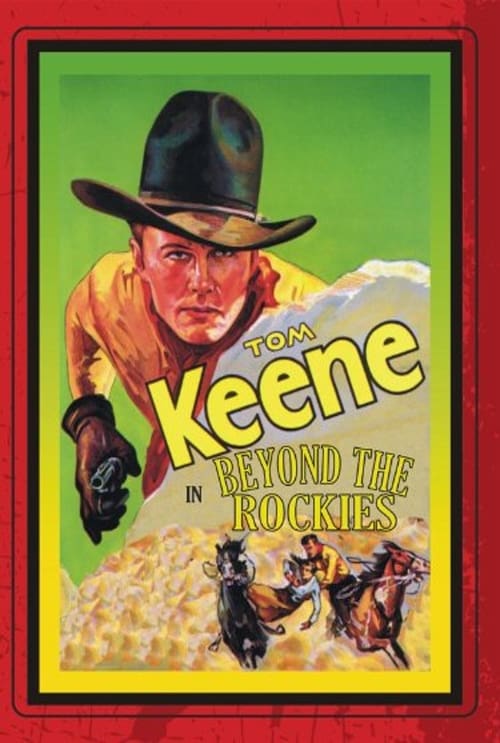
1932
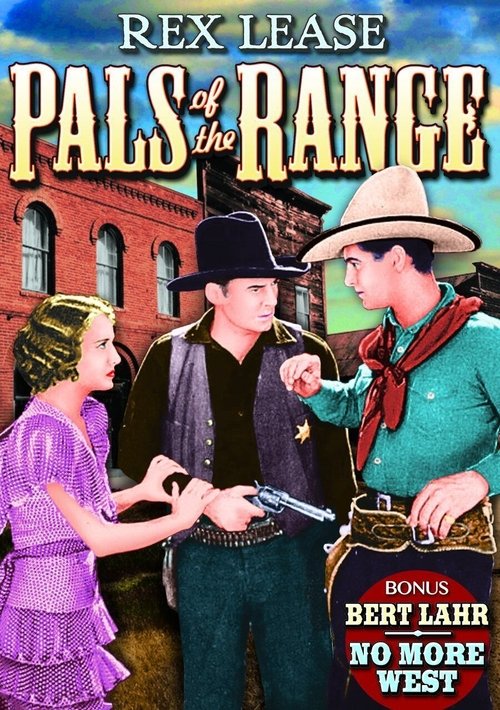
1935
No reviews yet. Be the first to share your thoughts on this movie!
Use the rating form above to leave a star rating and optional review.