
Hidden Gold
1940
No user ratings available yet
Representation score: 1.3 out of 10
Representation Score
Minimal
1939
ApprovedDirector
George Waggner
Runtime
58 minutes
Average Rating
No ratings yetNew Showbiz Analysis
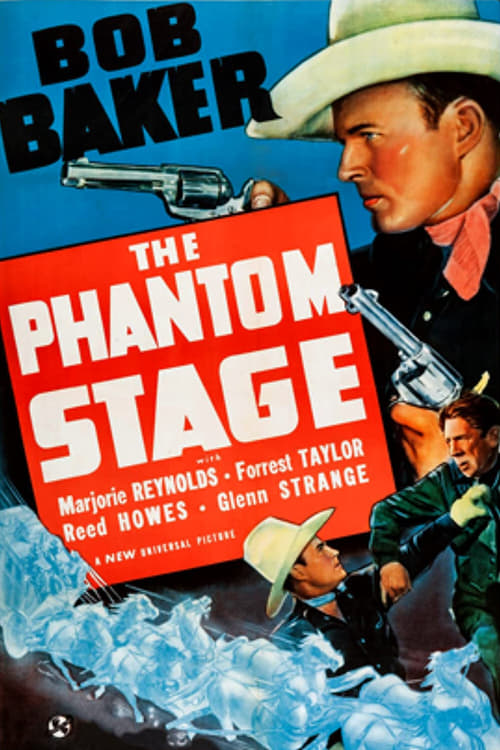
The Phantom Stage is a quintessential 1930s Western that prioritizes traditional genre clichés over social complexity. The narrative architecture reinforces established hierarchies, focusing on a male-centric struggle to protect a commercial stage line from outlaws. Representation is minimal across the board. The film relies on able-bodied, white-centric archetypes common to the era, offering no significant presence of underrepresented identities or non-assuming gender matches what was assigned at birth perspectives. Ultimately, the film serves as a period-typical adventure piece. It functions to uphold the status quo of the Western genre rather than subverting or expanding its cultural boundaries.
Category Breakdown
There are no LGBTQ+ characters or narratives that challenge traditional social norms in the film.
The story focuses on male heroes and physical problem-solving, lacking women's ability to drive the story.
The film likely follows the era's standard racial hierarchies, with no evidence of diverse character's ability to drive the story or non-white protagonists.
The plot emphasizes conventional Western values like law and order, focusing on protecting commercial property.
Characters appear to function within typical able-bodied archetypes, with no indication of characters with visible or invisible disabilities.
Present on Screen
Limited or Absent
Official Synopsis
Bob Carson and sidekick Grizzly take a job driving a stage for a line that is being repeatedly robbed. The culprits place a large box on the stage in which Runt can hide and steal the gold without the driver or guard knowing it. When Bob realizes what is happening, he replaces Runt in the box in hope of catching the outlaws.
1940
1967
1940
1942
1936
1942
1934

1939
No reviews yet. Be the first to share your thoughts on this movie!
Use the rating form above to leave a star rating and optional review.