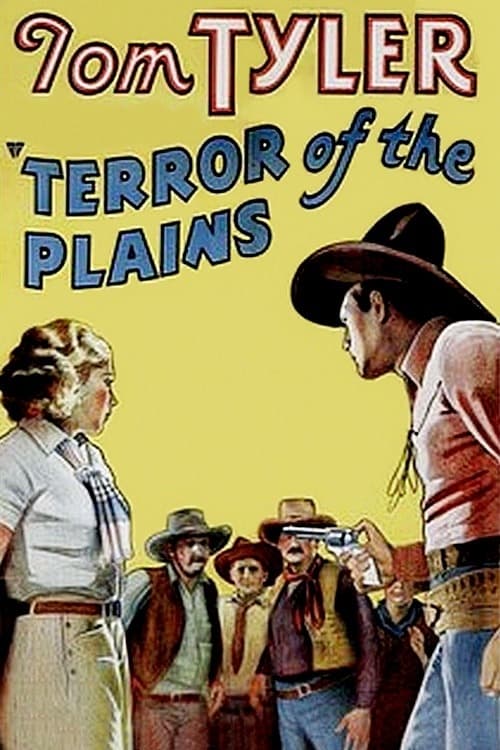
Terror of the Plains
1934
No user ratings available yet
Diversity score: 1.6 out of 10
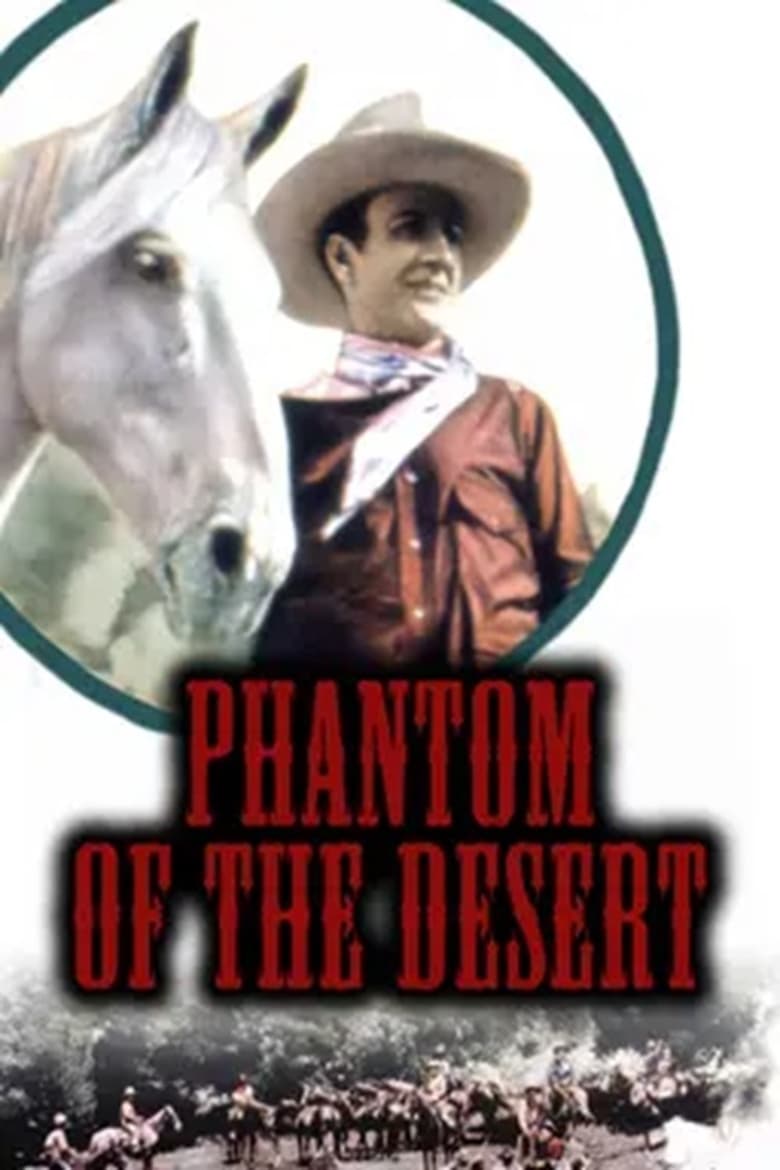
1930
PassedDirector
Harry S. Webb
Runtime
58 minutes
Average Rating
No ratings yetSynopsis
Horses are being stolen by a white stallion known as "The Phantom of the Desert." A cowboy sets out to find who's behind it.
Overall Score
Limited
Category Breakdown
LGBTQ+ Representation
The film lacks any depiction of non-heteronormative identities or same-sex intimacy. The narrative focuses on a traditional horse-theft mystery that provides no framework for queer visibility.
Gender Representation
The story centers on a male cowboy protagonist defined by conventional masculine agency. Female characters are not explicitly detailed, suggesting they likely occupy secondary or passive roles typical of the era.
Racial & Ethnic Diversity
The film follows standard Western archetypes that center on white protagonists and Anglo-centric perspectives. There is no evidence of a diverse cast or non-white characters with significant agency.
Religious & Cultural Diversity
The plot adheres to traditional Western mythos, emphasizing frontier justice and individual heroism. It lacks any critique of Western institutions or alternative cultural perspectives.
Disability Representation
There is no documented evidence regarding the portrayal of physical or neurodivergent disabilities in this production.
Strengths
Areas for Improvement
AI Analysis
Phantom of the Desert is a product of its time, functioning as a standard genre piece that reinforces the social hierarchies of 1930. The narrative relies heavily on established Western tropes, focusing on a singular male hero and a conventional pursuit of justice. The film lacks intentional efforts to introduce intersectional perspectives or challenge systemic structures. Instead, it maintains the homogeneous social order and conservative cinematic standards common to early 20th-century genre filmmaking. Ultimately, the work serves as a baseline example of the era's traditional storytelling, prioritizing masculine agency and Anglo-centric themes over social diversity.
1934

1939
1930
1929
1932
1941
1935
1939
1918
1936
1939
1930
No reviews yet. Be the first to share your thoughts on this movie!
Use the rating form above to leave a star rating and optional review.