
Little Odessa
1994
No user ratings available yet
Representation score: 2.4 out of 10
Representation Score
Fair
2006
RDirector
Dito Montiel
Runtime
104 minutes
Average Rating
No ratings yetNew Showbiz Analysis
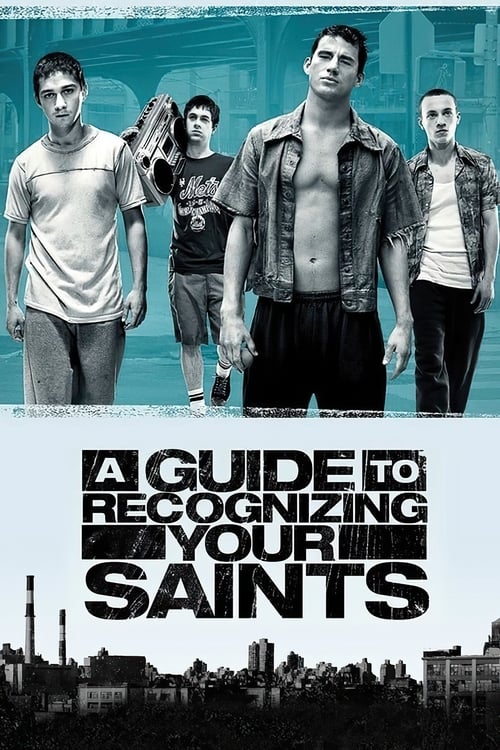
A Guide to Recognizing Your Saints is a localized, gritty study of working-class life in Queens and Hell's Kitchen. It succeeds by providing deep cultural authenticity and a sophisticated critique of how systemic neglect and the AIDS epidemic disrupt social hierarchies. However, the film's focus is narrow. The narrative is heavily male-centric, and the demographic homogeneity of the Italian-American setting limits broader racial and ethnic diversity. Ultimately, the film prioritizes the nuanced exploration of a specific community over a wide range of demographic representation.
Category Breakdown
The film uses the 1980s AIDS crisis to ground its emotional stakes. It treats the epidemic as a systemic force that reshapes the community's social fabric rather than focusing on a single romantic arc.
The story centers on male camaraderie and the pressures of urban masculinity. Female characters, such as the protagonist's mother, primarily act as emotional anchors or catalysts for the men's development.
Set in a specific Italian-American enclave in Hell's Kitchen, the film offers deep cultural specificity. However, the cast and setting remain demographically homogeneous, limiting representation of different racial backgrounds.
The narrative deconstructs traditional morality by blurring the lines between saints and sinners. It critiques 1980s socioeconomic structures through the lens of communal loyalty and systemic neglect.
There is no visible or invisible disability representation present in the narrative.
Present on Screen
Limited or Absent
Official Synopsis
Dito Montiel, a successful author, receives a call from his long-suffering mother, asking him to return home and visit his ailing father. Dito recalls his childhood growing up in a violent neighborhood in Queens, N.Y., with friends Antonio, Giuseppe, Nerf and Mike.
1994
1937
2011
2002

2008
1990

2010

2001
No reviews yet. Be the first to share your thoughts on this movie!
Use the rating form above to leave a star rating and optional review.