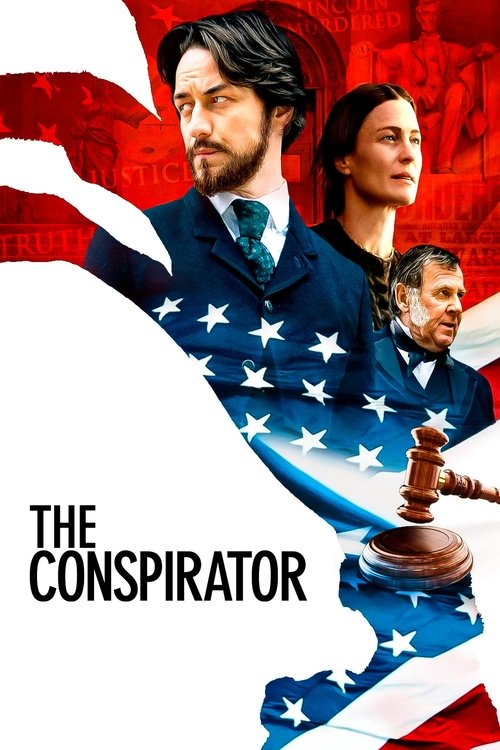
The Conspirator
2011
No user ratings available yet
Representation score: 3.9 out of 10

Representation Score
Fair
2011
RDirector
Clint Eastwood
Runtime
137 minutes
Average Rating
No ratings yetNew Showbiz Analysis
Clint Eastwood’s biographical study shifts away from traditional hagiography to explore the tension between individual identity and state power. It provides a sophisticated look at institutional authority, especially through its nuanced handling of the Hoover-Tolson relationship and the critique of surveillance. However, the film remains anchored in mid-century gender hierarchies, focusing largely on masculine spheres of dominance and relegating female characters to supporting roles. Ultimately, the film’s strength lies in its complex moral landscape, transforming a character study into a critique of how power affects civil liberties.
Category Breakdown
The film delves into the queer relationship between J. Edgar Hoover and his lifelong partner, Clyde Tolson, highlighting their intense and unconventional domestic life. Their partnership is portrayed as a central, stabilizing, and secretive part of Hoover's personal world.
The story centers around male-dominated spheres of political and federal authority. Women such as Anna Hoover and Helen Gandy demonstrate competence but are mainly defined by their connections to Hoover's power.
The film showcases diversity through its portrayal of FBI targets, including Civil Rights activists and minority-led movements. These depictions serve to criticize state-sponsored monitoring and institutional power.
The film critiques traditional Western institutions by showing federal authority as a tool of surveillance. It emphasizes the tension between national security and the ethical considerations of privacy and political freedom.
The film does not prominently feature characters with physical or neurodivergent disabilities.
Present on Screen
Limited or Absent
Official Synopsis
As the face of law enforcement in the United States for almost 50 years, J. Edgar Hoover was feared and admired, reviled and revered. But behind closed doors, he held secrets that would have destroyed his image, his career, and his life.
2011

2017
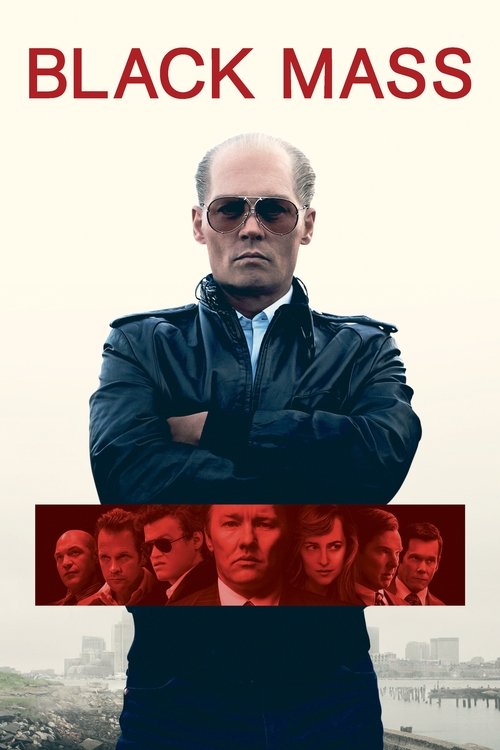
2015

1995
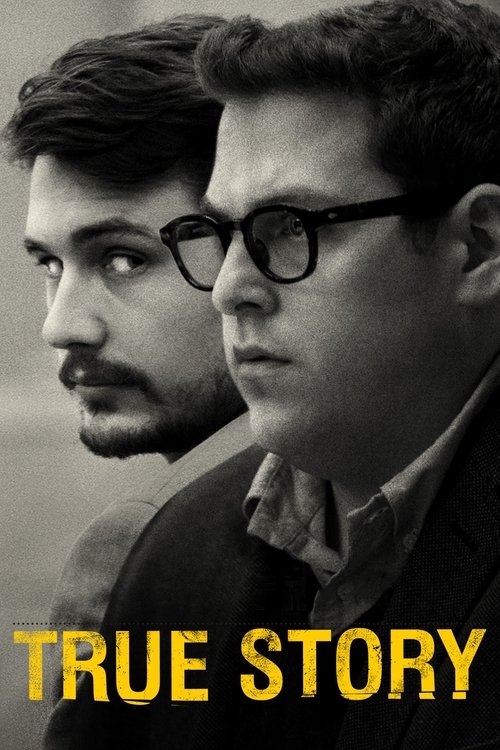
2015
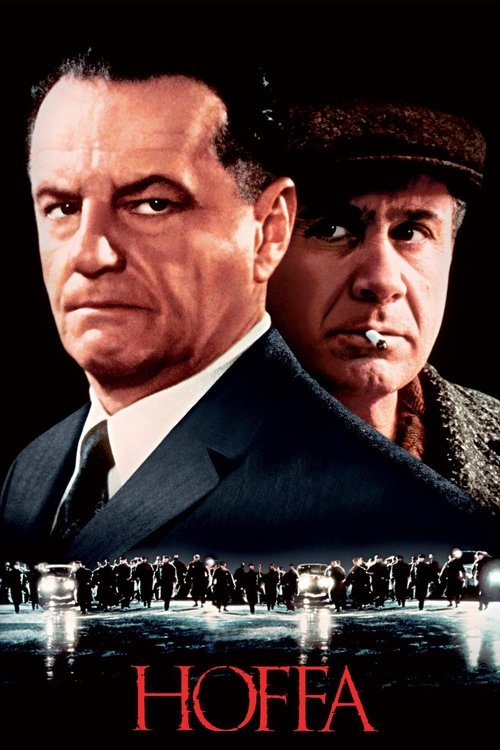
1992
2021
1937
No reviews yet. Be the first to share your thoughts on this movie!
Use the rating form above to leave a star rating and optional review.